400,000 Sudanese children in Egypt face isolation and violence
Lack of residency papers and safe housing leaves a large cohort of war survivors exposed to gangs and substance abuse in Cairo.
By Noor Phillips ·
An estimated 400,000 Sudanese children currently reside in Egypt, where many lack formal residency documents or access to mental healthcare.
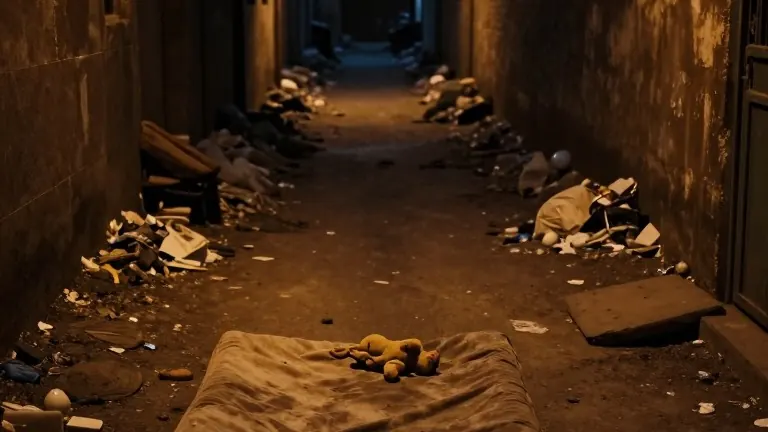
Support workers describe a population deeply affected by the civil war that displaced them. These minors are frequently trapped in neighborhoods characterized by open sewage, piles of refuse, and active drug trade.
The absence of stable housing and schooling has created a fragile environment for these families. Between 50% and 70% of Sudanese child refugees are not enrolled in education. Parents often work ten-hour shifts to cover basic costs, leaving children unattended in unsafe areas during the day and night.
Clinical psychologist Rajia reports that the lack of routine contributes to a pervasive sense of despair among the minors. She observes that children often reenact war scenarios in their drawings, specifically depicting cannons and fighter jets. Rajia notes a rising number of cases where young teenagers engage in self-harm or attempt suicide. One adolescent recently told his family he wanted to see the world beyond his window before ending his life.
Social worker Tala, who uses a pseudonym for privacy, treats children with severe trauma. She worked for several months with an eight-year-old boy who was suicidal after his father died in Sudan. The child repeatedly told his mother he wished to join his father in death. Tala helped the boy return to school and manage his emotional responses over that period.
Daily life is complicated by the fear of deportation. Egyptian police conduct regular raids on homes and businesses to identify refugees. One mother recounted that her 14-year-old son was detained for over two months before being sent back to Sudan without an adult escort.
Economic pressure forces many children into labor. Aids workers report that children as young as 11 work in farms and factories, where they face physical and sexual abuse. Some are lured into situations of sexual exploitation by promises of money or mobile phones. Doctor Adam treats numerous teenage patients who arrive with severe injuries from fights or self-inflicted harm, often linked to substance abuse.
Miriam, a mother of five, described the physical risks her children face. Her 14-year-old daughter Jana was stabbed in the thigh by a gang member while walking home from work. Miriam asked the UNHCR for assistance in finding new housing but was told she could not afford to relocate.
Azza, a grandmother, cares for her seven-year-old granddaughter after a missile attack killed the girl's parents. The two share a small bed infested with fleas. Azza recently turned down employment to ensure the child was not left alone, though she acknowledges she will soon need to take a long shift to pay rent.
The next phase for many families involves securing employment to cover rising living costs, even as the cycle of poverty and trauma persists in these Cairo neighborhoods.