Federal Judge Blocks Trump Administration Effort to Segregate 20,000 California Ballots
A court ruled that isolating votes from suspected noncitizens would disrupt the ongoing midterm election and violate voting rights laws.
By Fatou Kim ·
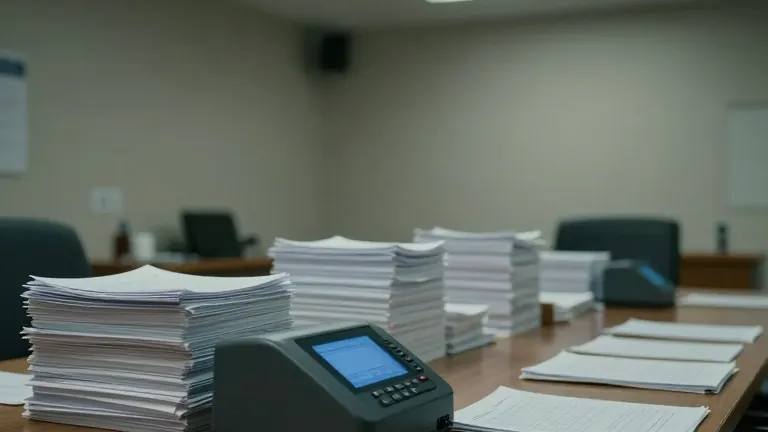
U.S. District Judge David O. Carter denied a request from the Trump administration to segregate the ballots of up to 20,000 California voters on Wednesday. The federal government argued these individuals were likely noncitizens, but Carter warned that isolating their votes would "wreak havoc" on the already ongoing midterm election. The decision stands as a clear rejection of the executive branch's attempt to intervene in state-level vote counting.
The legal challenge stems from a lawsuit filed in mid-October. The Justice Department accused California election officials of missing a 48-hour deadline to review a list of 20,000 names provided by federal prosecutors. The administration sought an order forcing the state to hold those specific ballots in abeyance while immigration status was verified. This move is the latest in a series of legal actions aimed at expanding federal oversight of elections prior to the November 3 vote, which will determine control of Congress for the remainder of Trump's term.
Carter's ruling emphasizes the logistical difficulty of the federal request. He noted that separating ballots at this stage would require counties to invent new sorting methods, creating a risk of disenfranchising a large number of voters. The judge determined that such a change violates the National Voting Rights Act, which prohibits altering voter rolls within 90 days of an election. In his view, the order would functionally purge voters, a process the law intends to prevent in the final weeks of a campaign.
The federal government had also asked an appeals court for an emergency ruling before Carter's scheduled hearing on October 27. The higher court rejected that effort, leaving the district judge's decision as the controlling order for now. The administration's strategy appears to be part of a wider push to influence election outcomes in key battleground states.
Similar legal moves are unfolding in other states with congressional races. In Washington, the Justice Department requested that state officials sequester ballots from hundreds of suspected noncitizens this week. In Alaska, a separate lawsuit filed last week seeks to delay the certification of the U.S. Senate race if the Republican incumbent does not win. All three states have seats that will help determine the balance of power in the next Congress.
Carter pushed back against the Justice Department's claim that California was hindering federal enforcement. He pointed to recent actions by prosecutors who arrested 28 noncitizens for illegally voting or registering, arguing that demonstrated enforcement capability negated the need for ballot segregation. The judge described the federal demand as a threat to an ongoing election based on unproven allegations.
Bill Essayli, the First Assistant U.S. Attorney who argued the case for the federal government on Tuesday, maintained that the request was meant to "safeguard the elections." He contended that isolating ballots does not stop them from being counted later, but rather preserves the status quo to prevent the election from being infected by illegal votes. Federal prosecutors did not respond to requests for comment on Wednesday evening regarding the ruling.
More than 3.7 million people have already voted in California, with over 500,000 of those votes already counted. Carter's order keeps those ballots in the active pool, ensuring they are tallied alongside the rest of the state's electorate rather than held in a separate administrative queue.