Four dorymen keep century-old market alive
Newport Beach’s historic fish market faces El Niño warming and a shrinking vendor base.
By Fatou Kim ·
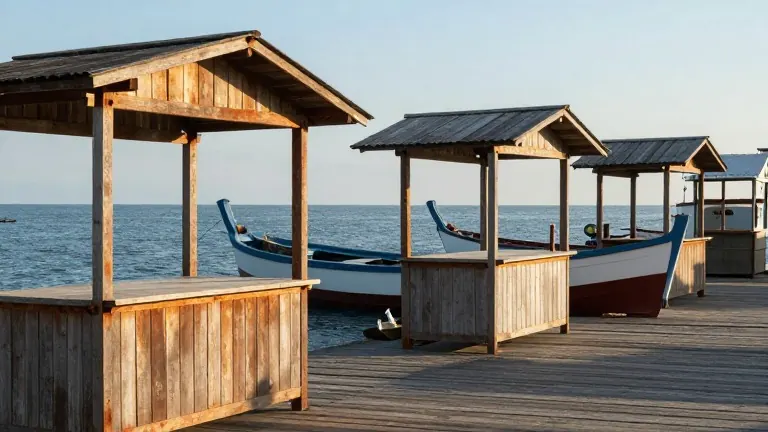
The Dory Fleet Fish Market in Newport Beach now operates with only four regular vendors, a sharp decline from the dozens of fishermen who once sold their catches at the site. This reduction has altered the dynamic of the historic venue, which has been a fixture of the local economy for over 130 years.
The market, established in 1891, is currently selling out of its inventory within hours of opening. Lines form as early as 3:30 a.m. for the 5:30 a.m. Saturday and Sunday start times. The scarcity of vendors has not reduced demand; rather, it has concentrated sales among the remaining few, creating a high-velocity transaction environment for fresh seafood.
Steve Escobar, known locally as "Crabby" Steve, has operated a stand at the Fleet for 36 years. He sells rock crabs, spider crabs, sea snails, and lobsters. Escobar attributes the market’s continued relevance to the direct sales model, which allows customers to purchase fish directly from the catchers rather than through intermediaries.
"There’s a need for it, and we’re fortunate that the city of Newport Beach gave us this spot," Escobar said. He noted that the site is a recognized historic landmark, a status that has stabilized the vendor base by preventing frequent turnover of ownership or location.
Pierre Charest, another long-time seller, has operated at the market for 10 years. Charest, who runs Santa Barbara Live Seafood, specializes in sea urchins caught off the Santa Barbara coast. He has caught between 2 and 3 million pounds of the invertebrate during his 43-year career. His presence adds a specialized product line to the market’s inventory.
Weather patterns are introducing new variables into the supply chain. Charest expressed concern over the super El Niño weather pattern, which has raised ocean temperatures. He reported measuring 72 degrees at 60 feet deep, a record for his experience. NOAA data indicates that El Niño typically causes elevated sea levels and warmer waters on the West Coast, which can introduce warm-water species like wahoo and striped marlin while increasing the risk of harmful algal blooms.
The Scripps Institution of Oceanography warns that increased water temperatures stress cool-water species and kelp forests, potentially reducing the local supply of traditional catch. The market’s future stability depends on whether these ecological shifts disrupt the specific types of fish and shellfish that the four remaining vendors can reliably source.
The structure of the market, rebuilt in 1989, retains its rustic wooden framing and individual stands. The venue remains a permanent local historic landmark, a designation first granted in 1969. The current operational model relies on the continued participation of these four key vendors to maintain the direct-to-consumer sales channel that defines the location.
More Business · Consumer Alerts · Report a business · Got a Story?