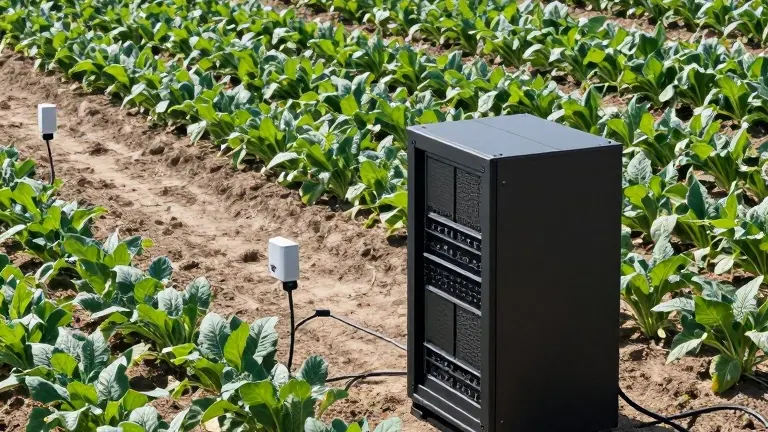
Homeowners urged to check HVAC date plates to avoid costly winter repairs
Data from InterNACHI shows central air conditioners last seven to 15 years, while furnaces may run 15 to 25 years, making age a key factor in maintenance planning.
By Noor Phillips ·
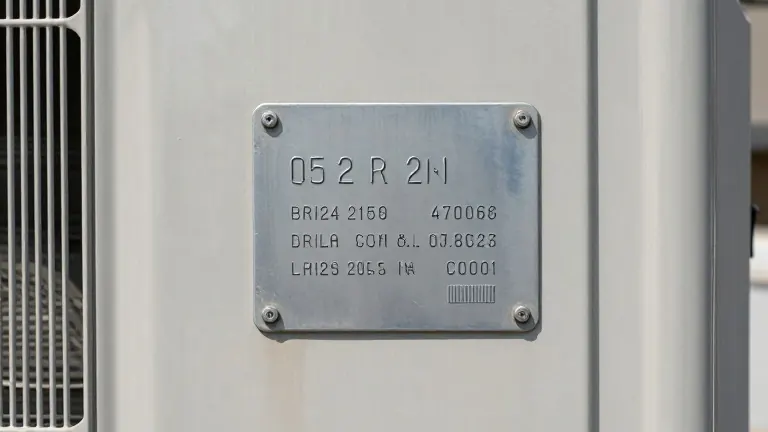
Homeowners can determine the exact age of their heating and cooling systems by checking the manufacturer’s nameplate, a step that helps prevent unexpected breakdowns during extreme weather. The metal or foil data plate is typically attached to the exterior condenser unit, the indoor air handler, or the interior side of the furnace cabinet. It contains a manufacturing date field, usually labeled MFD, MFR DATE, or FAB. This date is distinct from the installation date, which appears on the appliance manual, warranty registration, or maintenance tags inside the cabinet.
Knowing the age of the equipment allows residents to plan maintenance before systems fail. As summer temperatures rise, the need for reliable cooling increases. Climate Central reports that average temperatures have warmed by 2.6 degrees Fahrenheit in 97 percent of U.S. cities analyzed. This warming trend places greater stress on older HVAC units, making proactive checks more valuable than reactive repairs.
The International Association of Certified Home Inspectors, known as InterNACHI, provides specific lifespan estimates for different components. Thermostats can remain functional for up to 35 years. Central air conditioning units typically last between seven and 15 years. Furnaces are expected to last 15 to 25 years, while heat pumps have a shorter expected lifespan of 10 to 15 years. Systems approaching these age limits become more prone to failure, particularly during peak usage seasons.
Tracking the age of older units encourages homeowners to identify early signs of trouble, such as unusual noise or reduced efficiency. Instead of dismissing these issues as minor, owners can schedule a heating and air conditioning repair inspection sooner. This approach helps avoid emergency service calls when a system breaks down completely. A clear understanding of the unit’s history informs the decision between repairing a specific component or replacing the entire system.
Seasonal maintenance schedules align with these age-based insights. A cooling checkup in the spring prepares the system for hot weather, while a heating inspection in the fall ensures the furnace is ready for cold snaps. These visits allow technicians to assess the current condition of the equipment and flag any parts that are nearing the end of their useful life. This preparation helps homeowners budget for necessary repairs or a full replacement before a failure occurs.
The manufacturing date serves as a baseline for evaluating the reliability and energy efficiency of a home’s climate control system. By monitoring this metric, residents can make informed decisions about upkeep. The data plate provides a concrete reference point that guides maintenance frequency and replacement timing. This simple check helps ensure indoor comfort remains consistent throughout the year.
More Business · Consumer Alerts · Report a business · Got a Story?