House Impeaches Hegseth as New Democrats Take Floor
The lame duck session begins with a vote to remove the defense secretary, while Republican leadership battles emerge and Trump taps Stephen Miller as chief of staff.
By Noor Phillips ·

The House of Representatives is set to vote on a resolution to impeach Defense Secretary Pete Hegseth this week, marking the first major legislative action of the lame duck session. The measure was advanced by Republican Rep. Thomas Massie over objections from House leadership as momentum builds to hold Hegseth accountable for the Iran war. Democrats are expected to support the resolution widely, and several Republicans have signaled they will join them in the vote.
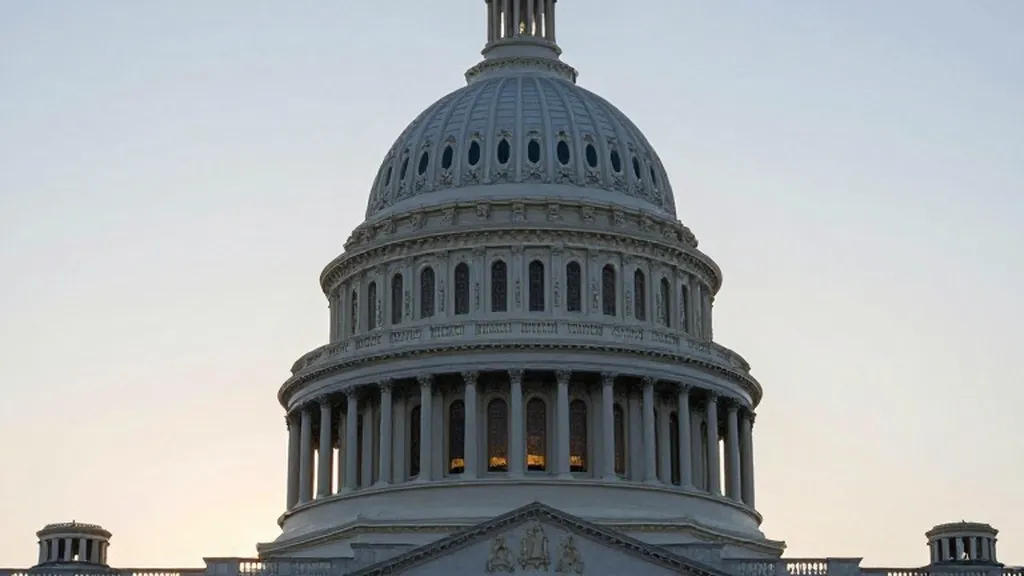
Congress returns to Washington on Monday after Democrats swept the midterm elections, ending the Republican majority in both chambers. The shift in power will be formalized on Jan. 3, 2027, but the current six week session is already defined by the collision of outgoing and incoming members. Dozens of new Democratic lawmakers arrived over the weekend with their families for freshman orientation, while the number of returning Republicans has shrunk considerably.
Rep. Hakeem Jeffries, the House Democratic leader, stated on ABC that it is time for Hegseth to go. He argued that the secretary has abused his power and engineered a reckless and costly war of choice in Iran. President Donald Trump defended Hegseth on Sunday night before flying back to Washington from his Florida home. Trump told reporters that Hegseth is guilty of winning two wars and saving the Middle East and Israel.
The lame duck agenda includes a government funding package that must pass by mid December to avoid another federal shutdown. Lawmakers also aim to pass the annual defense bill, which has been approved almost every year since World War II. The current package is stalled due to progressive demands to cut funding for the Iran war and military aid to Israel related to the war in Gaza.
Senate leaders hope to begin votes on legislation to speed permitting reviews for new energy infrastructure projects on Monday. President Trump urged senators to act on this measure in a social media post on Sunday. There is also pressure to confirm judicial nominees before Republicans lose control of the Senate in January.
Republican leadership in the House faces a contentious battle after Speaker Mike Johnson decided to step aside. The race is currently between Rep. Steve Scalise of Louisiana and Rep. Jim Jordan of Ohio. The two men previously clashed during the speaker race three years ago, but neither secured enough support from the rank and file. With the Republican caucus now smaller, lawmakers are looking for a wholesale change in leadership.
In the Senate, Majority Leader John Thune is expected to retain his position despite the party moving to the minority. Democrats flipped several Republican held seats, including milestone victories in Texas and Kansas. Senate Democratic leaders are expected to hold their elections later this month. Sen. Chuck Schumer remains the presumptive majority leader, though at least two incoming senators, Abdul El-Sayed of Michigan and Adam Hamilton of Kansas, have declined to publicly support his bid.
Newly elected lawmakers are already shaping the tone of the new Congress. Rep. Daniel Biss of Illinois said voters sent a clear message that they are ready to transform who holds power. Rep. Chris Stigall of Missouri, a Republican, noted that the economy is not where it needs to be. He cited six dollar diesel prices as a tough pill to swallow for farmers in his district.
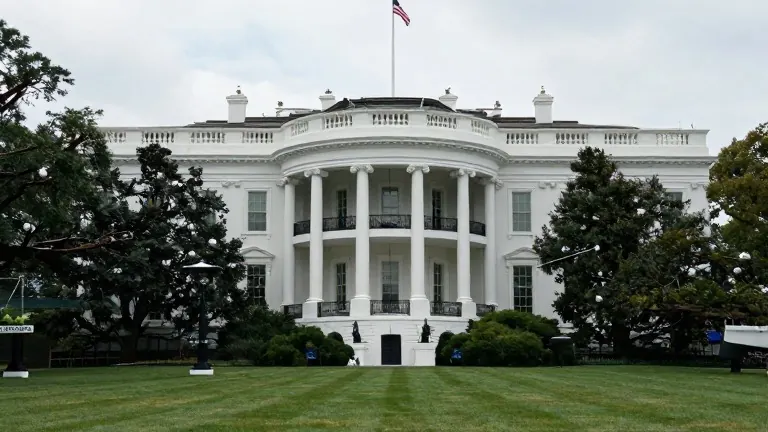
The White House is also undergoing a leadership change as Stephen Miller takes over as chief of staff on Monday. Miller, the architect of much of the administration's domestic policy agenda, is expected to lead a more direct confrontation with the new Congress. The shift in Washington reflects the broader realignment following the midterm results.