Mexico Shrinks Vaquita Marina Protection Zone by 86%
New regulations under President Claudia Sheinbaum reduce no-fishing areas in the Upper Gulf of California, prompting a joint letter from over 70 environmental groups demanding a reversal.
By Fatou Kim ·
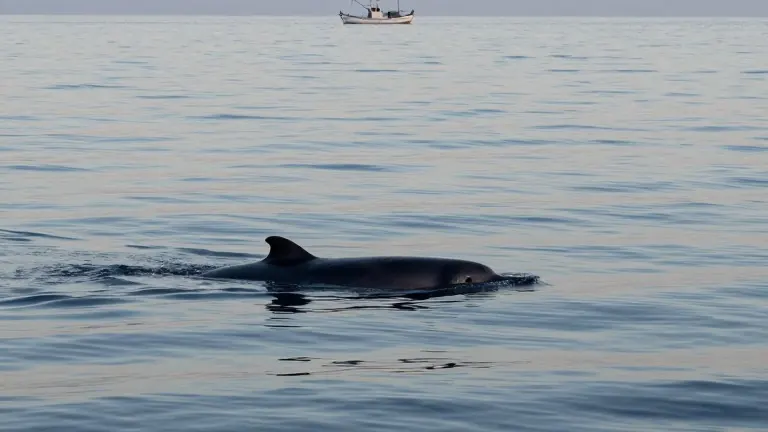
The Mexican government has reduced the protected zone for the vaquita marina by approximately 86 percent under new environmental rules issued this year. The administration of President Claudia Sheinbaum Pardo established a transit corridor and new fishing areas in the Upper Gulf of California. These changes effectively eliminate the previous zero-tolerance zone where gillnets were prohibited.
The vaquita is the world's most endangered cetacean, existing only in Mexican waters for over 200,000 years. Its survival is threatened by the totoaba fish, which is highly valued in Asian markets due to a belief that its swim bladder has aphrodisiac properties. Because the two species are similar in size, fishermen using vertical gillnets often trap and kill vaquitas while targeting totoaba. Organized crime groups also promote the capture and sale of the totoaba.
In August 2023, the International Whaling Commission issued its first extinction alert in its eighty-year history. The vaquita is the only species to receive this designation since 1946. If the species disappears, it will be the second cetacean to go extinct in modern times, following the Chinese river dolphin, or baiji, which was declared extinct in 2006 due to Yangtze River pollution.
More than 70 civil society organizations and dozens of scientists have sent a formal letter to the Mexican government requesting a correction to the new policy. Signatories include the Ocean Futures Society, the Nuclear Age Peace Foundation, Greenpeace Mexico, and the Cetacean Society International. The letter was coordinated by Dr. Yolanda Alaniz Pasini, a consultant for the Vaquita Marine Mammal Commission. Other signatories represent organizations from Argentina, Brazil, Canada, Colombia, Costa Rica, Switzerland, Uruguay, and the United Kingdom.
The new rules appear to conflict with previous commitments made by the Mexican presidency, the Ministry of Environment and Natural Resources, the Naval Secretariat, the Federal Attorney's Office for Environmental Protection, and the National Commission of Protected Areas. These agencies have historically stated their intent to defend the country's natural environment.
The letter asks the government to reverse the reduction in protected waters. The signatories urge readers to contact the Mexican consulate to express support for the petition. The group argues that authorities who committed to environmental protection must follow through on those promises.
The current population status of the vaquita remains critical. The next step involves the Mexican government's response to the international letter and potential adjustments to fishing regulations in the Upper Gulf.