Michigan Senate: Final Push as Stevens Switches
Democratic Rep. Haley Stevens endorsed Republican Mike Rogers on Sunday, prompting a sharp rebuke from Sen. Gary Peters on Monday.
By Olivia Miller ·
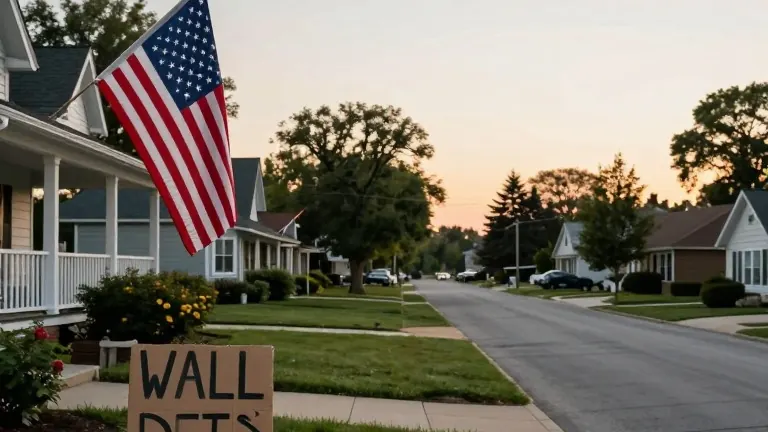
The race for the open Michigan Senate seat entered its final hours on Monday as both major party candidates addressed local crowds and media.
Democratic candidate Abdul El-Sayed held a rally in Royal Oak alongside Mallory McMorrow, his opponent in the August primary. El-Sayed centered his message on household budgets, arguing that everyday prices have become unmanageable for many residents. "It shouldn't be this hard to afford a second bag of groceries," he said.
Republican nominee Mike Rogers, who is currently serving in the House of Representatives, was represented at a Local 4 interview by his wife, Kristi Rogers. She framed the contest as a decision about state and national character. "This race is about who we are as Michiganders, who we are as American citizens and our values and what we want Michigan and America to look like," she said.
A notable shift occurred on Sunday when Democratic Rep. Haley Stevens endorsed Rogers. Stevens had supported El-Sayed after the primary but said she could no longer stand with his campaign. She criticized El-Sayed's approach, stating she could not align with what she described as hate.
Sen. Gary Peters, the incumbent Democrat who chose not to run for re-election, voted in Bloomfield Township on Monday. He dismissed the Stevens endorsement as a distraction from the main issues. "It was wrong, and it's really unacceptable. But I think we need to be focused on what's really important right now," Peters said. He added that voters must provide a check on the current administration, which he said is enacting policies that hurt Americans.
Michigan is one of a small number of competitive Senate races that will determine which party controls the chamber in the next Congress. The seat is currently vacant for the upcoming term as Peters leaves office after two terms.
Both camps are working to convert undecided voters in the final days before Election Day. The outcome will shape the balance of power in the U.S. Senate for the next two years.