Oil Holds Near $115 as Iran Defies U.S.
Tehran states its policy will not change even if new strikes occur, while Brent crude remains elevated due to supply fears.
By Fatou Kim ·
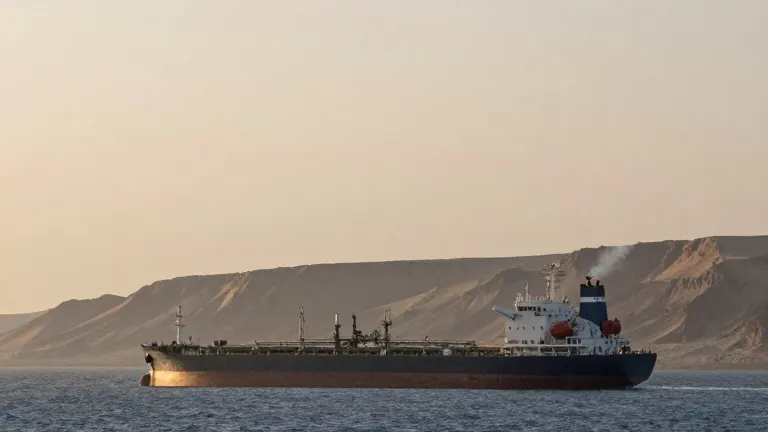
Brent crude stayed near $115 a barrel early Monday as Iran declared its policy would not shift regardless of U.S. military action. President Trump said on Sunday he faces a choice between finishing the conflict or making a deal. He framed the decision in stark terms during an interview with Fox News' "Sunday Morning Futures."
Iranian Foreign Minister Abbas Araghchi stated that talk of a new war has not altered his government's thinking. He told a televised event in Tehran that whether there is war or not, their policies remain the same. He added that Washington and Israel had tried twice already and would achieve no different outcome. Foreign ministry spokesperson Esmaeil Baqaei said the window for diplomacy remains open. He noted that messages are still being relayed to the U.S. through intermediaries, although direct talks have appeared stalled for weeks.
Energy markets remain on edge due to supply worries. Brent rose sharply late last week as the Northern Hemisphere approaches winter. Demand for gas typically climbs during this season. The U.K. navy's Maritime Trade Operations center reported that a tanker heading out of the Strait of Hormuz was hit on Friday. An unknown projectile disabled the ship, and the crew were reported safe. Iran had claimed to strike at least four tankers near the strait on Thursday, but those claims were not corroborated.
Regional powers are attempting to ease tensions. Saudi Defense Minister Khalid bin Salman, Pakistani army chief General Asim Munir, and Turkish intelligence chief Ibrahim Kalin were due in Tehran on Monday. They were scheduled for security talks with Iranian officials, including security chief Mohsen Rezaei. Saudi Deputy Minister for Public Diplomacy Rayed Krimly said the visit supports de-escalation. He added that it backs mediation by Qatar and Pakistan. These talks follow eight months of war in the region.
Violence continued in Yemen as the Saudi-led coalition intercepted a ballistic missile fired by the Houthis. The coalition said it destroyed two missile launchers in Sanaa. The Iran-backed group claimed it hit Riyadh's international airport with a missile. It also said it struck oil pumping stations with drones. Earlier attacks this month had closed the airport for more than two weeks. This forced Saudi Arabia to postpone its flagship investment conference until 2027.
In Israel, Prime Minister Benjamin Netanyahu warned that Iran and its proxies might attack to disrupt Tuesday's elections. He told reporters not to test them. Defense Minister Israel Katz rejected a Channel 12 report of a clash between Netanyahu and army chief Eyal Zamir. Katz called the report entirely baseless, while Netanyahu had called it rubbish. Iran's foreign ministry said the election result makes no difference to Tehran.