Shooting in Cracovia kills six
Police say a 25-year-old man opened fire in the city's main market square before officers shot him.
By Fatou Kim ·
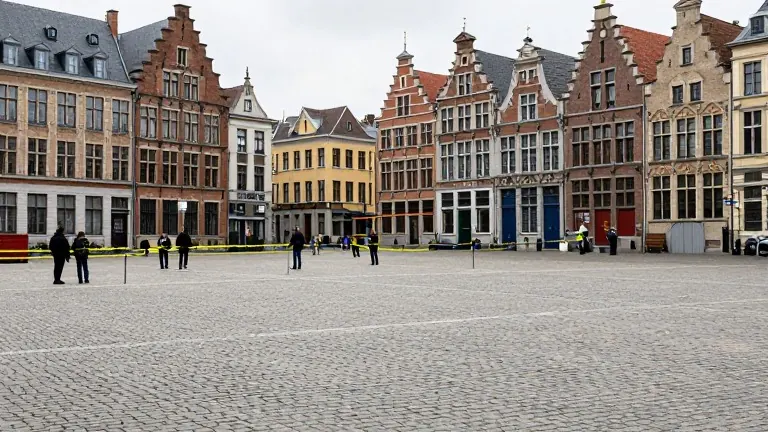
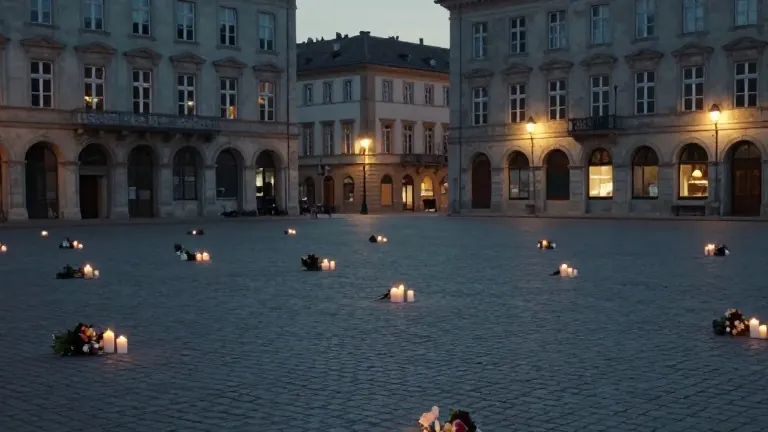
Cracovia is a major tourist destination in southern Poland. On Saturday afternoon, a gunman opened fire in the city's central square, killing at least six people and wounding more than ten.
The incident began at 3 p.m. local time when a man driving a vehicle started shooting at pedestrians in the Market Square. Police described the gunfire as random. The attacker, a 25-year-old Polish national, was wearing military-style clothing. Investigators noted that he held sympathies for far-right ideologies.
Officers arrived at the scene and attempted to detain the man. He resisted arrest and returned fire, leading to his death. Two police officers were injured during the exchange. Interior Minister Marcin Kierwiński reported that one officer is in critical condition after being shot three times.
Initial reports listed five deaths, but authorities later raised the toll to six. The victims included four women and two men. Emergency services have cordoned off the Market Square and advised the public to avoid the area.
President Karol Nawrocki expressed deep concern over the events. In a post on X, he stated that he is in contact with competent authorities and expects a thorough explanation of the circumstances. He also announced that the head of the National Security Office is traveling to Cracovia.
Prime Minister Donald Tusk confirmed that an investigation has been launched to clarify the sequence of events. Tom Rose, the U.S. ambassador to Poland, called the incident a savage attack. He wrote on X that the United States stands with Poland during this dark moment and with the citizens of Cracovia.
A tourist named Talli told Reuters that she ran into a restaurant upon hearing the shots. She remained inside until the gunfire stopped. She said she did not know the safest way to reach her hotel. The square remains a focal point for the city, a place historically linked to Pope John Paul II, who served as archbishop there before his election.