Spain's Daily Lunch: A Tradition Under Economic and Cultural Pressure
The menú del día serves four million customers daily, yet rising costs and shifting habits threaten its survival.
By Fatou Kim ·
The menú del día, a fixed-price lunch staple in Spain, is experiencing a slow decline despite serving four million customers on every working day.
Ferran Adrià, the country's renowned chef, declared the tradition dead in 2009. He attributed its end to changing eating habits and the rise of bistro-style dining that charged 20 to 30 euros for simple meals. Seventeen years later, the tradition persists, though it faces new challenges.
Lakshmi Aguirre, a Spanish food journalist, recently published a book titled Menú del Día: Everyday Scenes of a First Course, a Second Course and Pudding. In her work, she argues that the meal is in trouble but not yet finished.
The menu originated in the mid-1960s as a tool for the tourism sector. Manuel Fraga, the information and tourism minister under dictator Francisco Franco, devised it to show foreign visitors that food in Spain was plentiful and affordable. Regulations mandated a soup starter, a main course of egg, fish, or meat with a side, and a dessert. Prices were set between 50 and 250 pesetas, and the included wine had to be pure Spanish red or white with at least 12% alcohol.
In the early 1970s, the offering was renamed to encourage local Spaniards to dine out rather than just tourists. Aguirre noted that many people are surprised to learn of Fraga's role in its creation. She stated, "It says a lot about us Spaniards; we forget very quickly." She described the menu as a reflection of Spanish society's evolution, noting that nostalgia for the tradition is growing.
Current economic pressures are straining the format. The average price has risen to 14.70 euros. Many workers now choose quick lunches, bringing food from home or microwaving supermarket meals. Small, family-run restaurants struggle with rising energy and food costs, making it difficult to offer rotating daily choices. Some have switched to a single dish of the day, while others have added Latin American staples to match changing demographics.
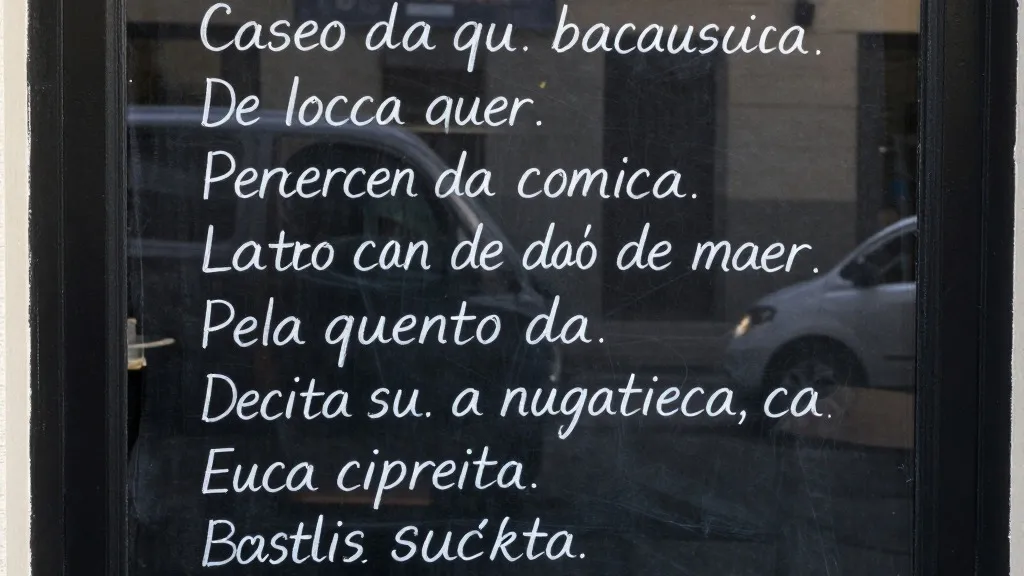
Aguirre accepts these shifts, stating the menu has always mirrored the society that eats it. She defines a good venue by simple dishes, a changing menu, and non-frozen chips. She favors chalkboards that avoid trendy words like avocado, burrata, tartare, truffle, or sourdough bread. She gives bonus points if the owners' child is doing homework at a table in the back.
For Aguirre, the loss of the menú represents the disappearance of a social meeting point. She describes it as a place where families with limited means can eat out and people living alone can find company. She added that the privilege of the menu lies not just in affordability, but in having the time to enjoy the meal.
More Culture · World news · Report a business · Got a Story?