Swing Voter Project: Biden Defectors Turn on Trump Over Economy
NPR's year-long focus groups reveal that voters who backed Trump in 2024 are now citing economic pain and AI concerns as top issues.
By Fatou Kim ·
Voters who switched from Joe Biden to Donald Trump in 2024 are now questioning their support for the current president. A year-long study by the Swing Voter Project indicates that this group has soured quickly on Trump, often linking his specific policy decisions directly to their personal economic struggles.
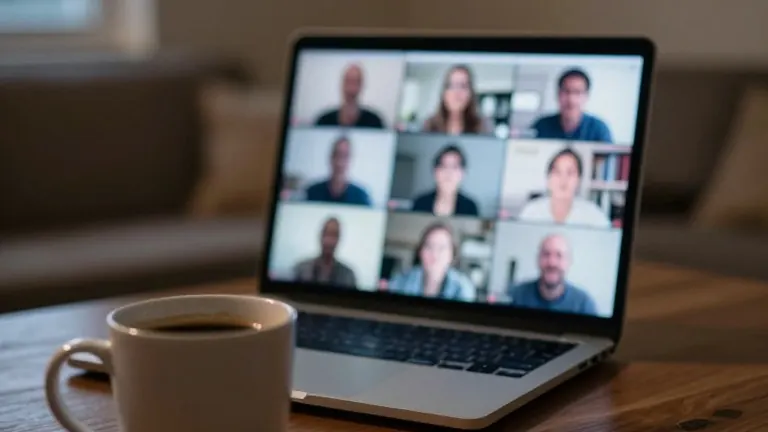
The project involves online focus groups held monthly in swing states. Messaging firm Engagious and market research recruiter Nelson Recruiting run these sessions. NPR partners with the initiative to track these voters. Participants in this specific cohort supported Biden in 2020 before backing Trump in 2024.
Throughout 2026, the group has reflected on political issues and their voting intentions for the upcoming election. The data suggests a shift away from loyalty toward a more transactional view of the presidency. Voters are no longer just judging party affiliation; they are measuring the tangible results of governance.
The findings point to a convergence among left and right voters on economic populism. This suggests that traditional partisan lines are blurring when it comes to financial security. Additionally, the group expressed broad concern about artificial intelligence. Specifically, they cited the proliferation of data centers as a growing local issue.
Democrats have not emerged as the clear alternative in these discussions. The focus groups indicate that the opposition is not universally popular. This creates a complex environment for candidates seeking to court these undecided individuals.
The analysis concludes with five key takeaways for the 2026 election cycle. These include the rapid erosion of trust among Biden defectors and the direct correlation between presidential decisions and voter sentiment on the economy. The full discussion is available in a special hour-long audio program edited by Ben Swasey and produced by Lexie Schapitl.