Texas Data Centers: New Governor Promises Freeze
Gina Hinojosa plans to halt approvals until the legislature passes new rules on power, water, and taxes.
By Olivia Miller ·
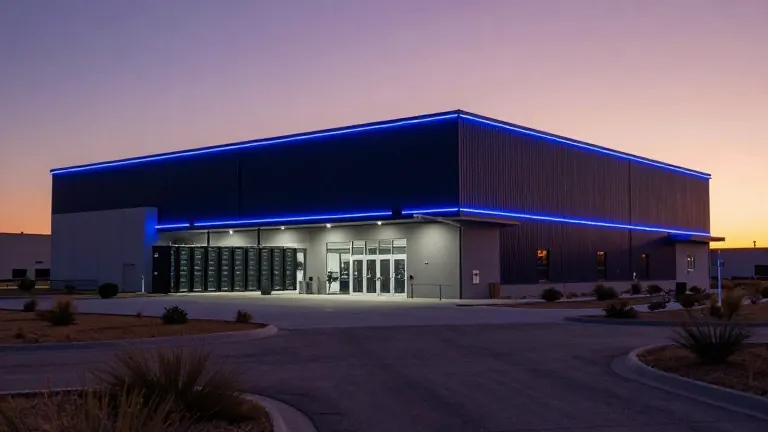
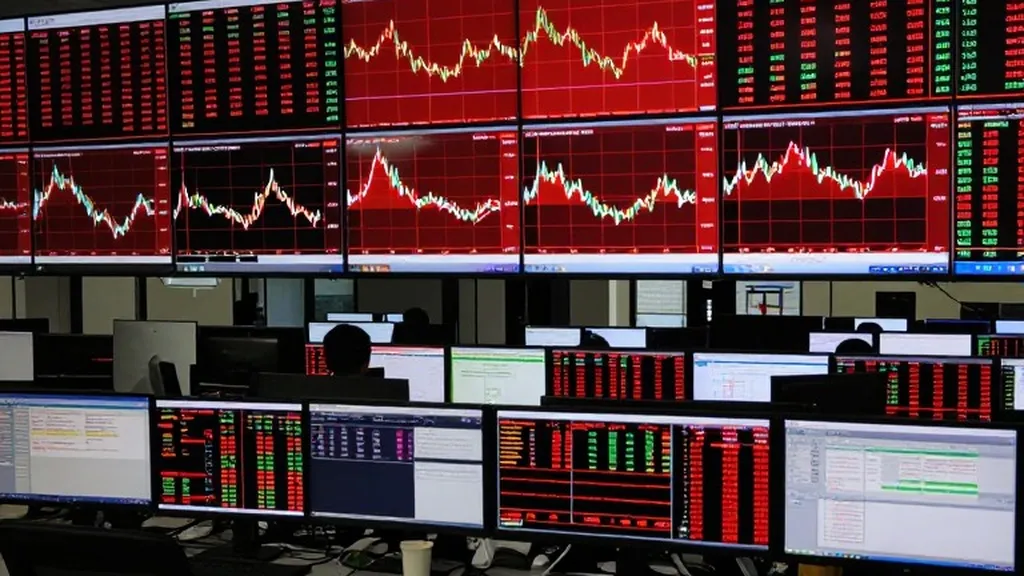
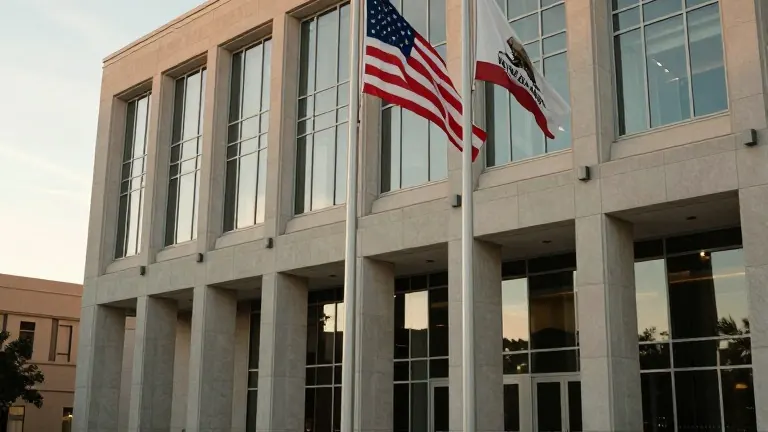
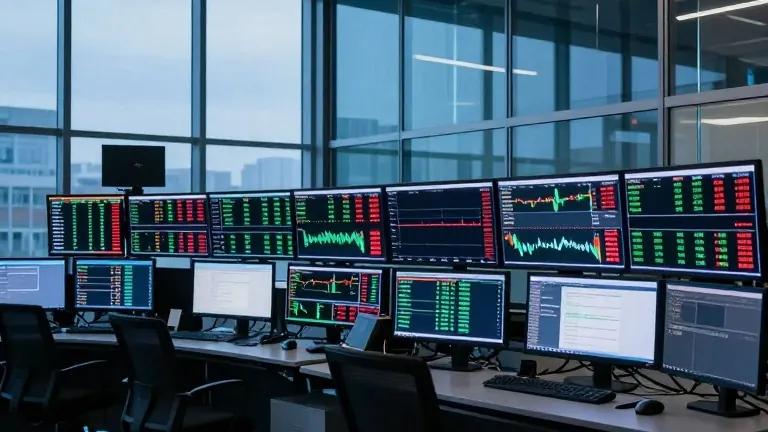
Data center projects in Texas face a new pause as Democrat Gina Hinojosa prepares to take office as governor. Her campaign promise to freeze approvals until the state legislature acts creates immediate uncertainty for developers who have been expanding rapidly in the state. This move follows her victory in Tuesday's gubernatorial race, a result that shifted control of the statehouse to a party with a different approach to energy infrastructure.
Hinojosa stated she will issue a ban on all data center approvals until laws are passed to protect residents. She took office on Jan. 19, 2026, and will work with a Democrat-dominated Texas House. The freeze aims to give the legislature time to enact protections before new projects receive state permission. This extends the uncertainty that began under former Governor Greg Abbott, who had already paused permits and grid connections for an audit.
The audit was expected to be completed by December 2025. Abbott’s administration demanded data on tax incentives, water use, and pollution controls. He also required data centers to pay for their own electrical infrastructure. The new governor intends to go further by addressing the financial and environmental footprint of these facilities through new state laws. The timing of the new session in January is critical for these legislative changes.
Critics of the industry point to the massive power draw these facilities impose on the Texas grid. They also raise concerns about water usage in a state prone to drought. Hinojosa’s platform includes requiring data center operators to hire union workers. She also plans to stop the use of nondisclosure agreements that hide project details from the public. These measures are designed to increase transparency and local influence over development.
Hinojosa stated that economic development and resident protections are not mutually exclusive. She said in a September interview that she would ensure Texans do not pay more for electricity due to data centers. She also plans to stop tax subsidies that the state argues deprive it of billions in sales tax revenue. These financial adjustments aim to balance the economic benefits of the industry with the costs borne by the state budget and consumers.
The industry has responded with mixed messages. Jess Heck, director of government affairs for the Data Center Coalition, said the sector is committed to supporting energy reliability and affordability. She noted that the coalition looks forward to working with state and local officials. The group aims to build trust while promoting responsible growth in the Texas market. This diplomatic stance contrasts with the direct confrontation seen in previous months.
Opposition to data centers has grown across the political spectrum in Texas. Kathryn Guerra, a campaign director for Public Citizen, described the anger in communities as real and widespread. She noted that this sentiment appeared in both red and blue counties. Guerra said the election result reflects this public frustration with the influx of new facilities. Her organization had previously identified environmental permits that were approved despite the existing pause.
Data Center Watch analyzed the gubernatorial campaigns in 36 states and found that 43% of candidates supported a moratorium or ban. The group stated that Texas offers a clear example of data center regulation becoming an election issue. This statistic underscores the national trend of local resistance to large-scale data infrastructure. The Texas case has drawn attention from outside the state as a potential model for other regions.
Donors linked to the data center industry gave Abbott approximately $9 million since July 2025. This financial support did not prevent a shift in policy direction after the election. Elon Musk, who founded xAI and supported Abbott, commented on the situation on X. He suggested that data centers in space look appealing right now. This remark highlights the high-profile nature of the debate surrounding future energy demands.
More Business · Consumer Alerts · Report a business · Got a Story?