UK Trees Bloom in Autumn as Heat Stress Disrupts Ecological Cycles
Mild October temperatures have triggered early spring growth in horse chestnuts, creating a mismatch with pollinators and risking long-term canopy health.
By Fatou Kim ·
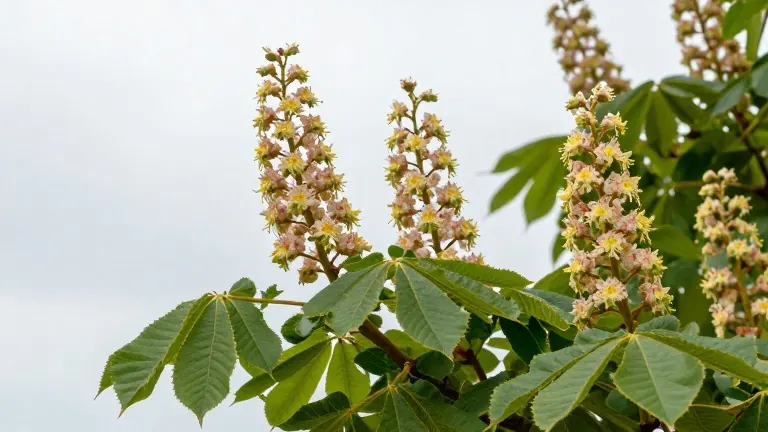
Horse chestnut trees across the United Kingdom are currently flowering and developing next year's buds, a process typically reserved for late spring. This early onset of spring growth is occurring more than six months ahead of schedule due to sustained mild temperatures throughout the autumn. The phenomenon signals a disruption in natural seasonal cycles for woodland ecosystems.
October marked the ninth consecutive month with above-average mean temperatures across all parts of the UK. Chris Nichols, head of conservation outcomes at the Woodland Trust, noted that the persistent warmth has confused the trees' internal biological clocks. He described the situation as everything being "so out of whack," indicating a broader ecological imbalance.
The early flowering creates a timing mismatch between trees and the insects that rely on them for food. Nichols explained that trees must flower in sync with pollinators to ensure reproduction and survival. When this synchronization is lost, the long-term resilience of tree species is compromised because they depend on specific insect interactions to thrive.
Dr. Kate Lewthwaite, a citizen science manager at the Woodland Trust, identified this behavior as a stress response. She suggested that the severe drought earlier in the summer forced trees to shut down essential systems, effectively entering a dormant state. When autumn rains arrived, the moisture triggered a premature spring growth cycle instead of a standard autumn slowdown.
This out-of-season growth can weaken the entire tree. It may force the tree to resprout from dormant buds on the trunk or branches in the coming spring, resulting in a smaller canopy. Kevin Martin, head of tree collections at Kew Gardens, confirmed that trees in the arboretum are exhibiting the same confused growth patterns. He explained that the summer stress pushed trees into dormancy too early, and current mild conditions are pulling them back into growth before they are ready.
The true impact of this cycle will not be fully understood until spring 2028. Experts warned earlier in the summer that high winds associated with El Niño could cause widespread mortality among trees already weakened by heat and drought. Martin observed increased tree failures during Storm Austen and Storm Boelo compared to storms of similar intensity. He attributed these failures to the lack of new growth in the south-east, where drought conditions were most severe, leaving trees structurally vulnerable.
Conservationists are recommending measures to help woodlands recover, including rewetting woodland areas and slowing the flow of rainfall. These steps aim to improve the resilience of trees against future climate fluctuations. The current conditions demonstrate that ecosystems are struggling to adapt to rapid temperature changes driven by the burning of fossil fuels.