AI is changing how recent graduates find work
A career adviser says job seekers must use the technology to their advantage rather than letting it filter them out.
By Olivia Miller ·
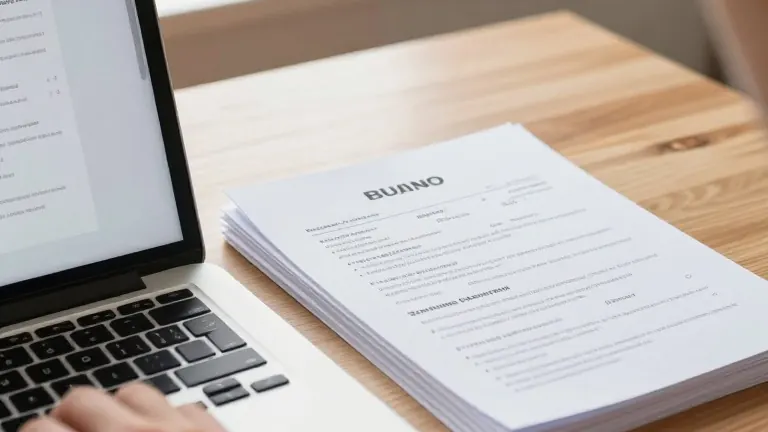
The job search for recent university graduates has become a digital process.
Many applicants spend hours on platforms like Indeed and LinkedIn, refining their curricula vitae and drafting cover letters.
Angela Curran, founder of mycareerverse.ie, notes that this period is often stressful for new entrants to the labor market.
"They’re at such a vulnerable stage, because they can’t get their foot in the door, and they’re up against AI just to get in the door," Curran said.
Employers increasingly use artificial intelligence to screen candidates for interviews.
Some companies now require applicants to interact with an AI avatar before securing a face-to-face meeting.
Curran observes that there is very little human contact in the initial stages of a career.
She advises graduates to understand how the technology functions within their specific sector.
"You don’t have to be an expert in it, you just have to know how it works," she said.
Employers are looking for candidates who can work alongside these machines rather than competing against them.
Online platforms such as LinkedIn Learning and Coursera offer courses to help applicants build these skills.
Curran suggests that graduates should post certificates of completion on their professional profiles to signal their expertise to recruiters. This approach acts as a marketing strategy for the applicant's skills. A common error is over-relying on AI to generate application documents. Many employers use Applicant Tracking Systems to scan resumes and match keywords against job descriptions. This has led some graduates to use AI to create documents that mirror the language of specific vacancies. However, Curran warns that recruiters can often identify fully AI-generated resumes. They frequently note poor formatting and overly Americanized language. Instead of generic templates, applicants should use AI to build a framework and then populate it with their own specific experiences. Curran also advises against entering all personal details into AI tools. Applying to too many roles with the same AI-generated resume is another common mistake. Job seekers should reflect on the type of company they actually want to join. Maintaining a journal of applications can help with this reflection. Candidates should also prepare a bank of stories to demonstrate where they gained specific skills. These human traits, such as critical thinking and emotional intelligence, remain valuable. AI can amplify good thinking but does not replace it. For those struggling to pass the application stage, analyzing the skill gaps is necessary. Reviewing the profiles of current employees on LinkedIn can reveal what additional qualifications are required. The government’s Springboard+ initiative offers free or subsidized courses in fields like engineering and ICT to help close these gaps. For those looking to work outside of Ireland, AI serves as a useful research tool. Curran notes that the job market is now global. "AI is helping me with graduates to look beyond Ireland," she said. She can use the technology to pull up information on European job listings and corporate structures. The European Union is currently recruiting large numbers of graduates. Applicants can also use AI chatbots to practice interview responses. Reviewing these interactions helps improve communication and presentation skills. Traditional networking methods have not disappeared. Knowing someone within a company still holds weight. Curran encourages graduates to walk into smaller local employers with printed resumes. This approach has led to successful placements for many recent graduates.
More Business · Consumer Alerts · Report a business · Got a Story?