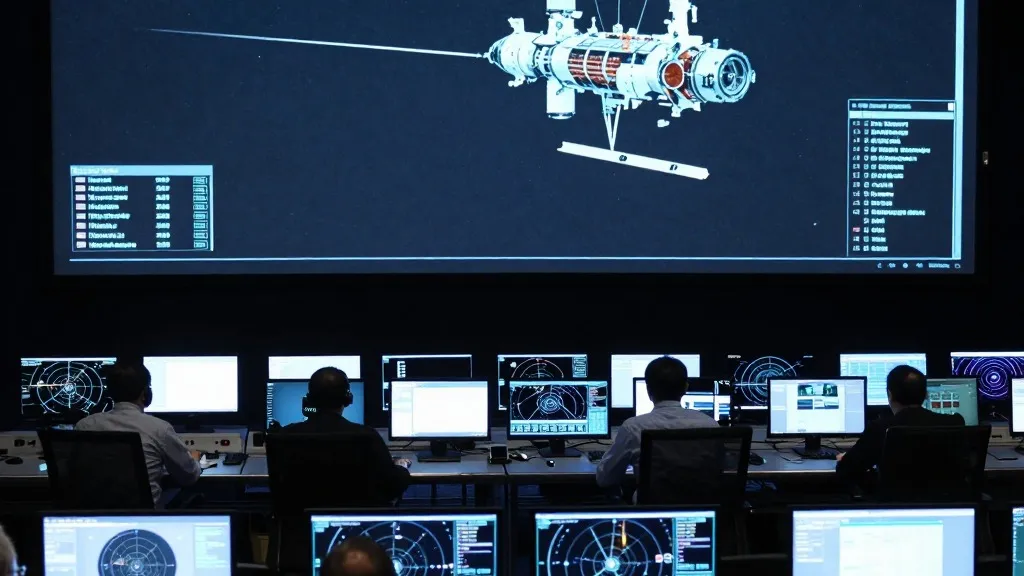
Ukraine Faces Satellite Gap as Starlink Reliability Wavers
Rising political interference and service disruptions are forcing Ukraine and European allies to urgently evaluate alternatives to the dominant satellite network.
By Fatou Kim ·
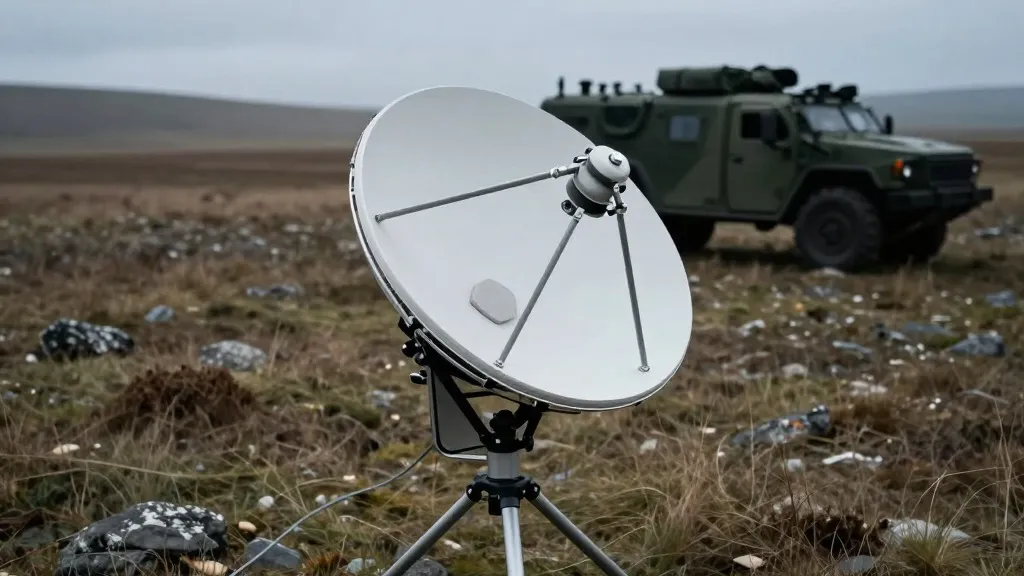
Ukraine is now navigating a critical period where its reliance on Elon Musk’s Starlink satellite service is being tested by growing concerns over the system’s reliability. For several years, the network has been a cornerstone of Ukraine’s successful defense against Russia’s full-scale invasion. However, recent unexpected outages and the visible influence of Musk’s political preferences on service delivery have raised urgent questions. Both the Ukrainian government and its European partners are now scrambling to determine how to maintain connectivity if the satellite support falters.
The Starlink network currently stands as the largest communications satellite constellation in the world. It provides high-speed Internet and data streams to any user or vehicle equipped with a compact terminal. This infrastructure has been vital for maintaining civilian communications and supporting military operations. Specifically, the network has expanded the Ukrainian military’s ability to remotely control drones and provide real-time guidance. These drones are essential for both air defense against Russian attacks and for striking targets deep within Russian territory.
Industry insiders note that the system remains difficult to replace in the short term. The head of hardware research and development at the Ukrainian defense company BlueBird Tech stated that Starlink offers some of the best satellite coverage available. This assessment comes from an anonymous source who provided comments for security reasons. The executive noted that when considering the combination of cost, availability, and ease of use, the network has virtually no competitors.
Despite its strengths, the system has practical limitations. The BlueBird Tech representative explained that the primary constraint is the physical requirement to position the antenna correctly. Users must align the hardware to receive signals from the satellites effectively. This physical dependency remains a key factor in how military and civilian units deploy the technology across the battlefield and in urban centers.
Financial support for the network has come from multiple international sources. The United States government, along with European nations such as Poland and Germany, has paid SpaceX for tens of thousands of commercial Starlink terminals. These nations have also covered the associated subscription fees to keep the service active for Ukrainian users. This collective funding has allowed the system to scale rapidly to meet the demands of a modern war effort.
Beyond the commercial hardware, Ukraine has gained access to more specialized technology. The US government has provided the Ukrainian military with access to a military-grade version of the service known as Starshield. This advanced tier offers enhanced capabilities tailored for defense applications. The availability of this system represents a significant step in integrating satellite technology directly into the military command structure.
Ukrainian defense companies are also actively engaging with these new tools. According to the BlueBird Tech representative, local firms can test their own technologies in cooperation with the military using the Starshield platform. This collaboration allows for rapid iteration and integration of satellite data into indigenous defense systems. The partnership aims to ensure that the military can leverage the most advanced communication tools available.
The current situation highlights a broader strategic tension. While Starlink has proven to be a powerful asset, its dependence on a single commercial provider creates vulnerability. The recent disruptions have underscored the risks involved when political factors influence technical infrastructure. As a result, European and Ukrainian leaders are likely to explore diversifying their communication networks to ensure long-term operational security.
The path forward will likely involve a mix of continued support for Starlink and the development of alternative systems. The urgency to find solutions is driven by the need for uninterrupted data streams in a high-stakes conflict. As the war continues, the balance between commercial convenience and strategic independence will remain a central issue for Ukraine and its allies.