California sets lower plastic baseline, reducing required cuts
CalRecycle adopted a 1.03 million ton figure for 2023, cutting the 2032 reduction target to 250,000 tons.
By Olivia Miller ·
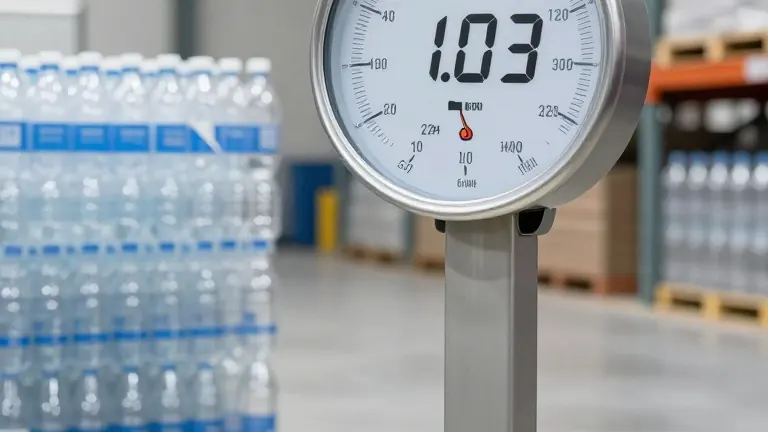
CalRecycle adopted a 1.03 million ton source reduction baseline on Monday, a figure that determines how much single-use plastic California must remove from the market under Senate Bill 54. The new number is 20% lower than the industry's June estimate of 1.29 million tons and one-third of the state's 2024 estimate of 2.9 million tons.
The baseline reflects the amount of single-use plastic produced, distributed, and sold in the state in 2023. Lawmakers based future targets on this metric. Producers and distributors must cut the volume of single-use plastic sold in the state by 25% by 2032. With the new baseline, that requirement translates to a 250,000 ton reduction. Under the state's original 2024 estimate, the same 25% cut would have required removing roughly 725,000 tons from commerce.
Zoe Heller, director of CalRecycle, stated the new number reflects the best available information. She noted that not all producers have reported, and some submissions lacked accuracy. CalRecycle and the Circular Action Alliance, the industry representative body, will continue collecting data and update the baseline annually through 2030.
The first reduction target begins on Jan. 1. Producers must initially cut 10% of the baseline. Using the new figure, that equates to a 100,000 ton reduction. The state's previous estimate would have required a 290,000 ton cut by that date. The Circular Action Alliance did not respond to a request for comment regarding the new figures.
Douglas McCauley, professor of ocean science at UC Santa Barbara, criticized the lack of transparency in the report. He pointed out that the baseline update relied on data from only half of the alliance's member companies. McCauley questioned whether the baseline might double in a future correction or if the current number reflects only large companies, which would limit future changes.
The report also listed 222 billion single-use plastic components for 2023. This figure is more than double the alliance's preliminary June analysis of 108 billion items and exceeds the state's 2024 estimate of 189 billion items. Kyle Meisterling, a project scientist at UC Santa Barbara, noted that the lower weight baseline will skew recycling rates. For high-density polyethylene, the estimated recycling rate would jump from 19% to 53%, despite no increase in the actual amount of material recycled.
Senate Bill 54, signed by Gov. Gavin Newsom in 2022, requires packaging to be recyclable or compostable by 2032. The law assigns responsibility for plastic waste management to producers and manufacturers rather than consumers or local governments. The Circular Action Alliance writes the industry plan, reports producer data, and sets recycling and reduction fees for its members.
More Business · Consumer Alerts · Report a business · Got a Story?