Claire Sorenson’s Austin Backyard Ponds Attract Toads and Birds in Days
The Austin Chapter of the Native Plant Society of Texas says simple containers and rainwater are enough to support aquatic life.
By Olivia Miller ·
Two Gulf Coast Toads appeared on Claire Sorenson’s patio shortly after she installed a small pond in her south Austin yard. Within 24 hours of hearing mating calls at night, she observed strings of eggs in the water and saw tadpoles emerge. The wildlife arrived almost immediately after the ponds were moved to a new home just down the road from her previous residence.
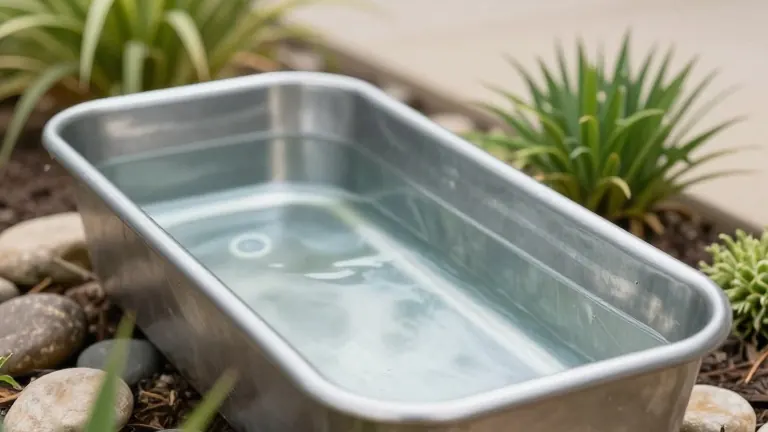
Sorenson, a member of the Austin Chapter of the Native Plant Society of Texas, wrote about the experience in the Fall 2026 issue of Texas Native Plants magazine. She argues that aquatic species are among the first to disappear as water sources deplete. Her method relies on basic components rather than complex infrastructure. She uses metal livestock troughs, plastic liners, or large plastic tubs as containers. The water source is rainwater collected from gutters or tap water left to sit for 24 hours to remove chlorine.
Chlorine is toxic to the aquatic wildlife that visits the ponds. Sorenson recommends removing it with aquarium chemicals or by letting it dissipate naturally. She favors a simple approach to avoid the complication many homeowners fear. The ponds do not require aerators or filters. Native plants oxygenate the water and keep it clean. The more plants grow, the more hair algae is shaded out.
The specific plant list includes Whitetop Sedge, Cardinal Flower, Marsh Obedient Plant, and Halberd Leaf Hibiscus. Other species in the setup are Mexican Primrose Willow, Water Hyssop, Water Willow, and Hairy Water Clover. Pickerelweed and Delta Arrowhead are also part of the planting. These native species provide habitat and food for local fauna. Sorenson notes that even deserts have annual washes or springs, suggesting that small water features fit into arid environments.
Birds were the first visitors to drink and bathe. House Finches, Goldfinches, and Summer Tanagers appeared early. Later visitors included Eastern Phoebes, Robins, Cardinals, and Bluebirds. Insects such as bees and wasps also stop by. Sorenson spotted dragonfly larvae and an adult hovering near the water. Hundreds of unidentified tiny critters swim in the water and cling to the sides of the containers.
Mosquito control is a common concern for pond owners. Sorenson suggests using dunks from hardware stores or introducing mosquito fish. Dunks are harmless to all but mosquito larvae and need to be added once a month. Mosquito fish will eat amphibian eggs and tadpoles, so dunks are preferred if the goal is to support amphibian reproduction. Rocks stacked inside and outside the pond create ramps for animals to enter and exit. They also provide crevices for plants and perches for birds.
Tadpole care is minimal. Sorenson does not feed them. Young tadpoles eat algae, while older ones consume small bugs in the pond. Toad eggs hatch within 24 to 48 hours. The young develop legs and leave the pond in about 20 to 30 days. Frogs take longer to develop. A small floating solar fountain can be added to attract birds, though it is not required for water quality.
A rainwater collection system supplies the ponds. Sorenson connects 55-gallon barrels to gutter downspouts using 3-inch PVC pipes. The barrels are not white to prevent algae growth. A filter basket at the top of the downspout keeps debris out. A small pump or gravity from a raised platform moves the water to the ponds. This setup has functioned for years to fill ponds and water gardens.
Round Rock water customers can apply for a rebate for rainwater collection systems. Sorenson points to Hill Country Water Gardens near Austin and Green Star Wetland Plant Farm near Houston for purchasing water plants. She encourages homeowners to add water features regardless of location. Aquatic species require fresh water sources just as much as other wildlife.