Congressional Cemetery Hires Death Doula to Facilitate Conversations on Mortality
Laura Lyster-Mensh uses tea, cookies, and a specialized card deck to encourage visitors to discuss death openly at the D.C. landmark.
By Olivia Miller ·
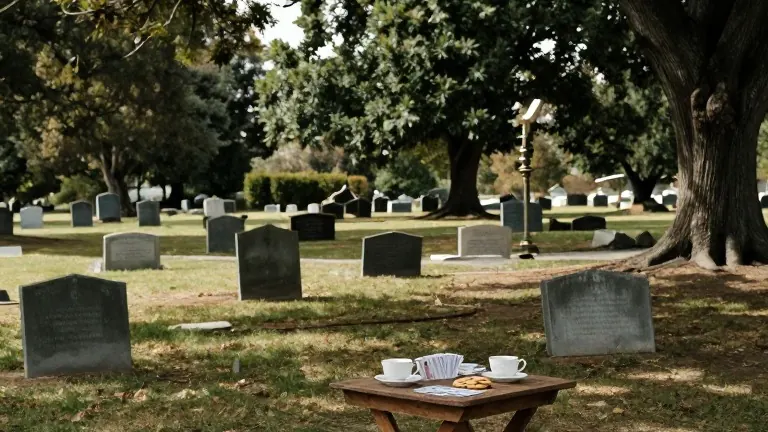
Laura Lyster-Mensh now works as the death doula for Historic Congressional Cemetery in Washington, D.C. The national landmark hired her to help visitors discuss mortality, a move that may be the first of its kind for such an institution.
Lyster-Mensh defines her role as promoting what she calls "death positivity." She spends her time walking with visitors through the grounds, encouraging them to speak about death without fear. She describes the dialogue as sometimes awkward but driven by curiosity.
She acknowledges that the term "death positivity" can feel insensitive to people who are grieving. However, she argues that the concept is actually about improving the quality of life. She believes that recognizing death as a boundary makes life feel more precious and helps individuals feel better about their daily existence.
Her work involves hosting regular events known as death cafes. During these gatherings, she serves tea and cookies while introducing a deck of cards called the death deck. The cards are designed to trigger conversations about end-of-life care and personal mortality.
Lyster-Mensh notes that many people initially resist the topic. They often say they do not want to talk about death. However, once they draw a card from the deck, they begin sharing personal insights. She says these interactions lead to real conversations that people often avoid until it is too late.
In addition to the cards, she provides general advice on how to live. She suggests that people slow down because they tend to rush through both grief and happy moments. She warns that trying to hoard positive experiences prevents individuals from being truly present in the moment.
The position supports the wider practice of end-of-life doula work, which includes planning final moments and offering rest to exhausted caregivers. At the cemetery, the focus remains on open communication and helping visitors process their thoughts on death in a public setting.