Czech Lawmakers Advance Plan To Move Public Media Costs To The State Budget
A proposal to eliminate a household broadcasting fee and redirect funding through the state budget has cleared an initial parliamentary hurdle, despite warnings about threats to editorial independence.
By Olivia Miller ·
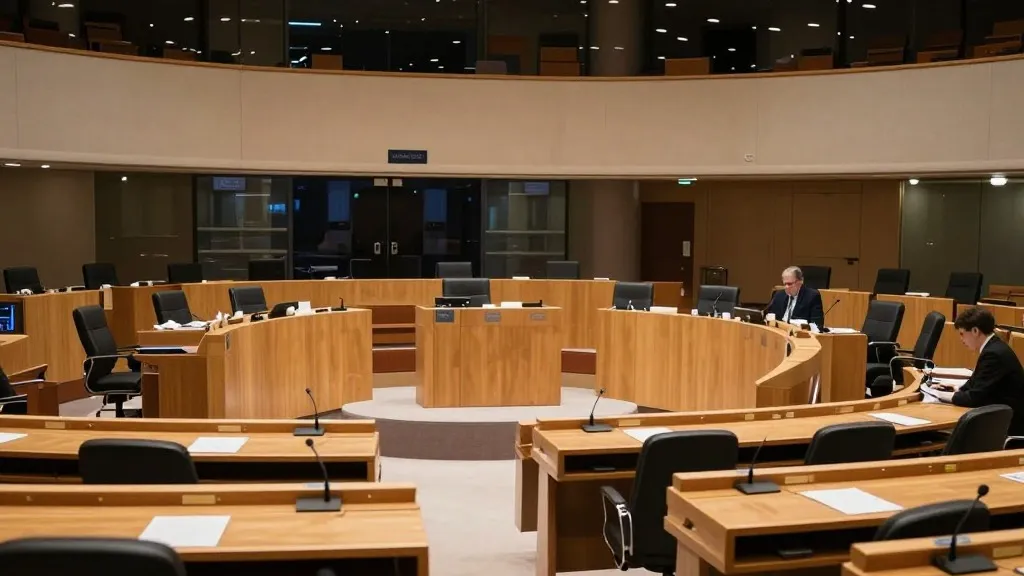
In an overnight session concluding early on October 24, 2026, lawmakers from the Czech Republic's governing coalition voted to advance a bill overhauling how public media is funded. The measure was referred to parliamentary committees for further debate. The decision moves forward a plan that critics argue could weaken the autonomy of national broadcasters.
The proposal centers on abolishing the current 205 crown ($9.45) fee paid by households. Under the new plan, funding for Czech Television and Czech Radio would be sourced from the state budget instead. The legislation also outlines a reduction in funding for these broadcasters of about 15 percent, after which nominal funding would remain flat for several years.
The government, led by Prime Minister Andrej Babis and supported by the far-right SPD party, has frequently criticized media coverage of its policies. Babis pledged to eliminate the household fee before taking office in December 2025, stating that his administration is fulfilling a promise to voters. He has defended the new model as fairer to lower-income households and argued it would encourage outlets to operate more efficiently. In a Facebook post on October 23, he rejected claims that the changes endanger press freedom, writing, "There is no war for independent media. There is no fight for democracy and no nationalisation of media is being prepared."
Opponents remain skeptical of the government's assurances. Opposition parties have compared the legislation to reforms implemented under Hungary's former prime minister, Viktor Orban. Staff at the public broadcasters have also raised alarms, staging a strike in June to protest the shift in funding structure. They argue that tying their budget to the state would make them vulnerable to political pressure. The stakes are significant because public media holds a prominent place in Czech life, ranking among the most trusted news sources, with Czech Television serving as the most-watched broadcaster across several age groups.
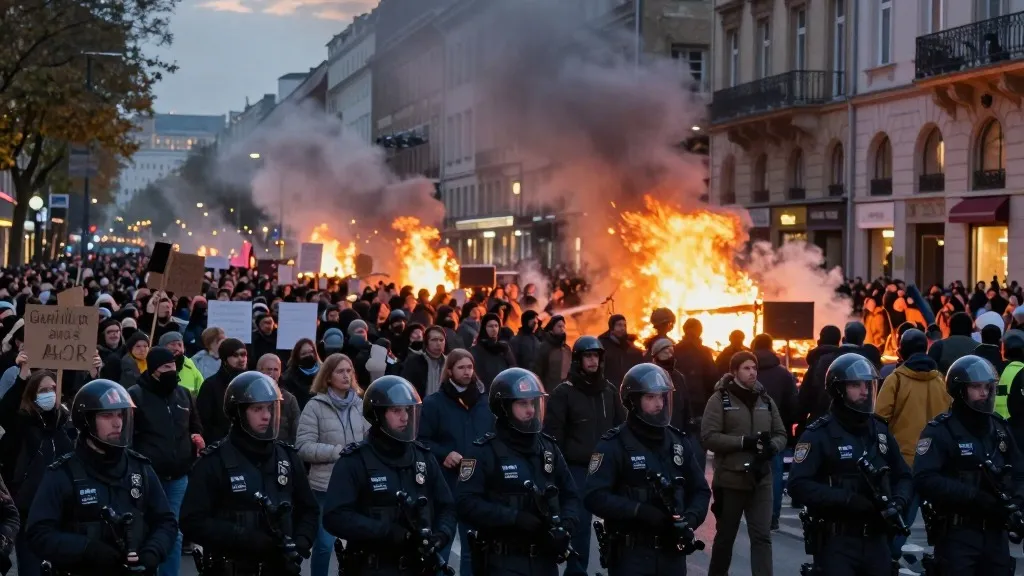
Resistance to the plan is continuing. A civic group has organized a public demonstration for October 25, and journalists and other employees at the broadcasters have announced a strike scheduled for November 3. The bill must still navigate committee discussions before facing a final vote.
The debate highlights a broader tension regarding the relationship between political leadership and public broadcasting. As the proposal moves forward, the government maintains that the changes are a matter of efficiency and fairness, while opposition figures and media workers warn of potential risks to the independence of the nation's news organizations.