FDA panel votes to allow pharmacies to sell unapproved peptides
A temporary policy shift permits licensed pharmacies to dispense experimental compounds despite safety concerns raised by agency scientists.
By Noor Phillips ·
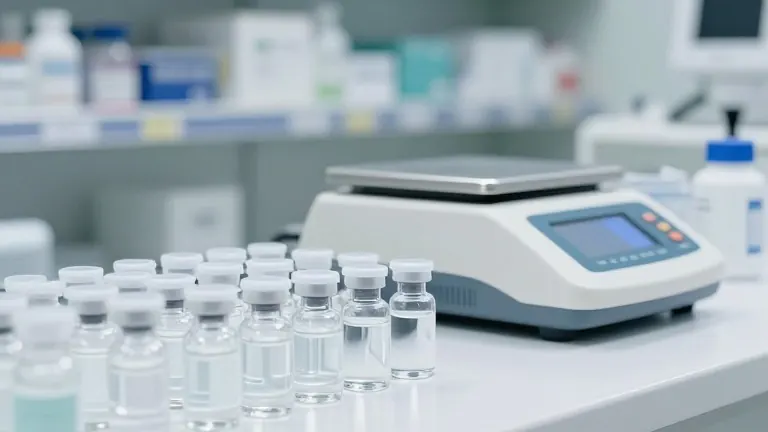
The U.S. pharmaceutical market is shifting as regulatory bodies consider new pathways for unapproved compounds. On Oct. 14, a temporary access policy was posted to a White House docket, proposing that licensed pharmacies be allowed to manufacture and sell specific unapproved peptides to patients.
This move directly contradicts advice given by FDA scientists in July. At a previous meeting, agency experts warned that these drugs had not been adequately vetted in clinical trials. Despite this recommendation, an advisory panel voted to loosen restrictions on the substances.
The panel that cast the vote includes several new appointees with financial interests in the peptide industry. In an email, Department of Health and Human Services spokesperson Emily Hilliard stated that every committee member satisfies the agency's ethics requirements.
Haleem Mohammed, a new committee member and chief medical officer of Gameday Men's Health, voted in favor of the change. He told the FDA meeting that he voted yes for patient safety, the greater good, and medical freedom. His clinic sells peptides to men.
The FDA is currently considering lowering restrictions on BPC-157 and five other experimental peptides. These compounds have not undergone high-quality clinical trials and lack formal approval. Katrin Svensson, a peptide scientist at Stanford University, noted that while she is excited about peptides, researchers must demonstrate they are not harmful.
Proponents often argue that peptides are safe because they are natural. However, BPC-157 was isolated from gastric juices and is not found in the human genome. Svensson pointed out that natural substances can still be toxic, citing insulin as an example of a natural peptide that can be lethal in high doses.
Kris Wusterhausen, a panel appointee and founder of an antiaging company, has claimed BPC-157 treats reflux disease and neurologic disorders. Clinical evidence for these claims remains limited. A 2025 review by Flynn McGuire, a physical rehabilitation doctor at the University of Utah, warned that BPC-157 should be approached with caution due to a lack of data.
McGuire said he will not prescribe the peptide until quality studies are completed. He noted that while patients want quick solutions, medicine does not operate on that timeline. The FDA has found that existing studies on BPC-157 often lack control groups or critical methodological details.
A common argument against regulation is that peptides cannot be patented. This is a misconception. The U.S. Patent and Trademark Office lists hundreds of peptide patents. Jacob Sherkow, a law professor at the University of Illinois Urbana-Champaign, explained that while natural substances cannot be patented, modified formulations can.
The market for GLP-1 peptides, which power drugs like Ozempic, is projected to reach $190 billion within the next decade. Pharmaceutical companies are currently litigating over these patents. Pinchas Cohen, a scientist at the University of Southern California, said investors pulled out of funding trials for his peptide MOTS-c because they feared competition from GLP-1 medications.
PhRMA, the pharmaceutical trade organization, sent a letter to the FDA advising against easing restrictions. The group stated that the policy would erode incentives for manufacturers to undertake the time and cost required for approval. The U.S. spends more on healthcare per person than any other nation, yet ranks below other wealthy countries in life expectancy.
Six in 10 U.S. adults worry about affording prescription drugs, according to a recent KFF poll. Four in 10 said they have skipped doses due to price. The current regulatory shift aims to increase access but leaves questions about long-term safety unresolved.
More Business · Consumer Alerts · Report a business · Got a Story?