Google Apologizes as Displaced Wolves Enter Finnish Villages Near New AI Sites
The tech giant has halted work after unauthorized forest clearing forced local wolf packs to seek food in nearby residential areas.
By Fatou Kim ·
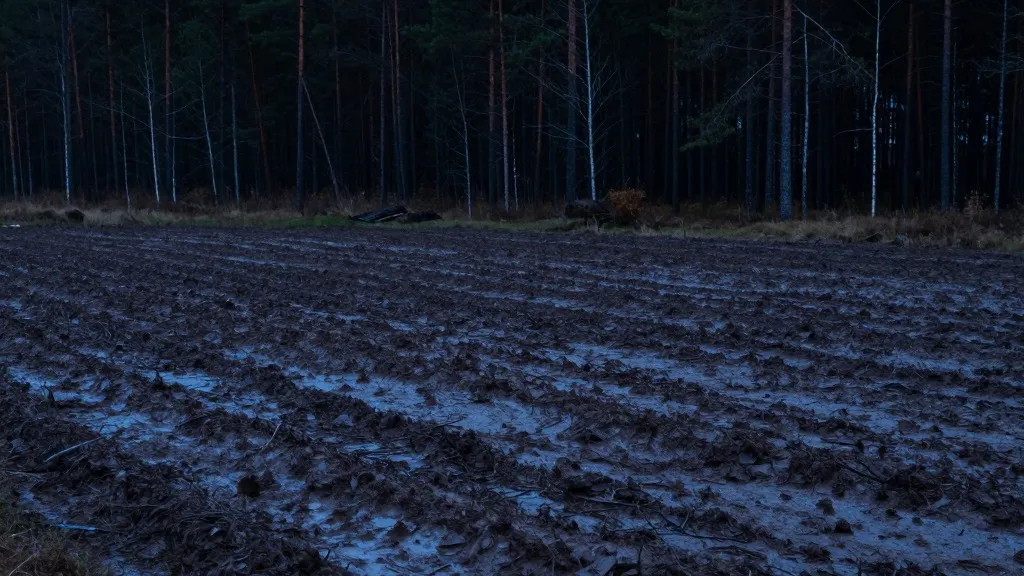
Google has issued a formal apology for unauthorized deforestation in Finland, a move that has left thousands of acres of land as muddy terrain and displaced local wolf populations. The company’s Finland country manager admitted that the clearings near the village of Muhos were not fully permitted, resulting in the transformation of 816 acres of forest into an open expanse of mud. In a separate location roughly 55 miles southeast of the village of Otanmäki, regulators have ordered the tech giant to cease all work on another approximately 500 acres of cleared land. These actions were taken in response to community concerns and regulatory oversight regarding the rapid expansion of the company’s infrastructure.
The most immediate consequence for nearby residents is the shift in local wildlife behavior. Wolves that previously inhabited the dense forests are now roaming into neighboring villages in search of habitat and food. Anni Ranta, 53, a resident of Otanmäki whose family has lived in the area for generations, described the situation as a direct result of the animals being pushed out. “We had wolves coming into the village because all the wild animals moved out of the forest,” Ranta explained. Her family is not the only one affected, as other locals have reported sightings of wild animals entering the countryside, raising significant safety concerns for those living near the construction zones.
Local frustration is high, with many residents feeling that Google rushed through the process to build new AI data centers while overlooking standard environmental regulations. The Finnish Licensing and Supervision Authority, known as LVV, agreed with the local assessment and issued orders for Google to stop development near both Muhos and Otanmäki. A representative from the Finnish Association for Nature Conservation characterized the company’s handling of environmental policy as unprecedented and clearly in violation of established guidelines. While the tech giant is known for similar projects globally, the scale of the disruption in Finland has drawn particular scrutiny from both environmentalists and the general public.
Beyond the wildlife displacement, residents have complained about various other side effects of the construction. These include constant noise from factories and heavy machinery, local streams turning brown due to runoff, and the displacement of rare bird species. Ranta also expressed a separate geopolitical concern, fearing that the presence of massive U.S.-owned data centers could make Finland a more attractive target for Russian aggression. These diverse grievances suggest that the opposition to the project is broad, extending beyond pure environmentalism to include practical living conditions and regional security perceptions.
Despite the regulatory halt and public criticism, a Google spokesperson maintained a positive outlook on the company’s relationship with the region. “We will fully comply with LVV’s requests in this matter,” the spokesperson stated. “We look forward to maintaining an active, open dialogue with all authorities to strengthen our partnership with Finland and local organizations.” The company appears to be banking on the long-term business benefits of its AI infrastructure to maintain its standing with local regulators and the Finnish government.
This incident follows a notice issued earlier this month by the Finnish government, which initially alerted Google to stop its construction activities in Muhos and the Kajaani area. The current situation highlights the growing tension between the rapid global demand for AI computing power and the environmental and social costs borne by local communities. As the tech industry continues to expand its physical footprint, the case in Finland serves as a prominent example of how infrastructure projects can alter local ecosystems and community dynamics.
The ongoing situation remains a focal point for both tech observers and environmental groups. With work paused and wolves now visible in residential areas, the next steps in the dialogue between Google, local authorities, and residents will be closely watched. The resolution of this dispute may set a precedent for how large-scale AI data center projects are managed in ecologically sensitive regions.