Oxford transfers 39 Naga ancestral remains to Indian tribal leaders
The Pitt Rivers Museum handed over skulls taken during the colonial era for burial in a new memorial in Nagaland.
By Olivia Miller ·
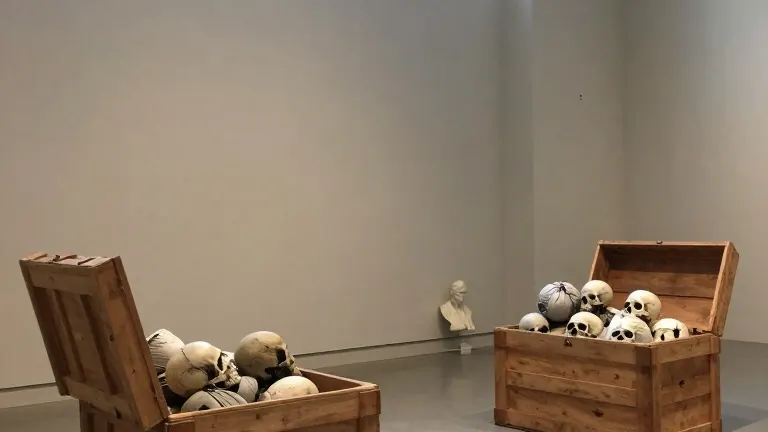
The University of Oxford transferred the remains of 39 Naga ancestors to tribal delegates on Monday at the Pitt Rivers Museum. This action concludes a formal request made by a Naga delegation during a visit to Oxford in 2025. The museum confirmed the return of these specific items in September, distinguishing them from its wider holdings.
Approximately 30 representatives from Nagaland attended the ceremony to receive the artifacts. The collection consists primarily of skulls that will be transported to the mountainous state in north-eastern India. Tribal leaders stated their intention to provide a respectful resting place for the ancestors. Current plans involve burying the remains beneath a joint memorial located in a state park.
Director Laura Van Broekhoven noted that the event would be preserved in stories for future generations. She also detailed the administrative hurdles resolved before the journey could begin. The items had been on public display for decades until 2020. At that time, the museum removed them as part of a decolonization process.
The Pitt Rivers Museum holds over 6,000 objects linked to Naga culture, a collection considered the largest in the world. Most items were acquired during British colonial rule in India and Myanmar. The museum's records classify 219 items as human remains. These were added between 1910 and 1940, largely by two colonial administrators who also served as anthropologists.
Institutional accounts indicate that objects were frequently seized during punitive military expeditions rather than gifted voluntarily. During their stay in Oxford, members of the Naga delegation met descendants of one of the anthropologists involved in the original collection. This meeting occurred alongside the formal handover proceedings.
Tribal leader Thejao Vihienuo expressed ongoing uncertainty regarding the specific circumstances of the removals. He questioned whether families would have willingly presented the skulls of fathers or grandfathers as gifts. Anthropologists note that Naga communities historically kept the heads of chiefs in village centers and took enemies' heads as trophies through head hunting.
The Pitt Rivers Museum, founded in the 19th century, has previously returned human remains to indigenous communities in Australia, New Zealand, and the United States. The transfer of the 39 Naga remains marks the latest step in this ongoing repatriation effort.