Autonomous Mobility: Cybercab Sales Begin This Year
Tesla has confirmed that its steering-wheel-less vehicle will reach private customers before the end of 2026, though most units will remain in company-owned fleets.
By Fatou Kim ·
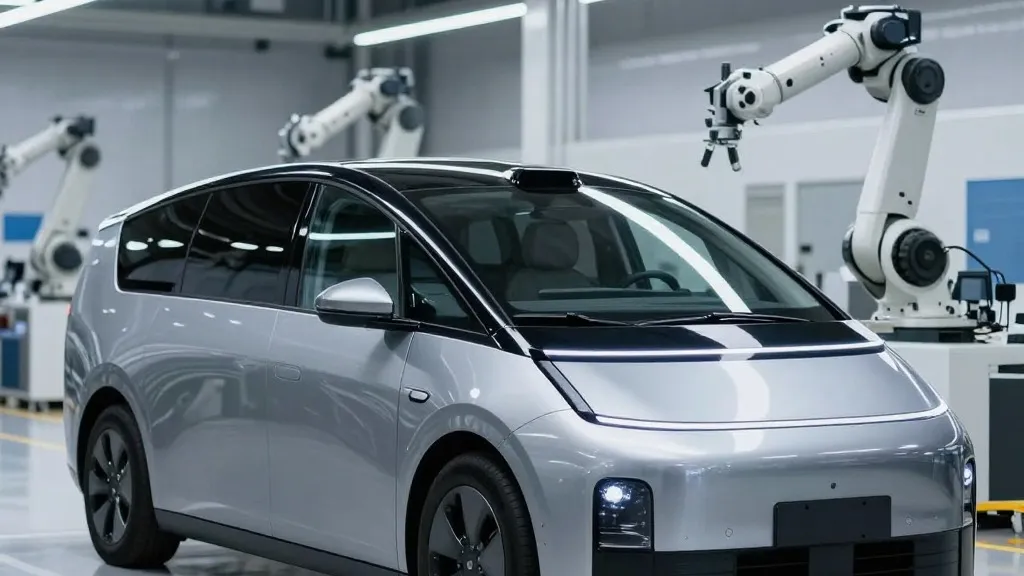
The long-running uncertainty surrounding the purchase timeline for Tesla’s autonomous two-seater has finally been resolved by company leadership.
During the third-quarter 2026 earnings call held on October 21, Lars Moravy, the Vice President of Engineering, announced that the company intends to begin delivering the Cybercab to private customers before the year concludes. This statement puts an end to speculation regarding whether the vehicle would be available in the near term. Moravy noted that production is currently active on the line at Gigafactory Texas. However, he clarified that all units currently coming off the line are being allocated to Tesla’s internal Robotaxi fleet rather than individual buyers.
As operations scale, the strategy is to shift focus toward delivering fully designed autonomous vehicles directly to customers, with the Cybercab serving as the first example of this approach. Initial deliveries to private owners will be modest in volume. This cautious rollout is designed to allow the company to gain experience in several key areas, including delivery logistics, various ownership models, fleet management, and the operational nuances of managing autonomous vehicles that are no longer under direct corporate control.
CEO Elon Musk reinforced the idea that private sales will be a limited portion of the total output. He described the Cybercab primarily as a service offering rather than a traditional personal vehicle like the Model 3, Model Y, or the upcoming Roadster. Musk stated that the vast majority of these units will be owned by Tesla and operated as a transport-as-a-service network. This distinction highlights a shift in how the company views the primary value proposition of its newest model.
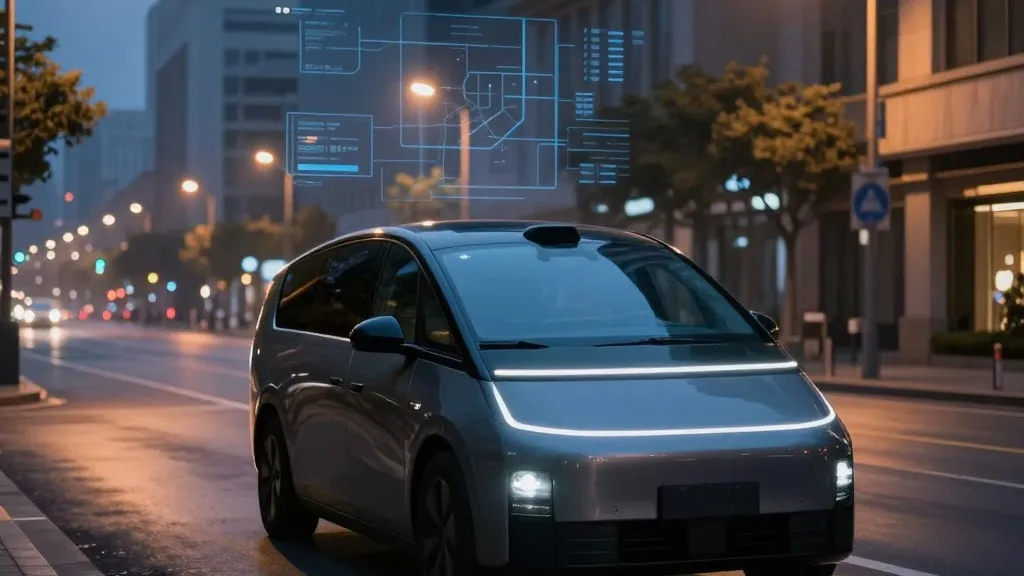
The Cybercab is a two-seat vehicle that features no steering wheel or pedals, relying entirely on Tesla’s Full Self-Driving technology. Production of the vehicle began in February, and early units entered the public Robotaxi service in early September. The company has previously suggested a target price of approximately $30,000 for the vehicle. This pricing strategy is intended to support its role as an affordable mass-market autonomous ride.
Looking ahead, Ashok Elluswamy, Tesla’s Head of AI, indicated that unsupervised Full Self-Driving is expected to ship to consumer cars during the second quarter of 2027. Early buyers or fleet operators may encounter vehicles with geographically restricted autonomous capabilities due to the pace of regulatory approvals. These regulatory hurdles remain a significant factor in the broader rollout of the technology.
The confirmation of a year-end delivery date marks a pivotal moment for the automaker. It signals a transition from a purely internal fleet operation to a mixed model that includes private ownership. This move allows Tesla to test consumer sentiment and operational stability in a controlled manner before scaling up private sales significantly.
More Business · Consumer Alerts · Report a business · Got a Story?