Tesla Q3 2026: Profit Slips as AI Spending Outpaces Revenue Growth
The automaker beat earnings estimates but saw operating income drop 56% year-over-year due to heavy investment in artificial intelligence and new vehicle programs.
By Fatou Kim ·

Tesla delivered a mixed financial report for the third quarter, showing that while top-line revenue held steady, the cost of scaling its technology ambitions is eroding profitability.
The company reported $28.05 billion in revenue after the market closed on Tuesday, a figure that matched Wall Street expectations of $28.06 billion. This amount was essentially flat compared to the same period last year and slightly lower than the previous quarter. Non-GAAP earnings per share came in at $0.48, exceeding the consensus estimate of $0.45, although the figure still represents a 4% decline from the prior year.
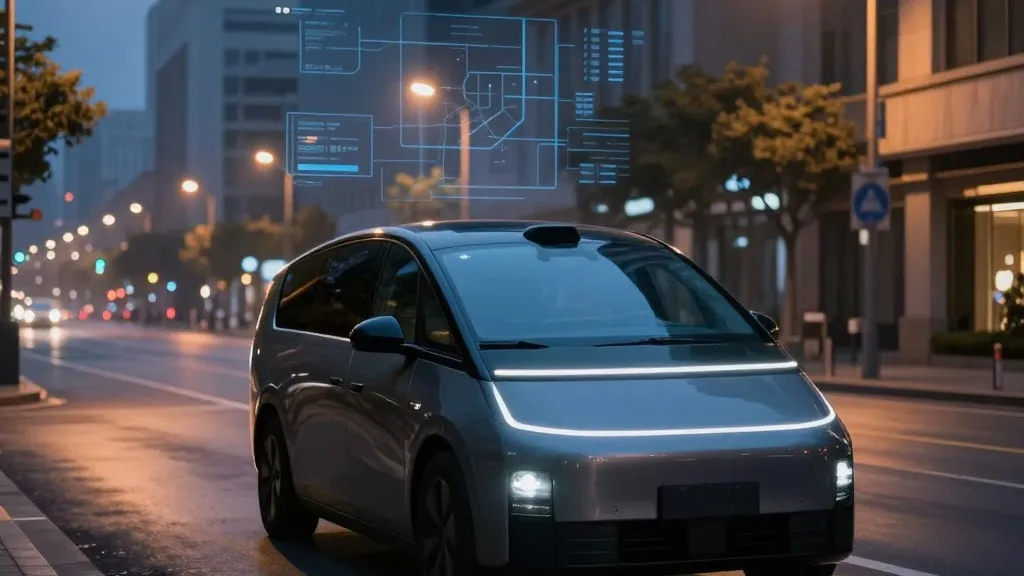
The most significant pressure on the income statement came from operating expenses, which surged 39% year-over-year to $4.78 billion. Research and development costs jumped 69% to $2.76 billion, driven by heavy spending on the company's Super Intelligence initiative, the Optimus humanoid robot, and the Cybercab. This spending growth outpaced gross profit, causing operating income to fall 56% to $718 million. Consequently, the operating margin compressed to 2.6%, down from 5.8% a year ago, though it improved from the 1.4% reported in the second quarter.
Capital expenditure reached $4.73 billion, more than double the amount spent in the same quarter last year. Despite this heavy outlay, free cash flow remained positive at $1.53 billion, a sharp recovery from the negative $1.09 billion recorded in Q2. The company ended the period with $45.4 billion in cash and investments. GAAP net income dropped 43% to $787 million, a figure that included a $288 million unrealized gain on its bitcoin holdings, partially offset by a loss on its SpaceX equity stake.
Automotive gross margin excluding regulatory credits recovered to 18.1%, up from 16.3% in the second quarter and 15.4% in the prior year. Tesla attributed this improvement to a better regional and product mix, as well as increased revenue from Full Self-Driving subscriptions, which helped offset declining average selling prices. Regulatory credit income fell 73% to $113 million, reflecting the gradual drying up of that revenue stream.
The energy segment showed mixed results, with revenue down 16% to $2.88 billion despite a 10% increase in storage deployments. The company cited tariff-related customer refunds for the revenue decline. However, energy gross margin improved significantly to 33%. Services and other revenue grew 33% to $4.61 billion, driven by record gross profit from charging, insurance, and parts sales.
Management stated that battery availability remained the primary constraint on vehicle production, noting that the company ended the quarter with its largest passenger vehicle backlog in four years. Deliveries totaled 486,532 units, down 2.1% year-over-year, while production was lower at 464,391 units. This production gap helped reduce inventory to 11 days of supply. The company also reported 1.74 million active FSD subscriptions, a 67% increase, and nearly 2 million cumulative unsupervised miles for its Robotaxi service.
With $13.01 billion in capital spending for the first nine months of 2026, Tesla is currently behind its annual guidance of over $25 billion. To meet that target, the company would need to spend approximately $12 billion in the fourth quarter, more than double its highest quarter to date. The shareholder letter did not update this guidance, leaving investors to wonder if the 2026 plan is slipping into 2027.
The earnings call with management is scheduled for 5:30 p.m. ET, where further details on the financial results and strategic outlook will be discussed.
More Business · Consumer Alerts · Report a business · Got a Story?