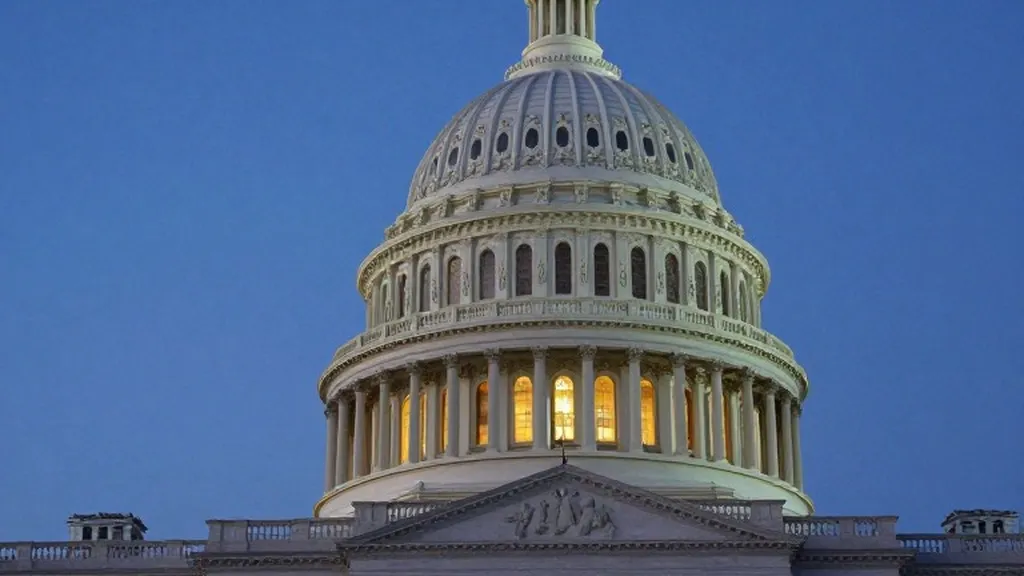
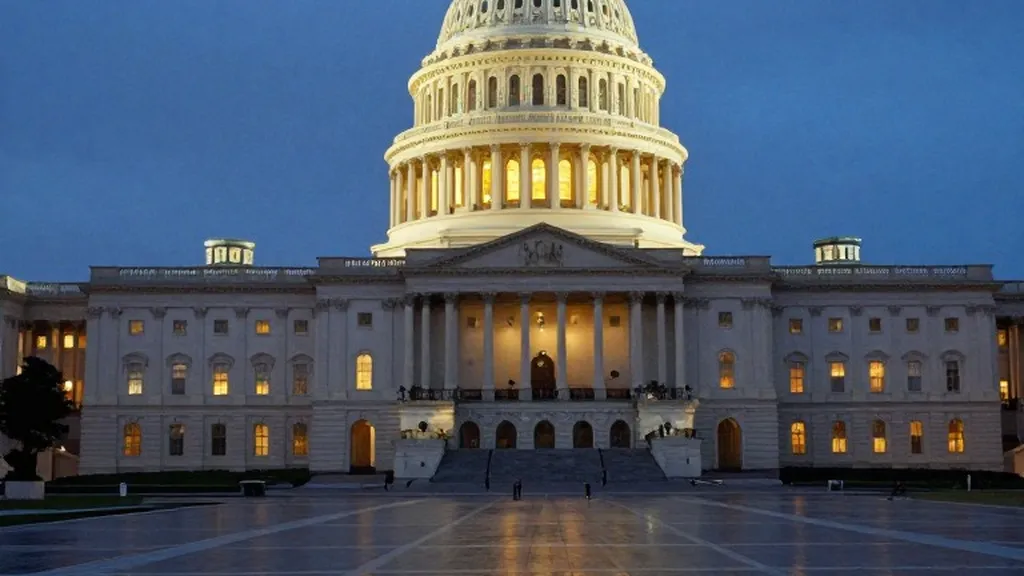
Democrats seize House with 238 seats, reshaping the balance of power
A net gain of 23 seats gives Democrats a 218 to 214 lead, a margin that relies on the 46 battleground districts and new maps in seven states.
By Olivia Miller ·
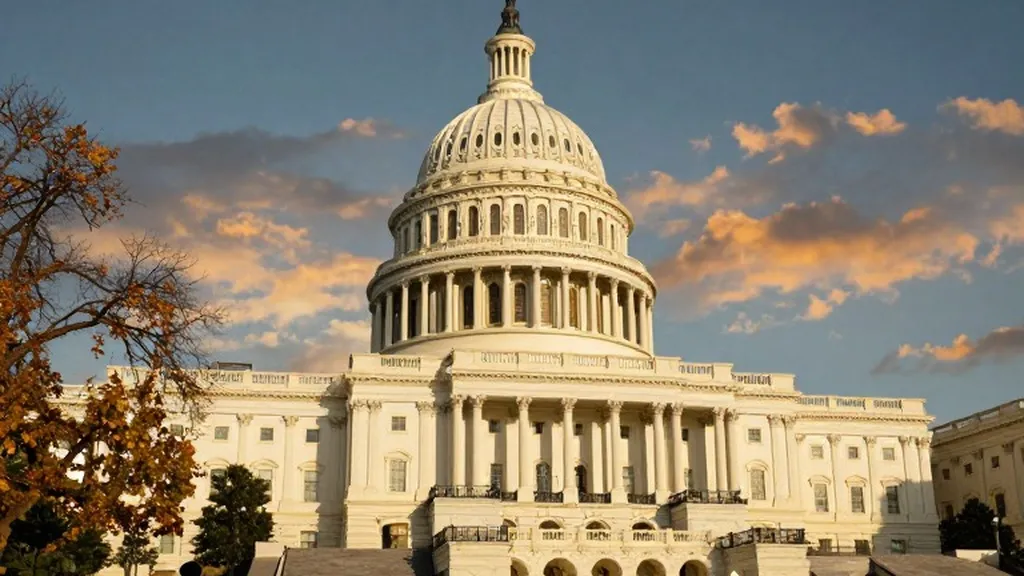
The United States House of Representatives is now controlled by the Democratic Party following the midterm elections held on November 3, 2026. Democrats have won 238 of the 435 contested seats, while Republicans have secured 146 seats. As of the latest updates on November 5, 51 races remain uncalled, but the mathematical threshold for a majority has been crossed. This shift marks a significant change from the previous cycle, where Republicans held a 220 to 215 majority in the chamber.
The new control of the House rests on a narrow margin of four seats, with Democrats holding 218 seats compared to the 214 held by Republicans. This three-seat net change in the overall tally, which results in a four-seat majority advantage, underscores the competitive nature of the election. Voters, driven by concerns over high prices and the war in Iran, cast their ballots in what was widely viewed as a referendum on the current administration. The outcome reflects a clear preference for a change in leadership within the legislative branch.
The path to this majority was heavily influenced by the performance in 46 battleground districts identified by Ballotpedia. These races accounted for 12% of all House contests and were the primary sites of contention between the two parties. Democrats held 25 of these battleground seats prior to the election, while Republicans held 21. The results in these specific districts determined the final balance of power, as the national trend favored the party seeking to gain control of the chamber.
A key factor in the election's outcome was the implementation of new congressional maps in seven states. California, Florida, Missouri, North Carolina, Tennessee, and Texas used different district boundaries for the 2026 election than they did in 2024 due to voluntary mid-decade redistricting. Additionally, Ohio used a different map due to state law, while Alabama, Louisiana, and Utah utilized new maps resulting from litigation. These changes altered the competitive landscape in numerous districts, providing opportunities for candidates who previously faced more challenging electoral environments.
Republican leaders had spent the campaign attempting to defend their seats in areas where President Donald Trump won the 2024 presidential election. There were 21 Democratic-held House districts up for election in states that Trump carried in 2024, making these races critical for the Democrats to maintain a base of support in traditionally Republican territory. Conversely, there were nine Republican-held districts in states won by Kamala Harris in 2024. The results in these polarized environments contributed to the overall partisan shift observed in the final tallies.
Record Election Day diesel and gasoline prices played a role in pushing voters toward Democrats. Exit polls indicated that the cost of living was a primary concern for many Americans, with voters citing financial hardship as a key reason for their choices. Three-quarters of voters described the economy as not so good or poor, and about eight in ten said inflation had caused severe or moderate financial hardship. This economic dissatisfaction aligned with the broader trend of dissatisfaction with the country's direction, which was a major theme throughout the campaign.
Democratic leaders have already begun outlining their plans for the new majority. Representative Hakeem Jeffries of New York, who is in line to become the House speaker, has not ruled out further investigations into the administration. Senior Democrats have vowed to use the subpoena powers and larger investigative staffs that come with their majority to probe issues of corruption and self-enrichment. The Republican president and his White House have denied wrongdoing, but the new control of the House provides the Democrats with the tools to conduct a more detailed oversight of executive branch actions.
The election results also reflect a shift in voter demographics and geographic trends. The 2026 midterms saw a significant swing among Latino voters, with many moving back toward Democrats in areas such as Texas, Kansas, and Arizona. This demographic shift contributed to the Democratic gains in several battleground districts. The unprecedented national Republican effort to reshape House districts was described as having failed, as the party's intended defensive strategy was swept aside by a strong Democratic turnout and performance in key competitive areas.
The margin of victory in the House is particularly significant because it comes against a backdrop of high expectations for the Republican party. Republicans held a substantial advantage in the 2024 elections, gaining a 220 to 215 majority. In 2026, Democrats needed to gain a net of three districts to win a majority, while Republicans could lose no more than two districts to retain control. The final result, with Democrats gaining a net of 23 seats, far exceeded the minimum requirement for a majority, indicating a broad-based shift in voter preference rather than a narrow, close contest.
The new House leadership will face immediate challenges in setting an agenda for the upcoming two-year term. Members elected in the regularly scheduled elections on November 3, 2026, will begin their terms on January 3, 2027. The narrow margin of control means that every vote will be crucial in passing legislation. With 51 races still uncalled as of the latest reports, the final numbers may shift slightly, but the Democratic control of the House is considered secure. The focus now turns to how the new majority will work with the Senate to advance its legislative priorities and conduct oversight of the executive branch.