Voters prioritize prices and economy in AP-NORC poll
Polling data shows economic concerns dominate the midterm ballot as turnout surges.
By Olivia Miller ·
High prices and the state of the economy have emerged as the primary concerns for voters on Election Day. 25 percent of U.S. Adults approve of President Donald Trump's handling of the economy. This figure is lower than his overall job approval rating of 35 percent. The survey indicates that about seven in ten adults say the country is heading in the wrong direction. Most respondents in the poll blamed the president for high prices.
These numbers provide context for the midterm election, which is being described as a referendum on Trump's second term. Voters are struggling with high prices and are angry over an unpopular war with Iran. The economic mood is influencing races across the country where control of Congress is at stake. Democrats need a net gain of three districts to take the House of Representatives. They need a net gain of four seats to take the Senate. Republicans are bracing for potential losses in the House while fighting to hold the Senate.
In Raleigh, North Carolina, the economic strain is palpable for some voters. James Moore, a 57-year-old librarian, expressed his frustration with the rising cost of living. He stated that he is paying more taxes and more for healthcare and everything else. Moore's comments reflect a broader sentiment among independent and Democratic-leaning voters in swing states. The AP highlighted that the AP-NORC poll shows a significant portion of the public is dissatisfied with the current economic trajectory. This dissatisfaction is driving high turnout numbers in key battlegrounds.
Conversely, in Palm Beach Gardens, Florida, some voters remain supportive of the president's economic policies. Mark Barker said he has been following Trump the whole time and believes he is doing an awesome job. Barker's perspective represents the base support for the Republican Party in states that voted for Trump in 2024. Republicans are trying to beat the historical midterm pattern where a president's party loses seats. They are relying on strong turnout in states like Florida and Texas to maintain their congressional majorities.
The economy is a decisive factor in the 2026 elections. With more than 57 million people having already voted as of Monday, the early vote surpassed the total from four years ago in many closely watched states. This surge in participation is driven by voters who feel the economic stakes are high. One or two seats could tip either chamber of Congress. The outcome will determine who controls the legislative agenda for the final two years of Trump's term.
In the Senate, the race for control is particularly tight. Thirteen races are rated as battlegrounds by various forecasting groups. Maine is considered a toss-up, with economic strain and tariffs making the state competitive. In North Carolina, the race between Democratic former Governor Roy Cooper and Republican Michael Whatley is seen as a key test of the national mood. Thom Tillis retired after clashing with Trump, opening the seat. The result in North Carolina could signal how voters across the South feel about the administration's economic record.
An analysis of advertising data shows that 88.1 percent of Republican general election TV ad spending went to states and districts Trump won in 2024. This strategy reflects the party's focus on defending its base in economically strong states. Democrats, meanwhile, are focusing on districts where voters are more likely to blame the president for high prices. Democratic committees are cautiously optimistic about their chances in the House. They believe that economic dissatisfaction will drive enough voters to their side to secure a majority.
The mood in the country is also shaped by the ongoing war with Iran, which the AP described as unpopular. Voters are weighing this foreign policy issue against their domestic economic concerns. The AP-NORC poll shows that while the economy is the top issue, the war is a significant factor in voter sentiment. The combination of these issues has created a volatile political environment where both parties are vying for control. The outcome of the election will have immediate implications for the direction of U.S. Policy.
As polls open across the country, voters are casting their ballots in a wide range of states. The election is likely to be the most expensive in history. Republican committees outraised and outspent Democratic committees, helped by Trump-affiliated groups and Elon Musk. However, at the candidate level, Democrats outraised their opponents. This financial disparity is evident in the advertising campaigns that have dominated the airwaves in recent weeks. The focus on prices and the economy in these ads underscores the central theme of the election.
The AP-NORC numbers provide a snapshot of voter sentiment on Election Day. With 25 percent approving of Trump's economic handling and seven in ten saying the country is heading in the wrong direction, the stakes are clear. The results of the election will determine who controls Congress and, by extension, the legislative response to economic challenges. If Democrats win even one chamber, investigations and possible impeachment proceedings become likely. This prospect is motivating voters on both sides of the aisle to head to the polls.
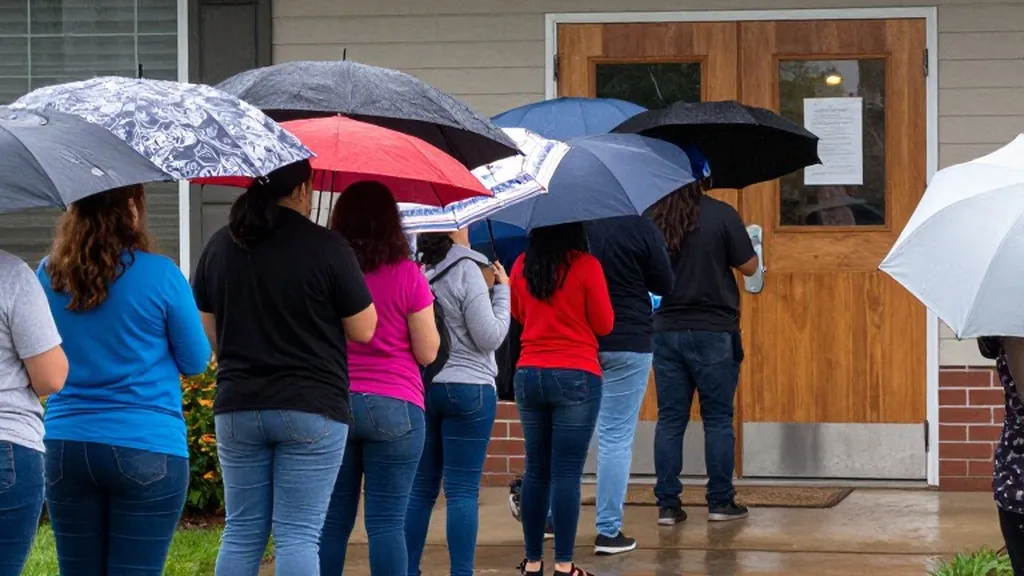
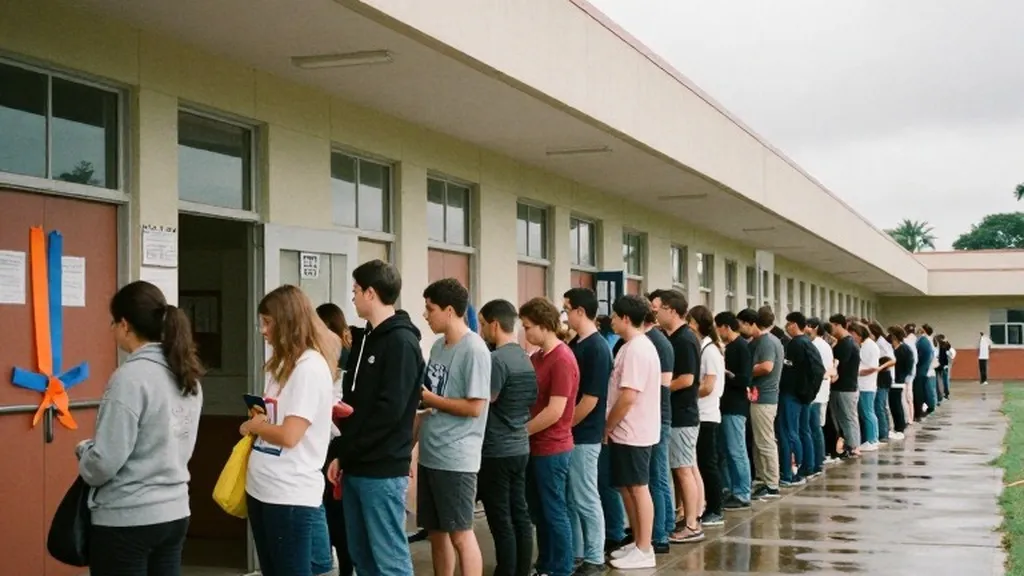
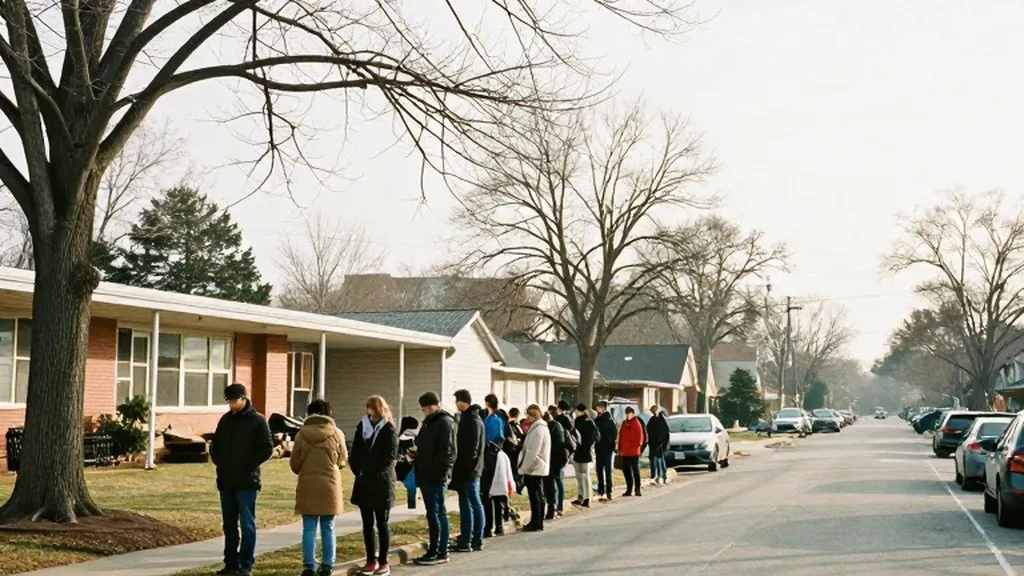
In the end, the decision rests with the voters who are currently lining up at polling places across the nation. The election is a referendum on the administration's performance, particularly on the economy. The data shows that prices are the top issue for many Americans. As the votes are counted, the world will watch to see how this economic anxiety translates into legislative control. The outcome will shape the political landscape for the next two years and beyond.