Federal Regulators Mandate Cyan Lighting as Standard for Driverless Fleets
NHTSA proposes a unified blue-green light system to standardize communication for autonomous vehicles, aiming to reduce regulatory friction for major automakers and robotaxi operators.
By Fatou Kim ·
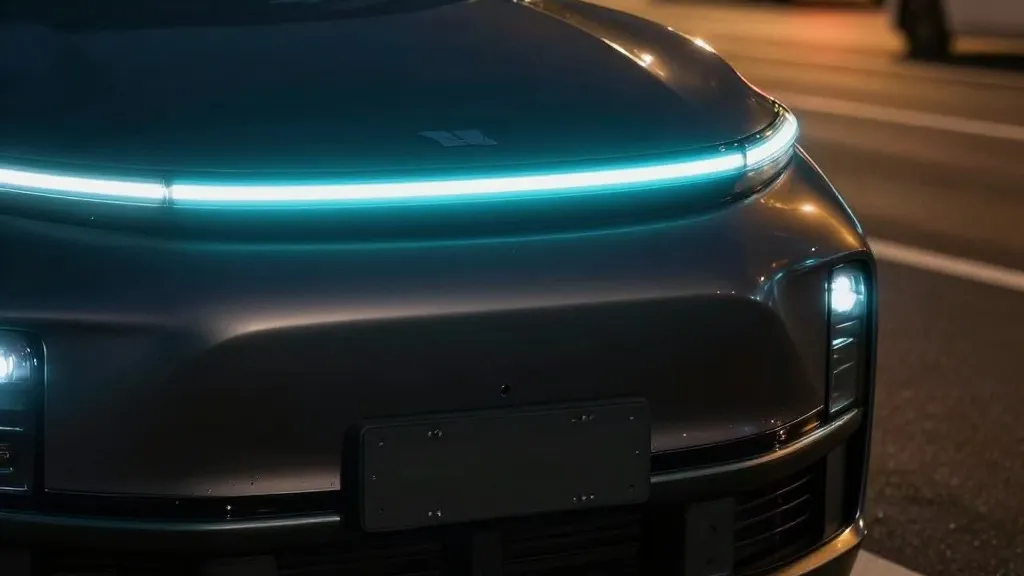
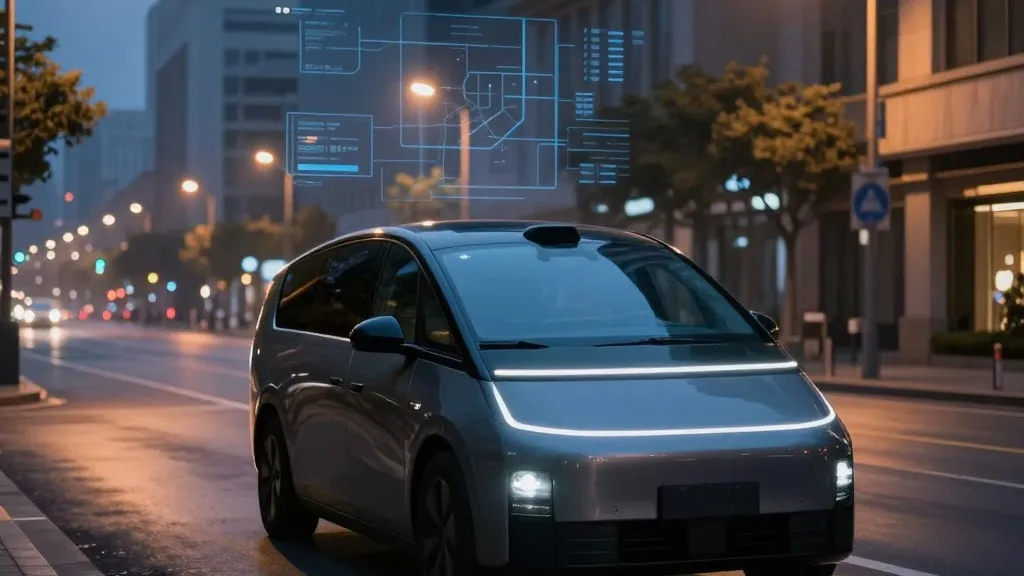
The multi-year industry debate over how self-driving vehicles should visually communicate their operational status to the public appears to be reaching a definitive conclusion. Federal regulators have moved to standardize the exterior lighting of autonomous vehicles, proposing that driverless cars utilize a distinct cyan-colored marker lamp to signal that no human is at the wheel. This regulatory move aims to resolve a fragmented landscape where different manufacturers have experimented with various visual cues, creating uncertainty for law enforcement and other road users interacting with automated transport.
The National Highway Traffic Safety Administration (NHTSA) released proposed amendments to Federal Motor Vehicle Safety Standard No. 108, specifically targeting the design and operation of autonomous vehicles. The proposal seeks to streamline the regulatory environment by removing legacy requirements that are irrelevant to human-free designs while establishing a uniform visual language. By standardizing the color, brightness, and location of these lights, the agency intends to create a clear, consistent signal that distinguishes automated systems from human-driven traffic.
The selection of cyan is driven by the need to fill a specific gap in the current automotive color palette. The industry already relies on red, amber, white, and flashing blue or red lights for functions such as braking, turning, headlighting, and emergency services. NHTSA argues that cyan can serve as a unique identifier for automated driving systems without causing visual confusion or overlap with existing traffic signals. This approach ensures that the visual cue for autonomy remains distinct and easily recognizable across different vehicle models and manufacturers.
While the proposal is not yet mandatory, NHTSA is establishing official federal standards for the implementation of these lights. Manufacturers will have the option to install cyan marker lamps, but if they do, the lights must adhere to the new specifications regarding color, intensity, and placement. This strategy is designed to prevent a market fragmentation scenario where different robotaxi operators and automakers use varying colors or signal patterns, which could complicate recognition for police officers and pedestrians. The goal is to allow companies like Waymo, Nuro, and Zoox, as well as traditional automakers such as General Motors and Mercedes-Benz, to adopt a uniform setup.
There is existing precedent for this type of visual signaling, although it has not been universally adopted. Mercedes-Benz previously received state-level approval to use turquoise lights for its Level 3 Drive Pilot vehicles. However, the automaker later abandoned that specific approach in favor of a different system. Despite this shift, the federal agency is looking to codify a national standard that can be applied broadly across the sector, providing a clear regulatory path for future vehicle designs.
The proposal also includes significant administrative simplifications for vehicle manufacturers. NHTSA is seeking to eliminate requirements for physical controls that are unnecessary in driverless configurations, such as manual hazard switches, beam shifters, and interior turn levers. Additionally, the agency is updating the 12.8-volt testing standard to accommodate modern LED lighting architectures, reducing the bureaucratic hurdles automakers face when integrating new technology. The rule also considers removing strict dictates on whether high-beam lights must be positioned above or below low-beam lights, offering more design flexibility.
This regulatory update is part of a broader Department of Transportation initiative to streamline the deployment of autonomous vehicles. The administration is working to remove barriers that prevent the construction of cars without traditional human-operated controls, such as steering wheels and pedals. By aligning federal standards with the technical realities of autonomous driving, the government aims to accelerate the market entry of fully driverless vehicles while maintaining safety consistency.
However, the transition to these new standards is occurring while existing rules are still strictly enforced. Last month, NHTSA initiated an audit query regarding the Tesla Cybercab, examining the technical data and processes used by the company during its certification. The focus of this inquiry is the vehicle's lack of specific design features, including sideview mirrors, pedals, and a steering wheel, which are currently required under existing FMVSS regulations. This action underscores that while new rules are being proposed, compliance with current standards remains a critical legal and financial consideration for manufacturers entering the market.
More Business · Consumer Alerts · Report a business · Got a Story?