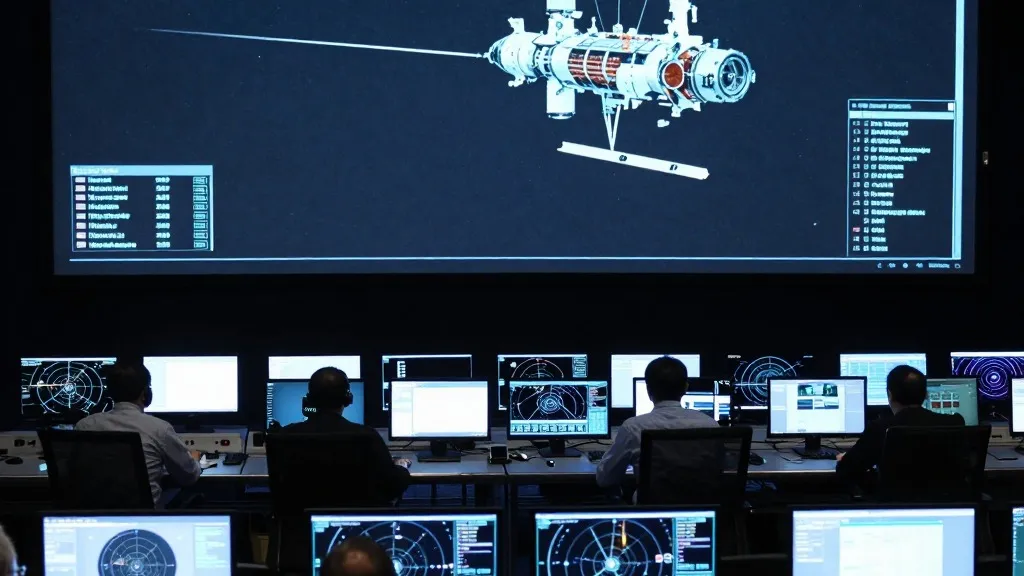
NASA Officials Cite 22 Starship Missions as New Lunar Fuel Benchmark
Internal assessments suggest the Artemis program requires significantly more tanker flights than previous estimates, raising questions about the timeline for crewed Moon landings.
By Noor Phillips ·
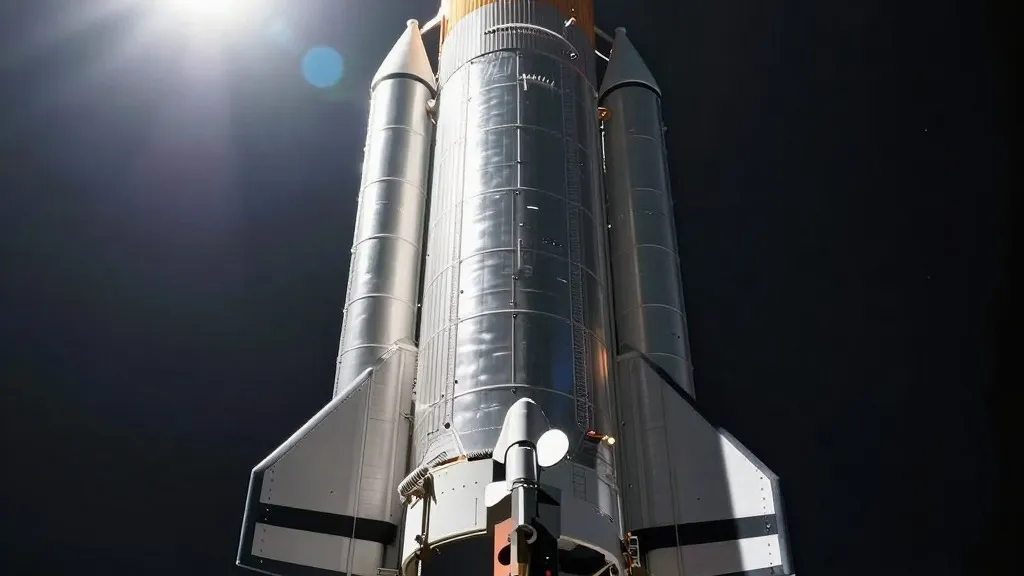
Tension is building within the National Aeronautics and Space Administration over a specific logistical metric that determines the feasibility of returning humans to the lunar surface. While the agency has historically guarded this figure with secrecy comparable to nuclear codes, new internal estimates now indicate that twenty-two Starship launches are required to fuel a lunar lander in low-Earth orbit. This number represents a significant shift from earlier projections and has prompted concerns among officials regarding the pace of development needed to meet this decade's goals.
The path to this latest estimate has been marked by fluctuating expectations. For years, NASA officials avoided providing a definitive count, often citing the complexity of the calculation. In 2023, Lisa Watson-Morgan, then director of the Human Landing System, told reporters that the agency had a general idea but was reluctant to specify exact figures. She later described the requirement as being in the high single digits to low double digits. That range suggested approximately a dozen flights, a substantial number that would involve one depot vehicle and eleven tanker ships carrying liquid oxygen and methane. Other officials had previously referenced high teens, hoping that rapid improvements in lift capacity would reduce the total count.
The current situation reflects a growing worry that these optimistic improvements may not materialize quickly enough. Some NASA leaders fear that if the lift capacity of the Starship rocket does not increase dramatically soon, the vehicle may struggle to play a meaningful role in the Artemis program within the current decade. The need for twenty-two separate missions to assemble the necessary propellant in orbit highlights the logistical burden that SpaceX must overcome to support a crewed lunar mission.
This updated figure surfaced during the quarterly meeting of the NASA Aerospace Safety Advisory Panel held on Thursday. Panel member Charlie Precourt, a former NASA astronaut, addressed the gathering to discuss the various risks associated with the Artemis program and the specific challenges of landing humans on the Moon. His remarks underscore the agency's focus on safety and readiness as it navigates the complex engineering requirements of deep space exploration.
The revelation of the twenty-two launch estimate marks a departure from the vagueness that has characterized previous discussions. It provides a concrete target, albeit a demanding one, for the development of the lunar fueling infrastructure. As the program moves forward, the ability to meet this benchmark will likely be a critical factor in determining the success of the next chapter in human spaceflight.
Looking ahead, the agency must balance its ambition to return to the Moon with the practical realities of orbital logistics. The next steps will involve continued testing and refinement of the Starship platform to see if the number of required tanker flights can be reduced. For now, the twenty-two mission benchmark stands as a key indicator of the work remaining to achieve a sustainable presence on the lunar surface.