U.N. Condemns U.S. Cuba Embargo as Tensions Escalate
The General Assembly is expected to vote 165 to 7 again, following a shouting match between American and Cuban officials on Tuesday.
By Noor Phillips ·
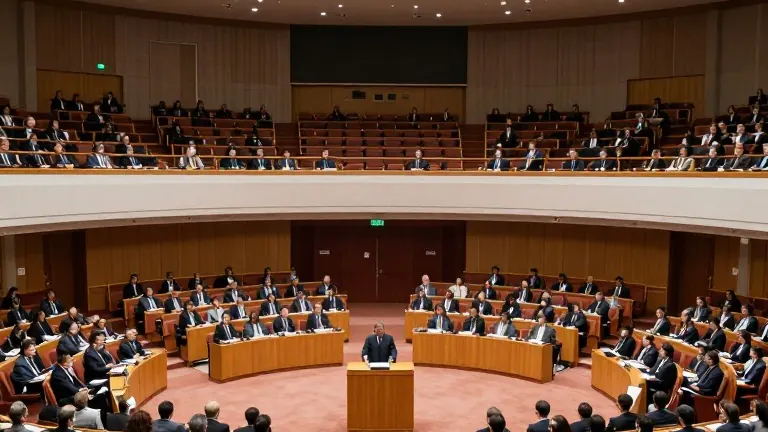
The United Nations General Assembly voted Wednesday to condemn the U.S. economic embargo on Cuba. The resolution passed with overwhelming support from member states, continuing a trend established over the past three decades. This year's vote occurred amid heightened diplomatic friction between Washington and Havana.
The annual resolution has been presented to the General Assembly for 34 consecutive years. In the previous vote, 165 countries supported the measure while seven opposed it and 12 abstained. Analysts expect a similar margin this year, though the Trump administration's active campaign to influence the outcome could shift the balance among key Western allies. The resolution is not legally binding, but it signals global opinion on the trade barriers.
Tensions flared publicly on Tuesday during a floor debate. U.S. Ambassador Mike Waltz began criticizing Cuba's government when Cuban Foreign Minister Bruno Rodríguez approached the podium. Rodríguez attempted to call for a point of order while accusing Waltz of lying. Waltz told the Cuban minister to back away, stating, "He’s not going to intimidate me in the United States of America." Security personnel moved to separate the two diplomats as Waltz added, "You understand who you’re dealing with? This is America. Back up."
Rodríguez responded on the social platform X, noting that Waltz was speaking at the United Nations rather than a White House meeting. He described the U.S. stance as a desperate attempt to justify economic aggression. A similar confrontation took place a week earlier outside a panel on Cuban dissidents, where Waltz clashed with Cuban official Ernesto Soberón Guzmán.
The conflict comes as Cuba faces deepening financial problems. The U.S. imposed the embargo in 1960 after the Cuban revolution. President Donald Trump recently threatened military intervention, suggesting U.S. warships might stop in Cuba on the way back from the Iran war. In late January, the administration announced tariffs on countries selling oil to Cuba. This move cut off fuel supplies, causing widespread power outages that affect water, cooking, and telecommunications services on the island.
The vote marks the 35th time the General Assembly has addressed the U.S. embargo. The resolution calls out the U.S. maximum pressure policy. While the outcome was expected, the public exchanges between the two nations' representatives signal a shift away from traditional diplomatic decorum at the U.N.