UN Withdrawal: Western Sahara Peacekeepers Leave After 35 Years
A Security Council deadlock between the United States and Russia forced the abrupt end of MINURSO operations on November 1, 2026.
By Fatou Kim ·
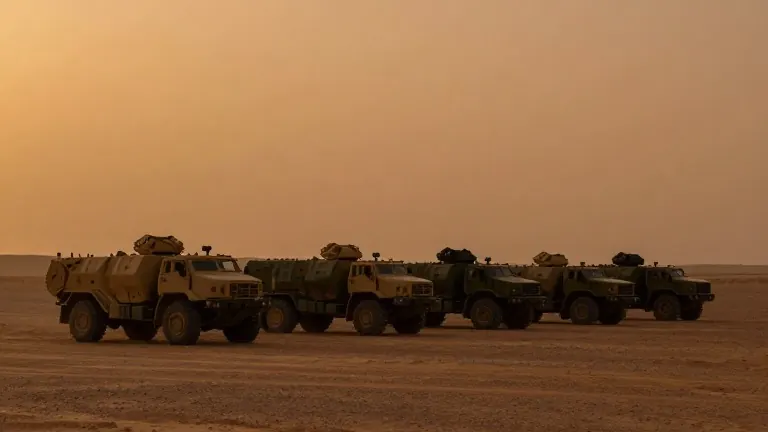
The United Nations peacekeeping mission in Western Sahara ceased operations on November 1, 2026, after 35 years of continuous service.
The withdrawal followed a split in the U.N. Security Council. On Friday, Russia vetoed a U.S.-drafted resolution that would have supported Morocco’s claim to the territory and scheduled the mission's end for next year. A subsequent Russian draft to extend the mission was then voted down. This procedural impasse triggered the immediate expiration of the force’s mandate.
Stéphane Dujarric, the U.N. secretary general's spokesperson, confirmed the start of the liquidation period in a statement. He said a smaller team under the Department of Operational Support will manage the transfer of assets to troop-contributing nations and dispose of U.N. equipment. The mission, established in 1991 to monitor a planned referendum, had a 2026-2027 budget exceeding $62 million. It was authorized for 534 personnel, with Egypt, Ghana, and Pakistan as the primary military contributors. Twenty personnel lost their lives during the mission's history.
Reactions from the disputing parties were sharp. Morocco’s royal palace described the mission as an "instrument to internationalize the dispute" and welcomed the non-renewal. The Polisario Front, which operates from refugee camps in Algeria and seeks independence, called the decision "unacceptable." Algeria, the Polisario’s main backer, expressed profound regret and criticized the U.S. draft for "excessive bias."
Western Sahara, a desert territory the size of Colorado along Africa's northwestern coast, has been the subject of a territorial dispute since Spain relinquished control in 1975. Morocco currently administers most of the area, excluding a narrow "free zone" east of a sand wall. An armed conflict that followed the initial dispute lasted over 15 years and resulted in more than 16,000 deaths, according to the French Senate. The territory holds significant mineral and fishery resources.
The U.N. secretary general urged all parties to respect the rights of the Western Saharan people and exercise maximum restraint. He noted concern over the security situation and the risk of escalation. Tensions have risen since the Polisario Front withdrew from the 1991 ceasefire in 2020. Morocco and Algeria severed diplomatic relations in 2021, and the end of the mission adds pressure to their rivalry.
The U.N. classifies the territory as non-self-governing. Critics of Moroccan control label it Africa's last colony. Morocco refers to the area as its southern provinces and has secured backing from Western capitals including Washington, Paris, and London. The Polisario Front, backed by Algeria, Russia, and South Africa, aims to establish an independent Sahrawi Republic.