UT Austin Launches UT Dell Medicine With 2030 Opening Target
The new academic health system aims to double clinical capabilities and triple patient volumes in Central Texas.
By Olivia Miller ·
University of Texas at Austin officials launched a new academic health system on Tuesday, merging existing clinical services with the university's research and education infrastructure. The entity, named UT Dell Medicine, was unveiled alongside a new logo at a ceremony held at the Health Transformation Building on the campus.
Dr. Claudia Lucchinetti, the university's executive vice president for medical affairs and dean of Dell Medical School, said the new brand unites current patient care with the academic foundation established by the medical school. She stated that the system represents a commitment to integrating clinical care, research, and education to transform healthcare delivery.
UT System Chancellor John Zerwas described the initiative as a rare opportunity to address a growing need for complex medical care in the region. He noted that Central Texas is experiencing rapid population growth and an anticipated statewide physician shortage. Zerwas called the chance to build an academic health enterprise from the ground up a monumental moment for the area.
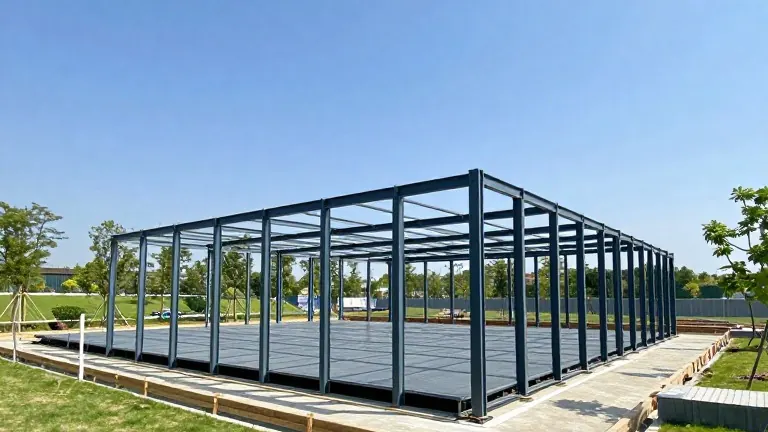
The physical complex will be located on 27 acres of the UT Campus for Advanced Research in Northwest Austin. The site is positioned off MoPac and Braker Lane near The Domain. The facility is scheduled to open its doors in 2030, with initial site preparations set to begin one week after the unveiling ceremony.
The medical center will include hundreds of patient beds and focus on cardiovascular, cancer, neurological, transplant, and advanced intensive care services. Cancer care will be developed and operated in partnership with UT's MD Anderson Cancer Center. Lucchinetti said the new infrastructure will unify medical records and billing, reducing the burden on patients to manage information across multiple providers.
The system will utilize artificial intelligence to handle routine tasks for clinicians. Lucchinetti explained that this technology is intended to take administrative work off the shoulders of healthcare providers. The center will also be supported by research discoveries from university students, residents, and fellows.
Once fully operational, UT Dell Medicine expects to more than double its current clinical capabilities through physicians and advanced practice providers. The system also projects that patient volumes will more than triple. Lucchinetti stated that the primary goal is to provide more complex, specialized care locally so fewer families must leave Central Texas to find treatment.