Waterford resident urges chicken keepers to fix coops before trapping predators
A letter to The Forecaster argues that physical barriers like buried hardware cloth and locked coops are more reliable than culling animals to protect poultry.
By Fatou Kim ·
Maine residents are debating the most effective way to protect backyard poultry from wild animals after a local newspaper detailed the plight of a frustrated bird owner in Belgrade. The October 19 report described a man who intends to set traps for the foxes, raccoons, and fishers that have been decimating his flock for years. Martha Macdonald of Waterford responded in a letter published on November 2, arguing that mechanical solutions are superior to lethal control.
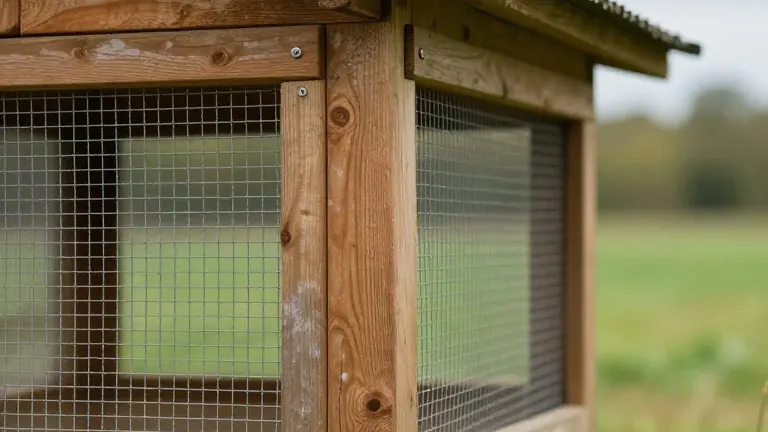
Macdonald contends that predators are simply seeking easy meals rather than attacking by design. She asserts that a trapline is an insufficient long-term fix because removing one animal often invites another to the same vulnerable source. Instead, she recommends constructing a sturdy, fully enclosed run. The design requires burying hardware cloth to prevent digging and locking the coop at night. This method protects chickens far more reliably than killing the specific animals that wander by.
The author extends this logic to residential wildlife management. She notes that wildlife-proof garbage cans and secured compost bins prevent raccoons and bears from becoming nuisances in the first place. She also advocates for keeping pet cats indoors. This practice protects the cats from predators, vehicles, and traps, while also reducing the number of songbirds they kill.
Macdonald emphasizes that these solutions require minimal complexity. She frames the debate as a matter of stewardship, suggesting that people should take responsibility for their own land and animals. She argues that wildlife should not suffer in traps for hours or days, nor be killed season after season, due to human neglect. Before setting a trap, she advises residents to reach for a hammer and some hardware cloth.