Brent Crude Jumps 60% as Qatar Mediates Between U.S. and Iran
Qatari mediators propose a two-day truce plan to halt strikes on shipping in the Strait of Hormuz, while U.S. officials remain undecided on post-midterm military action.
By Olivia Miller ·
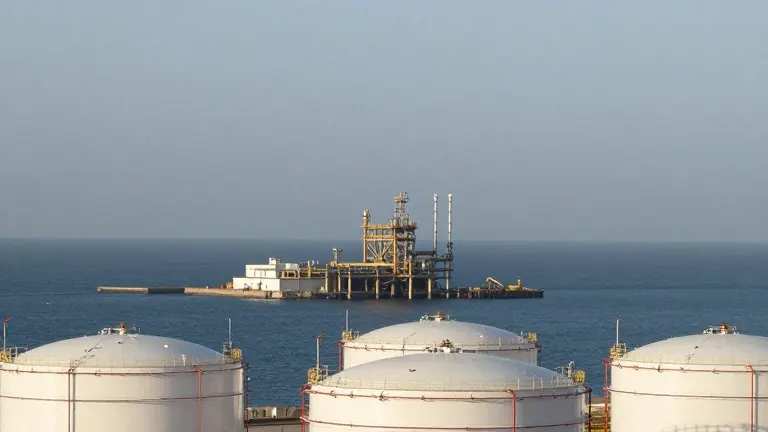
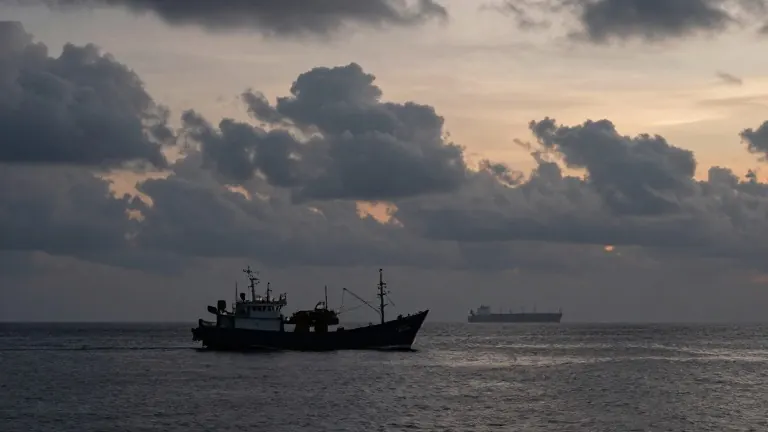
Brent crude oil prices are 60% higher today than they were before the conflict began, a direct result of the ongoing war and Iran's closure of the Strait of Hormuz. This economic strain has placed the entire Gulf region in a state of high alert as the United States and Israel plan for potential strikes on Iran following Tuesday's midterm elections.
Qatar has led intense mediation efforts over the past 72 hours to prevent further escalation. Mediators visited Tehran, and an Iranian delegation traveled to Doha. Iran's foreign minister, Abbas Araghchi, told state media today that there is no definitive conclusion yet. However, he said there is discussion of a two-day plan where Iran would stop attacking ships in the Strait of Hormuz to allow direct talks between Washington and Tehran to resume.
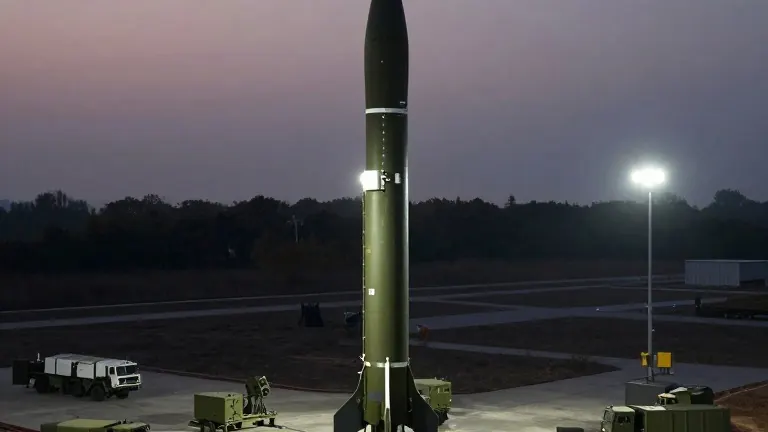
President Donald Trump addressed the possibility of restarting the war at a Halloween party in Mar-a-Lago. He stated, "We're not in that much of a hurry." Trump claimed the U.S. has knocked out most Iranian military equipment and manufacturing capabilities, as well as nuclear sites. He noted that one or two sites remain but said the U.S. could take care of them in 10 minutes.
NPR correspondent Aya Batrawy reported from Bahrain that uncertainty defines the region. She spoke with senior European diplomats and Arab military generals, none of whom could predict Trump's next move. The war began eight months ago when the U.S. and Israel launched strikes that killed Iran's supreme leader and top commanders. Despite the damage, Iran's regime has not fallen. The Revolutionary Guard remains capable of inflicting pain on Gulf neighbors, which are major oil and gas producers.
Iran's new supreme leader, Mojtaba Khamenei, ordered commanders this weekend that any threat must be met with an immediate response "without geographical limitations." Iran's state media says this means new attacks will cause greater damage. In Bahrain, Batrawy observed visible damage to the U.S. Navy's 5th Fleet logistics hub, including hit radar equipment and charred warehouses. The base previously housed 8,000 military personnel but is now down to fewer than 100.
Bahrain's foreign minister, Abdullatif Al Zayani, spoke at the Manama Dialogue security forum about Iranian missiles and drones targeting civilian infrastructure. He noted that the Revolutionary Guard has threatened to hit undersea internet cables if the war resumes. Al Zayani said, "This follows the same pattern we have seen at sea - a shared artery is being used as a tool of pressure and threat." Gulf states, including the United Arab Emirates, view Iran as a top security threat but do not want a full-scale war. Senior Emirati diplomat Anwar Gargash said political tools are the main solution, as military options will only complicate the scene.
Saudi Arabia is currently struggling to protect its airports and oil facilities from attacks by Iran-backed Houthis in Yemen. The unified message from the Gulf is that more attacks on Iran will be devastating to the region's economies. The next step involves the U.S. decision after the Tuesday midterms and the potential implementation of Qatar's proposed two-day truce plan.