Democrats seize both chambers of Congress after historic midterm victory
Voters ousted Republicans in a sweeping rebuke, handing Democrats control of the House and Senate with new power to investigate the administration.
By Fatou Kim ·
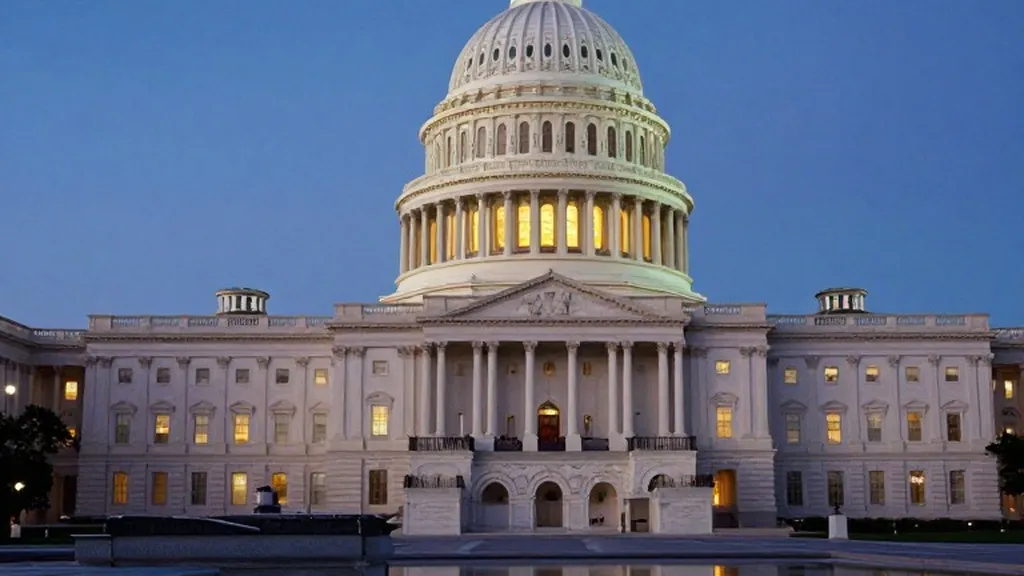
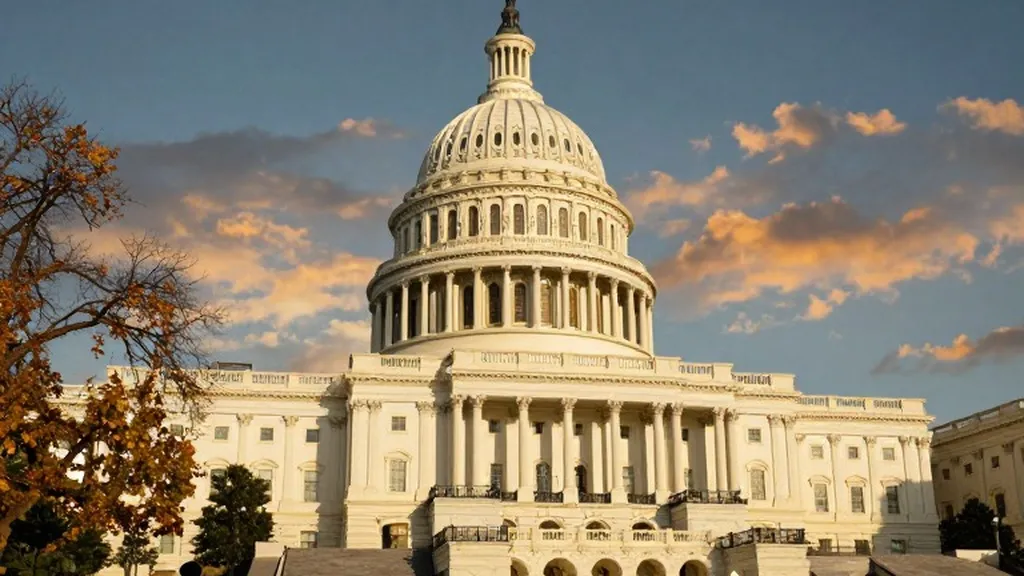
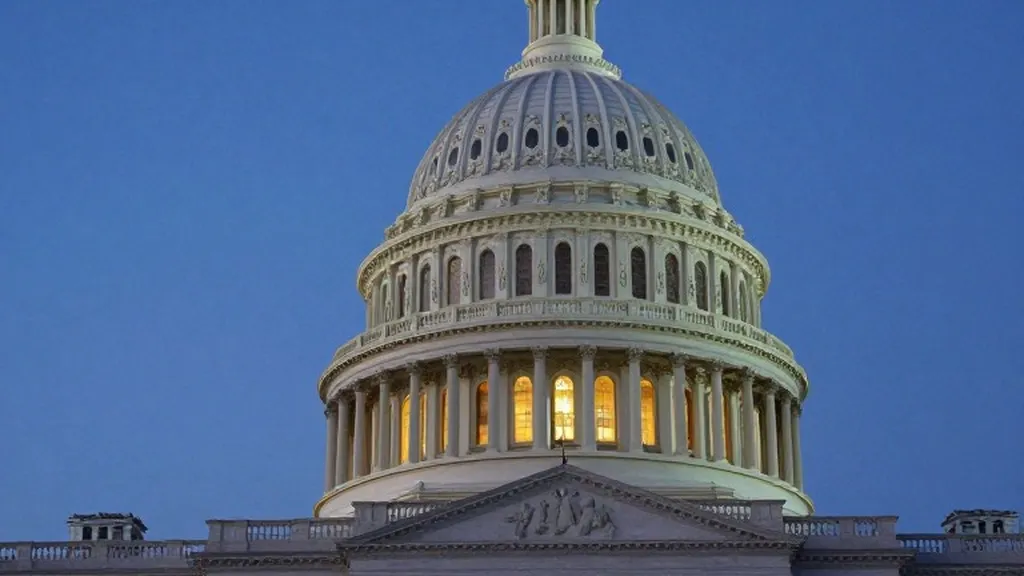
Washington, D.C. The 2026 midterm elections have concluded with a decisive shift in power, as Democrats took control of both the U.S. House of Representatives and the U.S. Senate. Democrats won 238 of the 435 House seats and 20 of the 35 Senate seats, marking a net gain of 33 House seats and 7 Senate seats. This result ends Republican control of Congress and places the Democratic Party in a position to lead legislative and oversight efforts for the next two years.
Corruption was the central theme driving this electoral shift. The AP Voter Poll, which surveyed more than 100,000 voters nationwide, found that about half of U.S. Voters said government corruption was crucial to their vote for Congress. Roughly 3 in 10 voters identified the state of democracy as their top issue, a concern that resonated particularly strongly with older voters. This sentiment fueled a Democratic campaign focused on holding the administration accountable for what party leaders describe as self-enrichment.
House Democrats are already preparing to use their new majority to launch a vast oversight agenda. Representative Hakeem Jeffries of New York, who is in line to become the House speaker, has not ruled out attempting to impeach President Donald Trump for a third time. He has tasked ranking Democrats on the Oversight and Judiciary committees, including Representative Robert Garcia of California and Representative Jamie Raskin of Maryland, with leading the investigative effort. Garcia posted on X as results came in, urging the president to lawyer up, signaling the intensity of the upcoming scrutiny.
In the Senate, Majority Leader Chuck Schumer of New York, who is poised to return to that role, stated that Americans want the cleanup of corruption in government. He highlighted the disparity between the financial strain on average households and the financial gains of the president and his associates. Senator Richard Blumenthal of Connecticut, who is expected to chair the Homeland Security Committee’s Permanent Subcommittee on Investigations, said his panel will examine the president’s real estate projects and cryptocurrency dealings with special envoy Steve Witkoff.
The election results also signal a significant change in state-level politics. Ballotpedia data shows that Democrats won 22 of the 36 governorships on the ballot, a net gain of five offices. Four governorships changed party hands in Georgia, Iowa, Ohio, and Texas. The victory in Texas is particularly notable, as it marks the first statewide win for Democrats in the state in more than 30 years. This shift gives Democrats a broader platform to challenge federal policies at the state level and increases their leverage in national debates.
The defeat of the Republican Party came despite a massive financial investment by billionaire Elon Musk, who spent at least $445 million to help Republicans keep control of Congress. The Associated Press notes that this expenditure was one of the largest in midterm history, yet it did not prevent the party from ceding power. Musk’s companies, including Tesla and SpaceX, saw significant drops in market value following the election, with investors expressing concern over potential congressional investigations into the Department of Government Efficiency and other federal contracts.
President Trump has adopted a conciliatory tone since the loss, acknowledging that the Democrats did a good job in their campaigns. However, the administration faces a new dynamic in Washington. With Democrats controlling both chambers, the president will need to negotiate with a legislative body that has vowed to scrutinize his trade policies, spending, and personal business interests. The AP notes that while Democrats can now conduct investigations, they largely lack the power to override a presidential veto without a supermajority, which they do not hold.
The election also highlighted a shift among Latino voters across the country. From border counties in Texas to Miami-Dade County in Florida, many Latino voters swung back toward Democrats after supporting Republican gains in recent years. This demographic shift played a key role in the Democratic victories in battleground states. The results suggest that the party’s messaging on affordability and community issues resonated with voters who previously felt underrepresented.
As the new Congress prepares to convene, the focus will turn to the practical implications of the power shift. Law firms with white-collar practices expect an increase in work related to congressional investigations. The Democratic leadership aims to link the costs of public corruption to the affordability concerns affecting Americans’ pocketbooks. This strategy is designed to maintain public support while navigating the complexities of governing with a divided executive branch.
The 2026 midterms have set the stage for an intense lame duck session. Democrats will use their new subpoena powers and expanded investigative staffs to probe the administration’s actions. The election results serve as a clear referendum on the president’s second term, reflecting a electorate that is frustrated with high prices and concerned about the direction of the country. The coming months will test the ability of the new congressional majority to deliver on its promises of accountability and reform.
The final count from Ballotpedia confirms the scale of the Democratic victory, with 51 House races and 2 Senate races remaining uncalled as of the latest updates. However, the partisan control of both chambers is secure. This outcome marks a historic moment for the Democratic Party, which has gained significant ground in both federal and state offices. The new leaders in Congress are expected to move quickly to establish their agendas and begin the work of investigating the administration’s conduct.