Democrats seize control of both chambers of Congress in historic midterm sweep
With Republicans losing at least seven Senate seats and 42 House seats, the new majority faces immediate tasks including oversight of the Education Department and a defense secretary impeachment vote.
By Noor Phillips ·
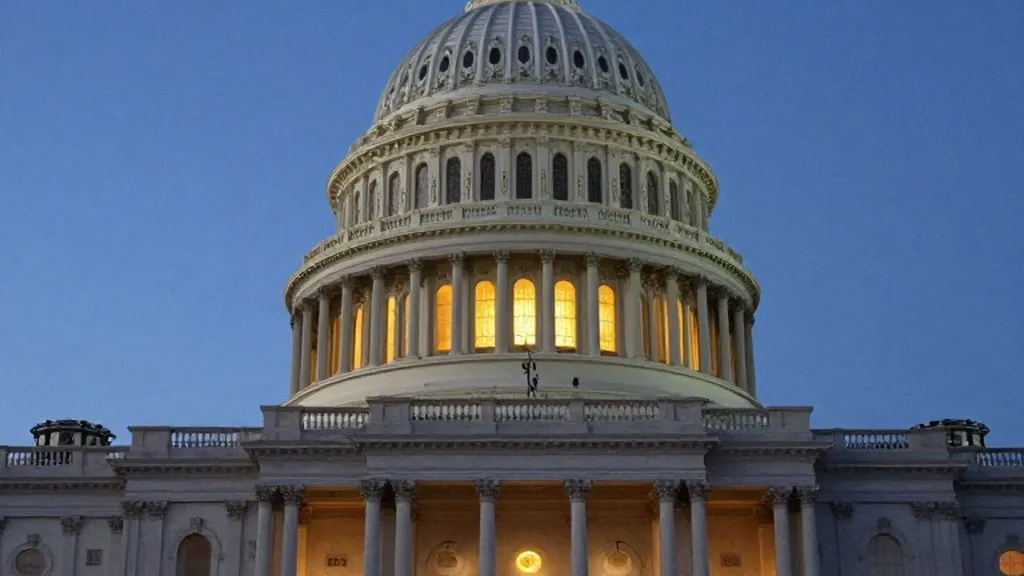
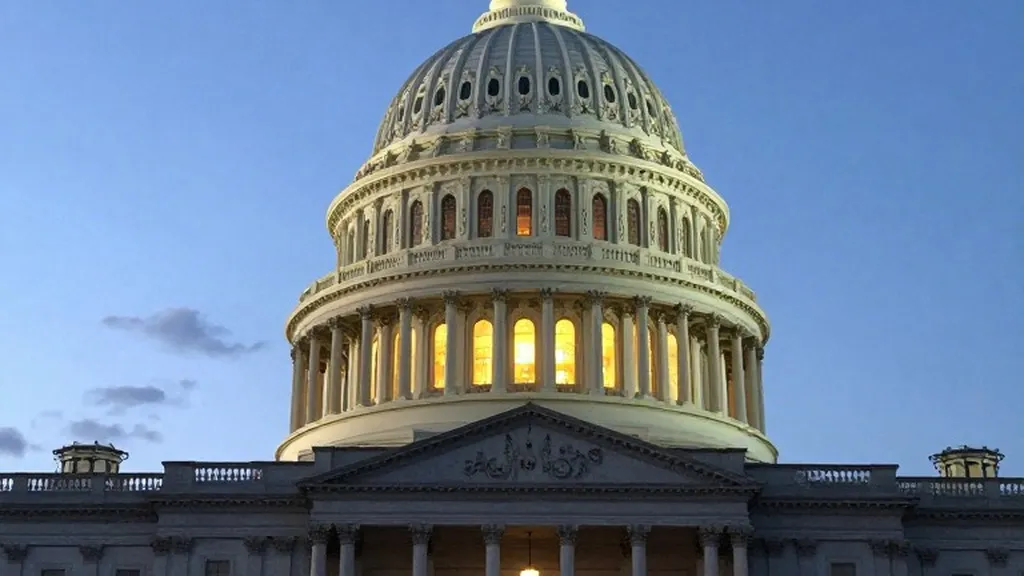
Democratic voters delivered a decisive victory on Tuesday, November 3, securing majorities in both the U.S. House and Senate. According to compiled election results updated through 4:00 p.m. ET on November 6, Democrats picked up at least 43 House seats and seven Senate seats. All seven of these Senate gains came from districts previously held by Republicans. This shift places Democrats in a commanding position for the next two years of federal governance.
The scale of the Republican losses marks a significant political realignment. The net loss of at least seven Senate seats places this election cycle in the top 20% of historical midterm results in terms of seat swings against a president's party. This threshold is widely defined as a wave election. While the House loss of 42 seats is slightly short of the 48 seats typically required for a wave classification, uncalled races could still alter that total. The results suggest a strong mandate for the opposition party to check the current administration.
In the House, Democrats are projected to hold at least a 250-157 majority. In the Senate, they will command a 54-44 majority. These numbers provide the party with the numerical strength to pass legislation and control committee assignments. The new Congress convenes in January, but the outgoing Republican leadership remains in power until then, creating a brief window where the old guard can still act while the new leaders prepare to take the helm.
One of the immediate actions taken by the new leadership involves the impeachment of Defense Secretary Pete Hegseth. Representative Thomas Massie of Kentucky, a Republican, moved on Monday to force a vote on the matter. He read the impeachment resolution from the House floor just hours after the first day of sessions following the midterms. The resolution focuses on the war in Iran but also references Hegseth's role in military actions in Yemen and Venezuela. Massie described Hegseth's actions as high crimes and misdemeanors, arguing that he knowingly executed unlawful orders.
President Donald Trump reacted strongly to the move, calling Representative Massie a loser who has a lot of hatred in his heart. Despite the personal criticism, the procedural path for impeachment is now open. House Democratic Leader Hakeem Jeffries supports the measure, which means Massie needs only a few Republican votes to pass the article of impeachment in the House. If the House votes to impeach, the process will move to the Senate for a trial. Senate Democratic Leader Chuck Schumer endorsed the push, stating that Hegseth must stand trial. Republican leaders, including Speaker Mike Johnson, expressed frustration, with Johnson calling impeachment in the middle of hostilities abroad a terrible look for allies and enemies.
Beyond the defense portfolio, Democrats are preparing to use their new oversight powers to challenge the Trump administration's education policies. Representative Bobby Scott of Virginia, the top Democrat on the House Committee on Education and the Workforce, stated he plans to leave no rock unturned. His committee will explore the dismantling of the U.S. Education Department, the oversight of federal student loans, and anti-discrimination policies. A day after the election, Scott sent a letter to ten federal agencies reminding them to preserve records that might become part of a congressional review.
Senator Elizabeth Warren of Massachusetts called on her colleagues to hold the administration accountable for dismantling the Department of Education. However, the White House has shown no sign of backing away from its campaigns to close the department and end diversity, equity, and inclusion policies. Education Department spokesperson Savannah Newhouse said the Democrats are plotting to prematurely sabotage Education Secretary Linda McMahon. White House spokesperson Liz Huston accused Democrats of failing students with disastrous leadership before Trump took office. These exchanges highlight the tone of the upcoming legislative battle.
Democrats are also looking to the budgeting process to rein in the administration. Senator Chris Van Hollen of Maryland, a member of the Senate Appropriations Committee, said there will be interest in using the power of the purse to establish guardrails. He noted that it is harder to rebuild an entity through an appropriations bill, but possible to prevent further damage. Some Democrats are exploring conditions on spending bills to stop the bleeding caused by the administration's education agenda. This approach offers a practical check on executive actions that have been difficult to reverse through legislation alone due to veto threats.
The election results also reflect broader shifts in state government. Democrats won a plurality of state government trifectas and a majority of governorships for the first time since before the 2010 elections. In California, Xavier Becerra won the governor's race, becoming the state's first elected Latino governor and the fifth consecutive Catholic governor. His victory underscores the complex political role of religious groups in modern elections. About six in ten Catholic voters in the state supported Becerra, while about four in ten voted for his Republican opponent, Steve Hilton.
The new majority faces a crowded agenda that includes oversight of the Department of Education, a potential impeachment trial, and the shaping of federal funding for higher education. As the new Congress convenes in January, the focus will shift to how effectively Democrats can implement their oversight plans while managing a White House that remains committed to its current policies. The coming weeks will test the strength of this new legislative alignment and its ability to influence the direction of the federal government.