Tesla Confines Unsupervised FSD to Robotaxi Zones Through 2027
The new timeline restricts owner-driven autonomy to small, managed areas rather than the open road, marking a significant shift from the company's long-standing marketing promises.
By Noor Phillips ·
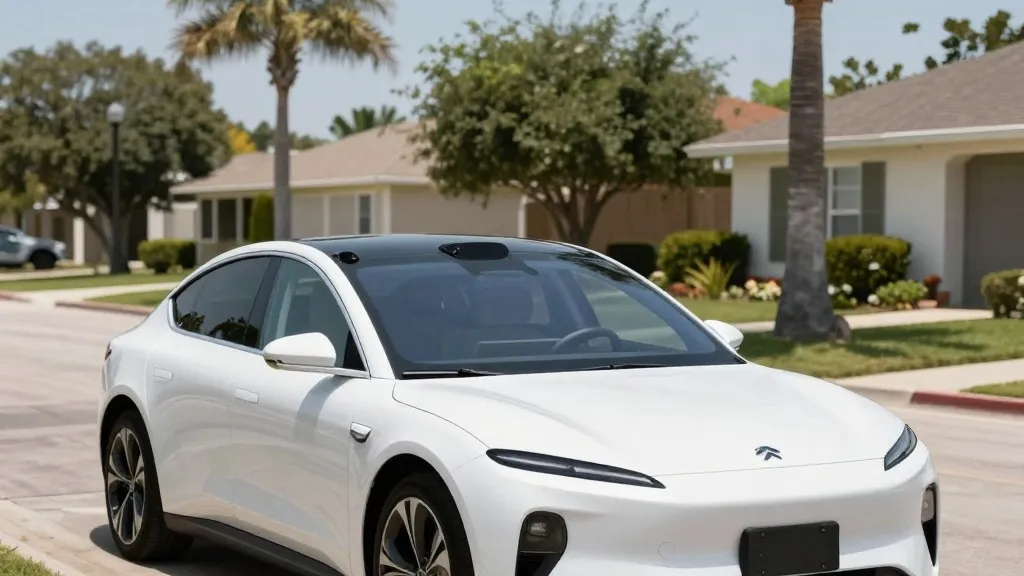
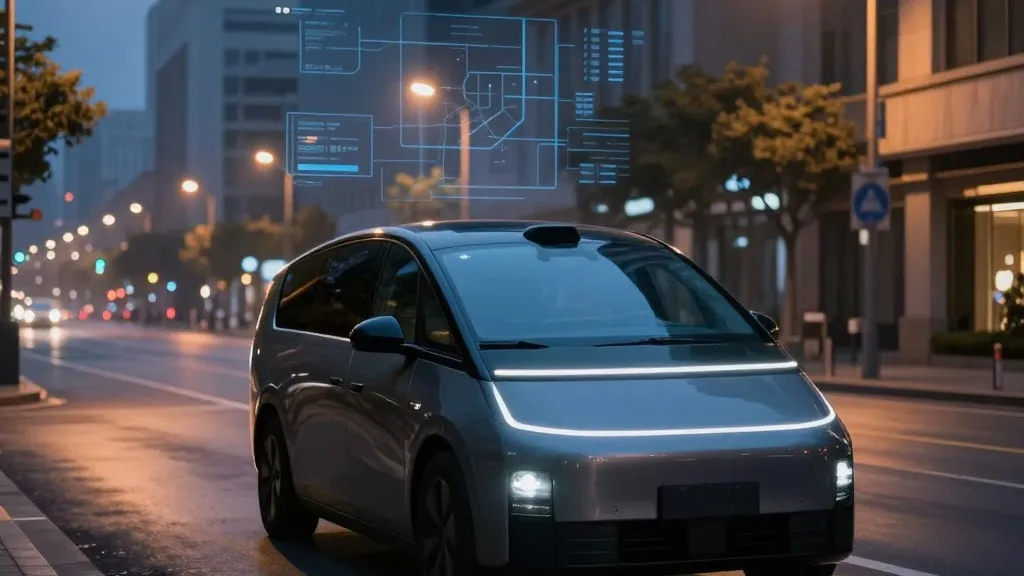
Approximately 1.1 million shares represented the retail shareholder question that dominated Tesla's Q3 2026 earnings call: when will unsupervised Full Self-Driving arrive in customer vehicles? The answer provided by AI chief Ashok Elluswamy was the second quarter of 2027. However, the definition of that arrival is far narrower than investors have anticipated for the past decade. The feature will not grant owners a car that drives anywhere they wish. Instead, it allows owners to add their personal vehicles to Tesla's managed Robotaxi fleet, meaning the car only drives itself unsupervised within specific, pre-mapped zones.
This development caps a long history of shifting deadlines. In July 2025, Elon Musk told investors that unsupervised personal use would be available in certain geographies by the end of that year. A year prior to that, he suggested he would be surprised if the technology was not ready the following year. Now, with the target date pushed to mid-2027, the scope of the product has also contracted. The promise of a software update that enables a car to drive itself across the country has been replaced by a service model where the vehicle operates under Tesla's control in limited areas.
The current footprint of this technology is modest. Tesla's Robotaxi service operates in six US metro areas, but the actual service areas cover only small slices of those cities. In Miami, the zone mostly encompasses West Miami and a strip extending toward Doral and Sweetwater. Orlando and Tampa launched in July with similarly small geofences. Within these boundaries, the vehicles stick to low-speed routes and largely avoid highways. They also sidestep the more complex parts of the urban landscape. In the Bay Area, the service is not fully unsupervised. California regulations require a safety driver in every vehicle because Tesla has not yet released the necessary data to the California DMV to move beyond a level 2 autonomous classification.
The scale of the operation remains small relative to broader industry efforts. By the end of Q3 2026, Tesla reported that its Robotaxi fleet had reached nearly 2 million cumulative unsupervised miles. This figure comes just one month after the Cybercab joined the Austin fleet. Third-party tracking data from this spring indicated that the number of fully driverless Teslas on the road was in the dozens. This stands in contrast to the hundreds of thousands of vehicles Musk has previously discussed. Meanwhile, competitor Waymo was already operating in both Orlando and Tampa before Tesla entered those markets and has logged over 3 million miles.
There are also hardware limitations to consider. Owners who purchased vehicles equipped with the HW3 computer have been informed that their systems cannot run unsupervised FSD at all. There is no clear upgrade plan currently in place for these owners, creating a divide within the customer base regarding who will benefit from the 2027 rollout.
Elluswamy cited safety as the primary bottleneck for the rollout. He explained that Tesla limits its operations to low-speed roads and simpler environments to maintain high safety standards. He guessed that these safety issues will be resolved by next year, though he acknowledged uncertainty regarding the exact timeline. The company is effectively waiting for its internal metrics to align with its operational capabilities before expanding the zones.
For shareholders and potential buyers, the implication is clear. The product being delivered in Q2 2027 is not a general-purpose self-driving car. It is a fleet service extension. An owner's car will only drive itself where Tesla's Robotaxi already operates. This means no highway road trips, no cross-town airport runs, and no unsupervised commutes unless the owner happens to live and work inside one of the designated zones. The goalpost has moved from personal convenience to a managed service model, restricting the technology to small geofences that Tesla controls.
More Business · Consumer Alerts · Report a business · Got a Story?