Courts halt federal moves on noncitizens as Postal Service scrambles to process mail ballots
Legal challenges in Alaska and California and expanded postal operations define the administrative landscape as voters head to the polls for the 2026 midterms.
By Olivia Miller ·
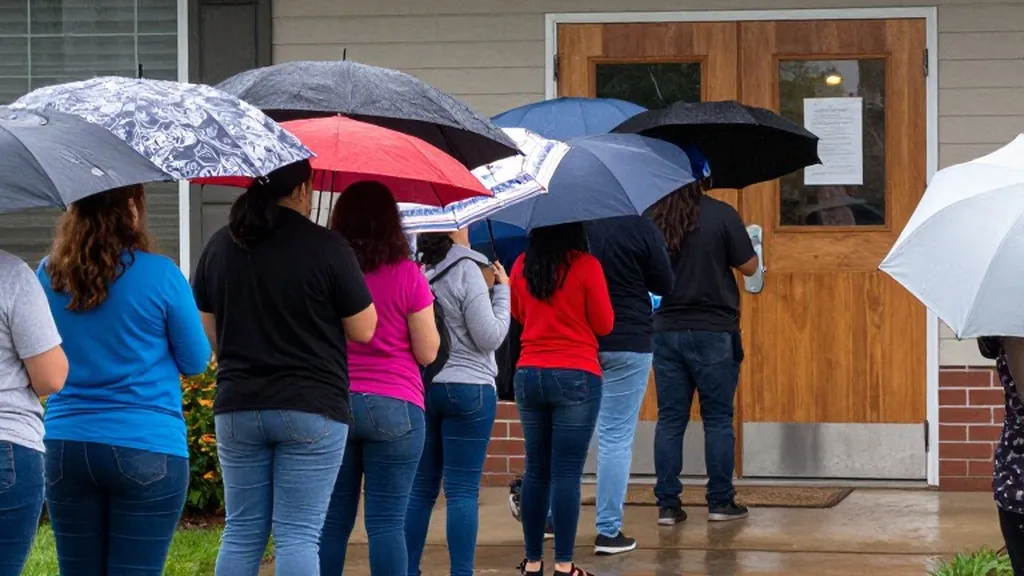
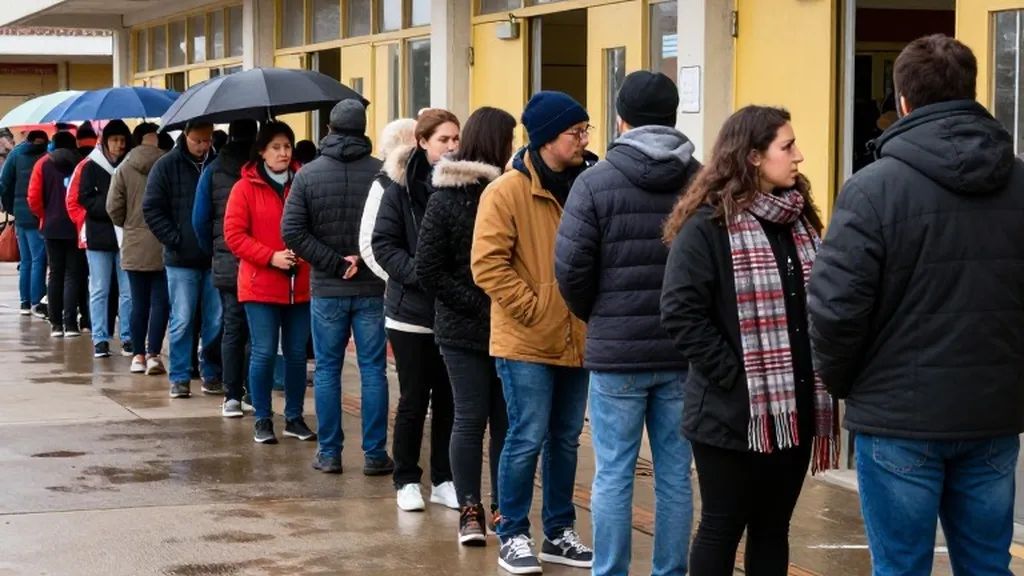
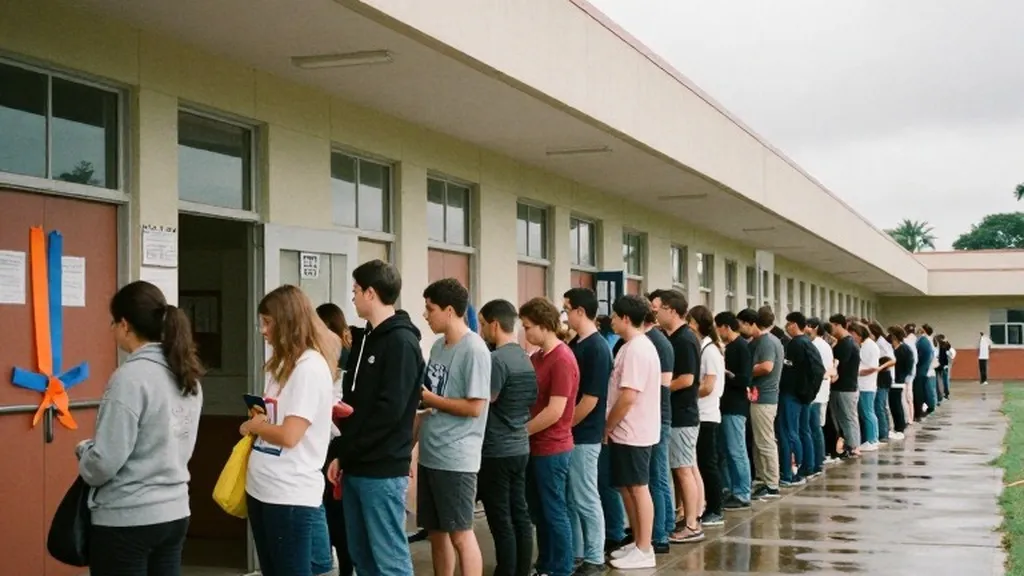
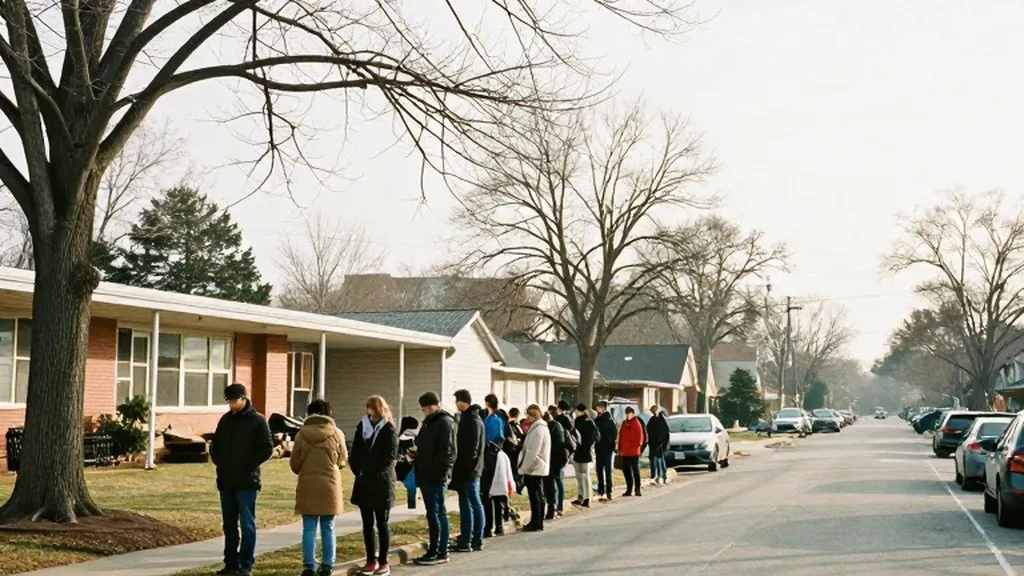
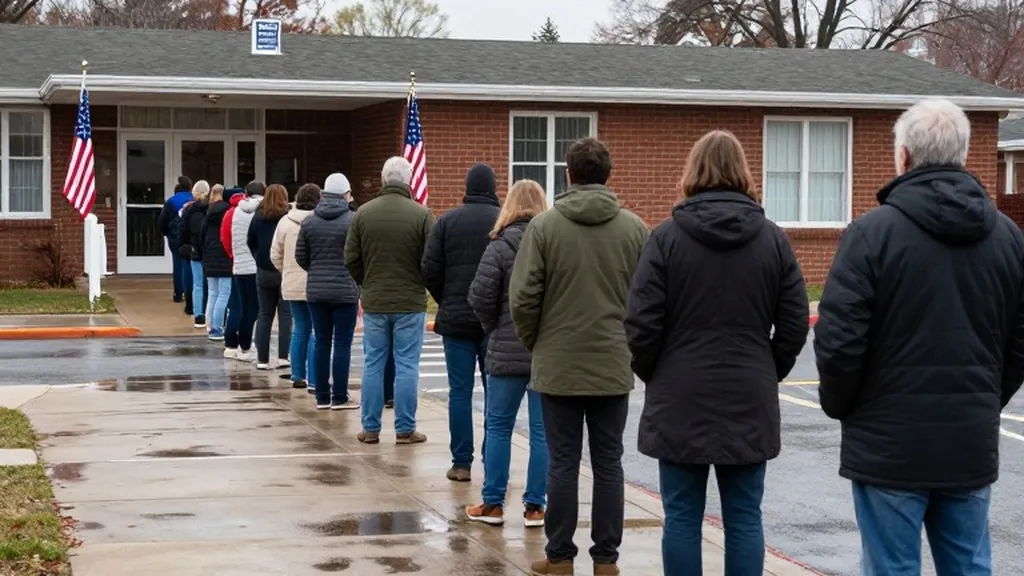
As polling stations open across the nation on Tuesday, November 3, 2026, the legal and logistical framework governing the vote is under intense scrutiny. The Associated Press reports that a federal judge temporarily barred the Trump administration on Monday from executing a plan intended to prevent noncitizen voting. Critics of the executive action argue that it risks disenfranchising eligible voters and infringes upon the traditional authority of states to manage their own elections. This judicial intervention adds a layer of complexity to the day’s proceedings, particularly in states where the administration has been aggressive in its oversight efforts.
Simultaneously, a judge ordered the administration on Monday to stop demanding that California election officials segregate ballots cast by individuals on its lists of suspected noncitizens. This specific order in California highlights the ongoing tension between federal enforcement mechanisms and state-level election administration. The administration has continued to make claims about voting fraud, including the assertion that noncitizens vote in large numbers. These assertions have fueled legal battles in multiple jurisdictions, including Alaska, where the Trump administration filed a lawsuit related to the certification of the Senate result.
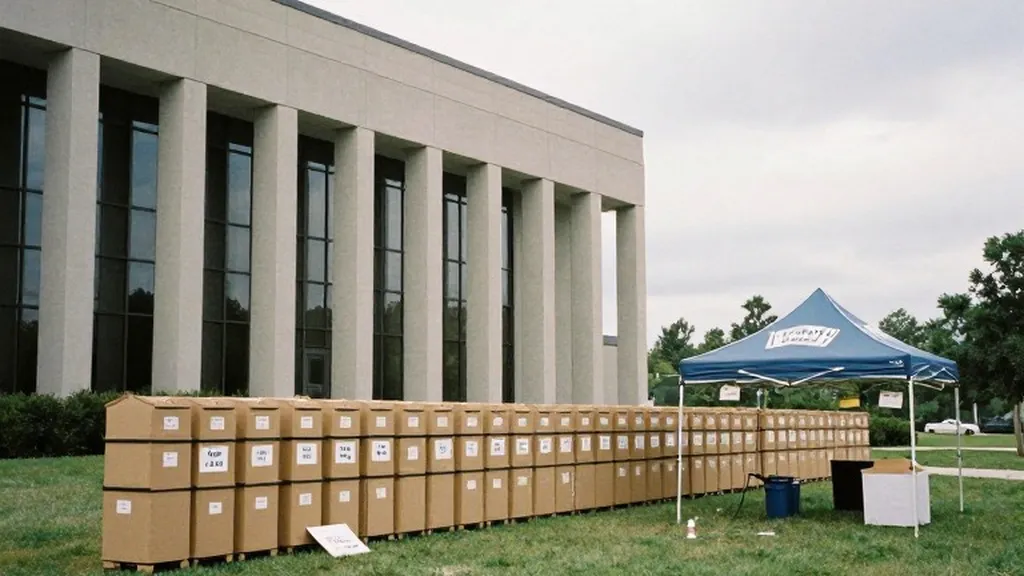
The U.S. Postal Service has implemented significant measures to ensure that mail-in ballots are counted in a timely manner. Reuters notes that the agency added hours, staff, and special lines to facilitate the processing of these ballots. This logistical push is critical in states where a large portion of the electorate votes by mail, such as California, Colorado, and Oregon. The efficiency of this operation will be a key factor in determining how quickly results can be tabulated and reported to the public as polls close in the evening.
Democrats have expressed concern that the legal actions and threats from the Justice Department to prosecute local election officials could lead to interference and intimidation. The AP indicates that these fears are part of a broader strategy to influence the election environment. Republicans, on the other hand, have been bracing for the possibility of losing control of the House while fighting to retain their majority in the Senate. The AP notes that one or two seats could tip either chamber, making every procedural detail and legal ruling a matter of intense strategic importance for both parties.
The mood in the country remains tense, with the AP describing the election as a referendum on President Trump's second term. Voters are reported to be struggling with high prices and are angry over an unpopular war with Iran. Polling from AP-NORC shows that 35% of U.S. Adults approve of Trump's job performance, while only 25% approve of his handling of the economy. About seven in 10 say the country is heading in the wrong direction, with most blaming the president for high prices. This economic anxiety is a central theme in the campaigns across the various battleground states.
In the Senate, 35 seats are up for election, including 33 regular races and two special elections. Republicans currently hold 53 seats, while Democrats hold 45, plus two independents who caucus with the Democrats. Democrats need a net gain of four seats to secure a majority, whereas Republicans can afford to lose only two. Key races are unfolding in states such as Alaska, Florida, Georgia, Iowa, Kansas, Maine, Michigan, Montana, Nebraska, New Hampshire, North Carolina, Ohio, and Texas. The AP notes that in Alaska, the legal challenges related to certification have added a specific dimension of uncertainty to the race for Sen. Dan Sullivan's seat.
The governor's races also present a significant battleground, with 36 offices on the ballot. Heading into the election, Republicans hold 26 governorships and Democrats hold 24. Democrats would need a net gain of two governorships to achieve a nationwide majority, a feat they have not accomplished since 2010. Named matchups in Georgia, Nevada, and Ohio are drawing national attention. In Ohio, Republican Vivek Ramaswamy is facing Democrat Amy Acton, a race that has seen backlash over campaign advertising. The AP identifies Texas, Florida, and Iowa as competitive governor races where the outcome could shift the balance of power in state legislatures.
Wall Street is watching the election closely, with Reuters noting that the results could add to investor concerns regarding AI spending and debt ceiling negotiations. The stability of Congress is seen as a key indicator for economic policy in the coming years. The 2026 elections are likely to be the most expensive in history, with Republican committees outraising and outspending their Democratic counterparts at the committee level. However, at the candidate level, Democrats outraised their opponents. This financial disparity reflects the different strategies employed by the two parties in their efforts to secure victory.
Voters across the country are casting their ballots in a variety of ways, with more than 57 million people having already voted as of Monday. This early vote has surpassed the totals from four years ago in many closely watched states. The AP notes that Trump held dozens of rallies, ending his schedule in Salina, Kansas, where he urged supporters to pretend he was on the ballot. His campaign included stops in Mississippi, South Carolina, and Texas, aiming to energize the base while many Republican candidates kept some distance from the president's more controversial statements.
The legal and administrative challenges of the day underscore the high stakes of the midterm election. As polls close in states like New York, which remain open until 9 p.m., and in states like California, which is largely a mail-in vote, the focus will shift to the counting process. The U.S. Postal Service's added measures and the court orders regarding noncitizen ballots will be closely monitored by election officials and legal teams. The outcome of these procedural battles may influence the final tally, but for now, the focus remains on the voters who are deciding the composition of Congress and the balance of power in the governor's mansions across the nation.