Senate control hangs on 13 battlegrounds as polls open
Democrats need a four-seat net gain to seize the chamber, while Republicans can lose only two seats to maintain their narrow majority in the 2026 midterms.
By Noor Phillips ·
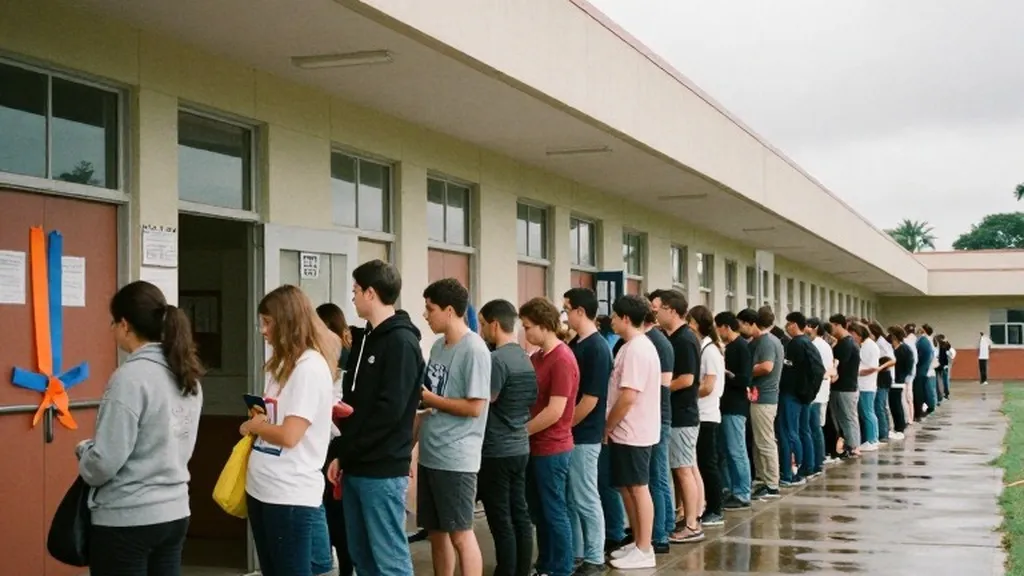
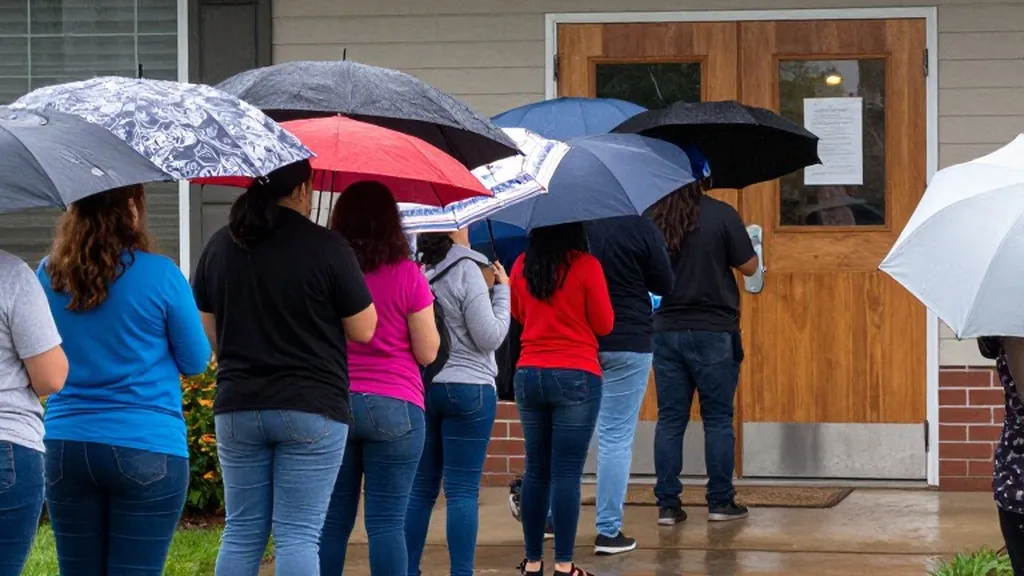
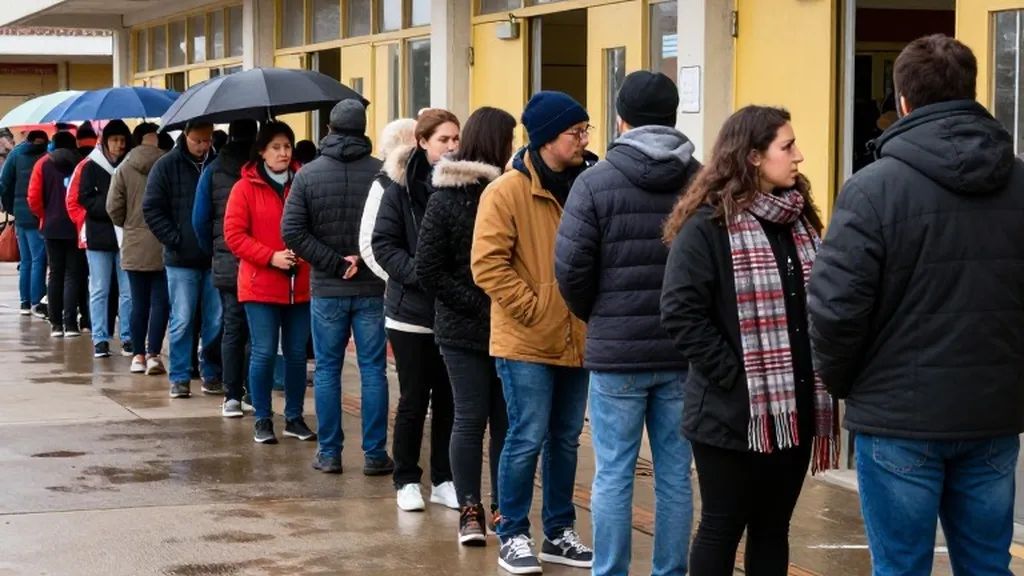
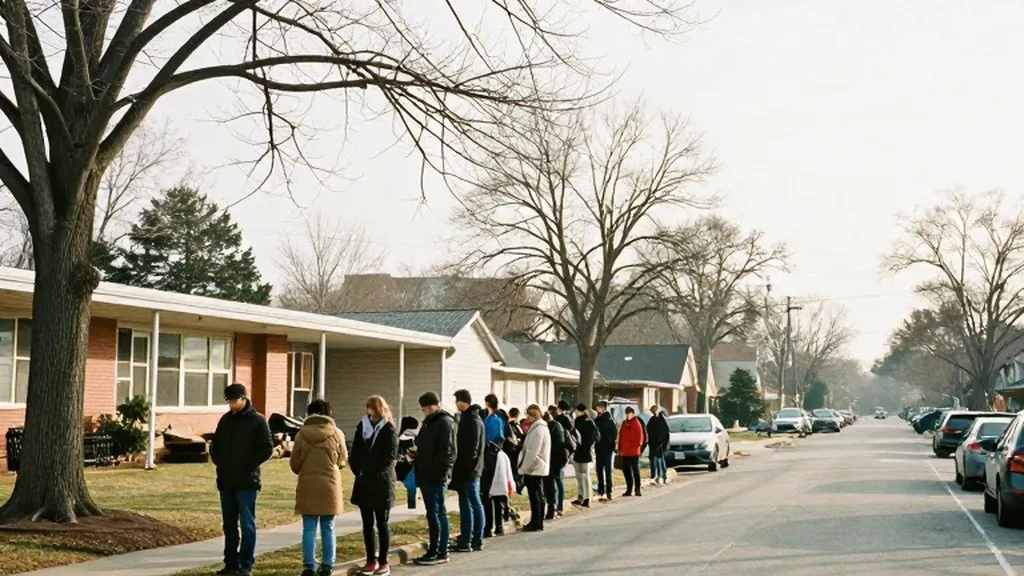
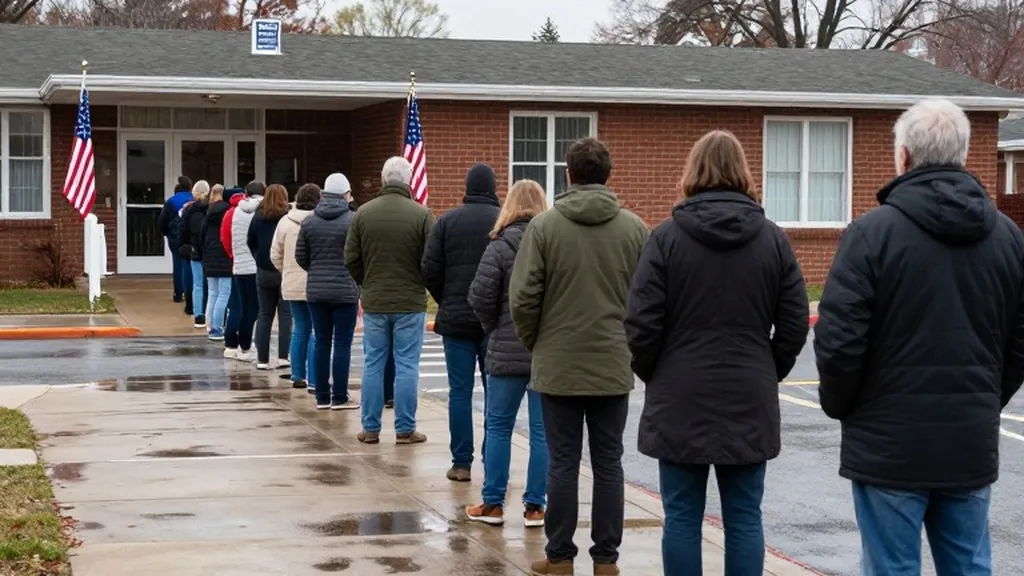
Voters across the United States began casting ballots on Tuesday, November 3, 2026, in an election that will determine which party controls the U.S. Senate for the next two years of President Donald Trump's second term. 35 of the 100 Senate seats are up for election, including 33 regular seats and two special elections for the remainder of the terms held by Marco Rubio and JD Vance. The outcome of these races will decide whether Republicans retain their current 53-seat majority or if Democrats, who currently hold 45 seats plus two independents who caucus with them, can flip the chamber.
The mathematical stakes for each party are precise and unforgiving. Democrats require a net gain of four seats to achieve a simple majority. Republicans, conversely, can lose no more than two seats to maintain control. This high bar for Democrats makes the election a defensive battle for Republicans, who are bracing for potential losses in the House while fighting to keep the Senate. One or two seats could tip the balance of power in either chamber, making the margin of victory in key states critical.
Thirteen Senate races are considered battlegrounds. These races span a wide geographic and political spectrum. In Maine, Senator Susan Collins, a Republican, faces Democratic former state Senate President Troy Jackson. Economic strain and tariffs have made this traditionally Republican state competitive, and all four major ratings groups currently classify the race as a toss-up.
In Georgia, Senator Jon Ossoff, a Democrat, is defending his seat against Republican Representative Mike Collins. The state voted for Trump by 2.2 points in 2024, and ratings suggest the race leans or is likely to go Democratic. This contrasts with the situation in Alaska, where Republican Senator Dan Sullivan faces a challenge in a state Trump won by 13.1 points. Ratings for Alaska range from toss-up to lean Democratic, adding uncertainty to a state where the Trump administration has already filed a lawsuit regarding the certification of the Senate result.
Midwestern states are playing a central role in the fight for Senate control. In Michigan, an open seat left by retiring Democratic Senator Gary Peters is being contested by Republican former Representative Mike Rogers and Democratic Abdul El-Sayed. El-Sayed's former primary opponent, Haley Stevens, endorsed Rogers on Sunday, signaling a shift in the local political landscape. The state voted for Trump by 1.4 points in 2024, and the race is rated as toss-up to lean Democratic by various analysts.
Kansas, a state that has historically been reliable for Republicans, has emerged as a focal point for the election. The AP highlights that Kansas is central to the fight for Senate control, with ratings ranging from toss-up to lean Republican. The state voted for Trump by 16.2 points in 2024. Meanwhile, in Iowa, an open seat following the retirement of Republican Senator Joni Ernst is also seen as competitive. The state voted for Trump by 13.2 points, and ratings suggest the race is a toss-up or tilts toward the Republicans.
Other battlegrounds include North Carolina, where Democratic former Governor Roy Cooper faces former Republican National Committee chair Michael Whatley for the seat vacated by retiring Senator Thom Tillis. Tillis decided to step aside after clashing with President Trump. The state voted for Trump by 3.3 points in 2024. In Ohio, a special election for the remainder of Senator JD Vance's term pits Democratic former Senator Sherrod Brown against Republican Senator Jon Husted. The state voted for Trump by 11.2 points, and the race is viewed as a key indicator of Republican strength in the Midwest.
The mood among voters is defined by economic concerns and dissatisfaction with the current administration's direction. The Associated Press describes the election as a referendum on Trump's second term, with voters struggling with high prices and angry over an unpopular war with Iran. AP-NORC polling indicates that 35% of U.S. Adults approve of Trump's job performance, while only 25% approve of his handling of the economy. About seven in ten Americans say the country is heading in the wrong direction, with most blaming the president for rising costs.
Campaign dynamics have been shaped by significant spending and high-profile endorsements. The 2026 elections are likely to be the most expensive in history, with Republican committees out-raising and out-spending Democratic committees, aided by Trump-affiliated groups and Elon Musk. However, at the candidate level, Democrats have out-raised their opponents. The AP analysis of AdImpact data shows that 88.1% of Republican general election TV ad spending went to states and districts that Trump won in 2024, including more than $850 million in areas where he won by 10 points or more.
Political leaders on both sides are urging their base to vote. RNC Chairman Joe Gruters stated, "Everything depends on turnout. If we turn out our voters, we win, and that's what we've been planning for." In contrast, DCCC Chair Representative Suzan DelBene said, "The American people are angry. They want change." The AP notes that Democrats are cautiously optimistic, while Republicans are focused on holding the Senate even as they brace for potential losses in the House, where all 435 seats are also up for grabs.
Election administration has seen its share of legal battles, with federal judges temporarily barring the Trump administration from implementing plans to prevent noncitizen voting in several states. A judge ordered the administration to stop demanding that California election officials segregate ballots cast by people on lists of suspected noncitizens. As polls open, the U.S. Postal Service has added staff and hours to ensure mail ballots are counted on time, reflecting the scale of the early vote, which surpassed four years ago in many closely watched states.