Congressional control determines the pace of oversight in Trump's final term
Voters decide today whether Democrats gain the power to launch investigations or if Republicans maintain their hold on the legislative agenda.
By Fatou Kim ·
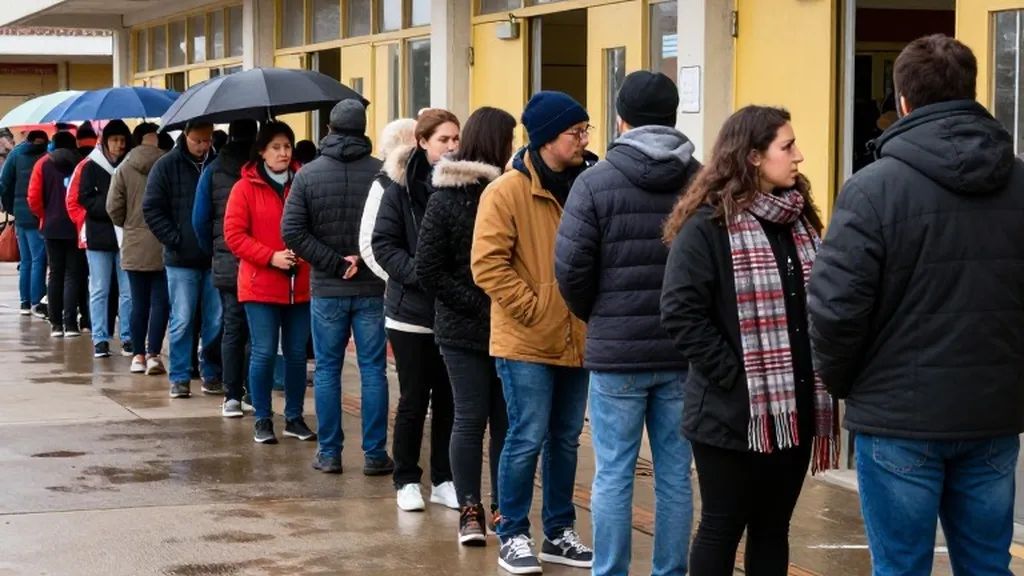
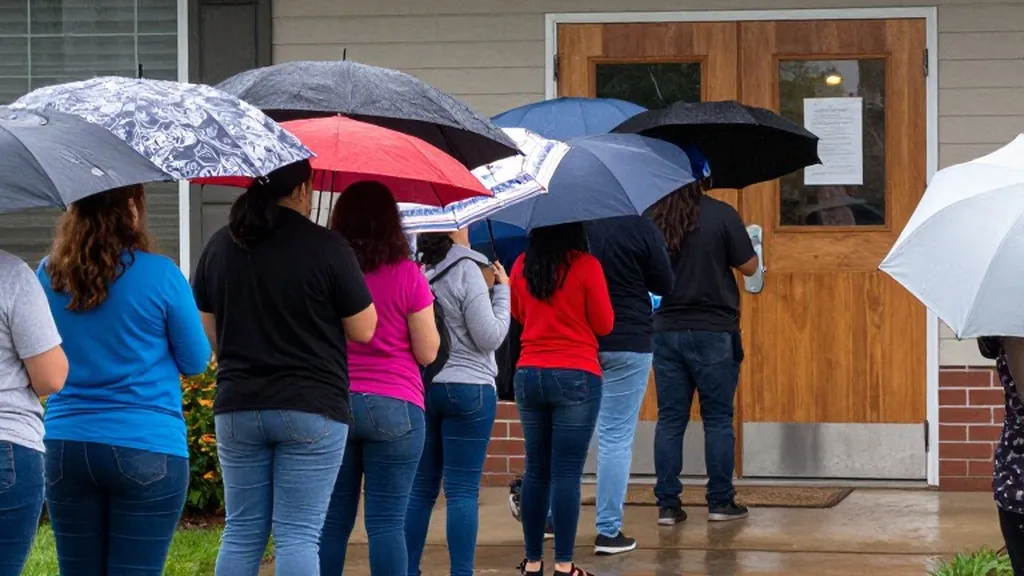
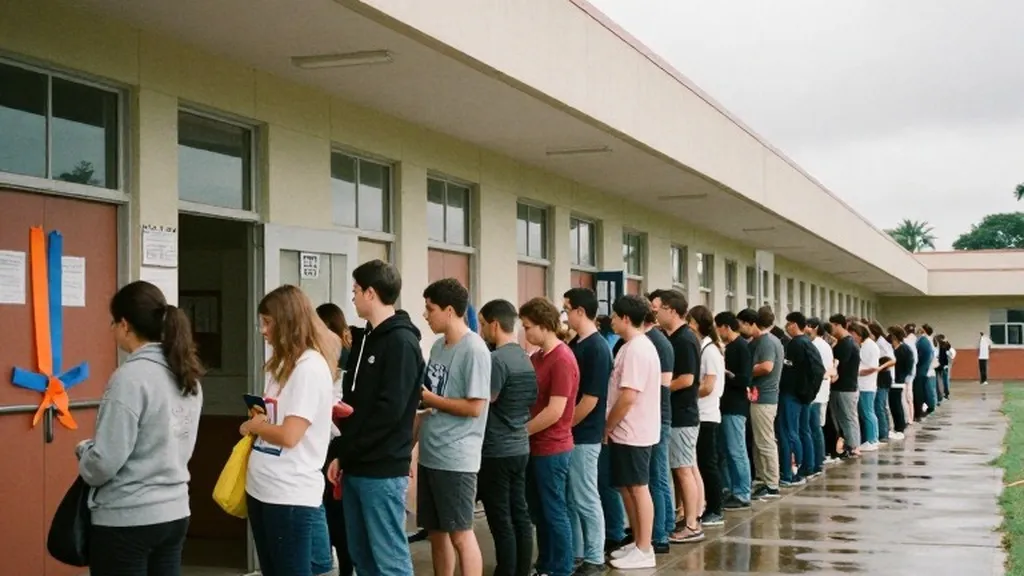
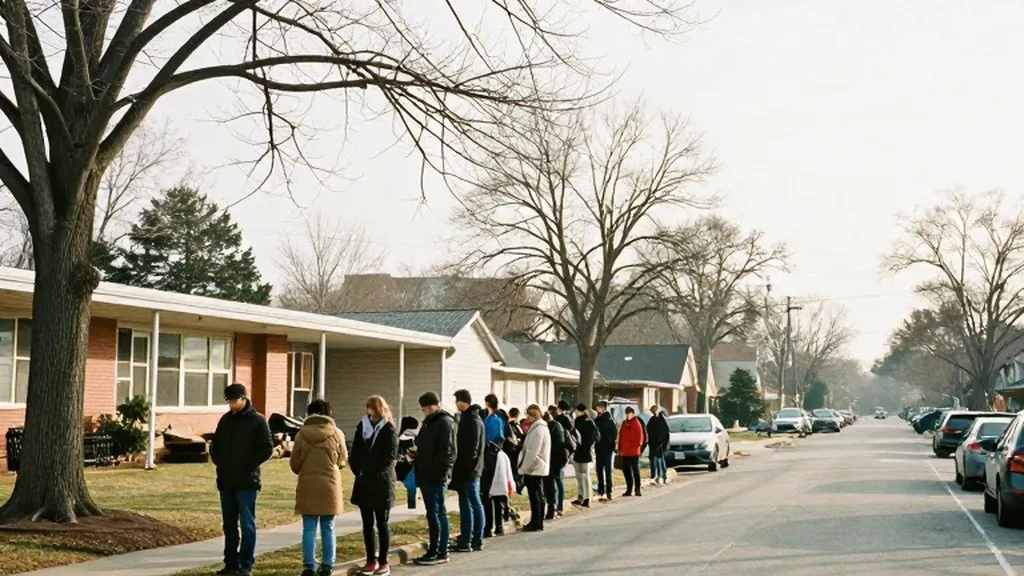
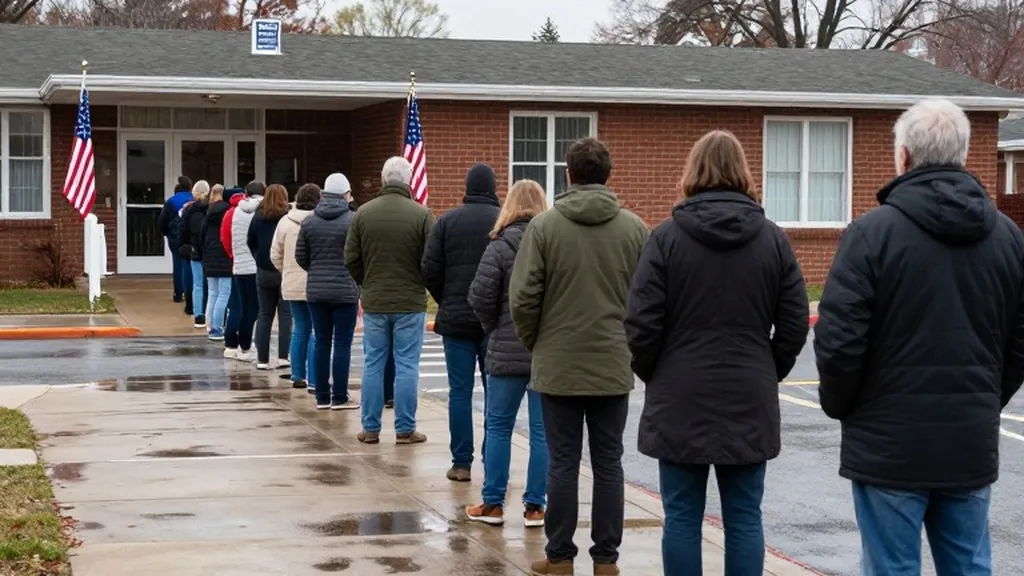
American voters are heading to the polls on Tuesday to decide who will control the two chambers of Congress for the final two years of President Donald Trump's second term. The outcome will shape the legislative landscape, determining whether the party in opposition can lead investigations or if the president's party can advance its policy priorities without significant legislative hurdles. All 435 House seats are up for grabs, along with 35 Senate seats, in a midterm election that serves as a direct referendum on the current administration's performance.
The election is being framed by voters as a vote on the cost of living and the unpopular war with Iran. Polling from AP-NORC indicates that 35 percent of U.S. Adults approve of the president's job performance, while about 7 in 10 say the country is heading in the wrong direction. This sentiment has driven record early voting, with more than 57 million people having already cast their ballots as of Monday, surpassing the early vote of four years ago in many closely watched states.
In the House, Democrats need a net gain of three districts to secure a majority, while Republicans can afford to lose no more than two seats. Ballotpedia identifies 46 battleground districts, with 25 currently held by Democrats and 21 by Republicans. The shifting demographics of these districts are a key focus, as 21 Democratic-held districts voted for Trump in 2024, while nine Republican-held districts voted for Kamala Harris. Republicans are bracing for a potential loss of the chamber, while Democrats remain cautiously optimistic about their chances of flipping control.
The Senate race involves 35 seats, with Democrats needing a net gain of four seats to take control. Republicans hold 53 seats and can lose only two to maintain their majority. Thirteen Senate races are considered competitive, including key contests in Georgia, Michigan, and North Carolina. In Georgia, Senator Jon Ossoff faces Republican Representative Mike Collins in a state that Trump won by 2.2 points in 2024. In Michigan, Republican former Representative Mike Rogers is running against Democrat Abdul El-Sayed in an open seat following the retirement of Senator Gary Peters.
Control of either chamber would significantly alter the dynamics of the final two years of the Trump presidency. If Democrats win the House, House Democratic Leader Hakeem Jeffries, who would be the first Black speaker, has outlined a 100-day agenda focused on the cost of living and oversight. This agenda would likely lead to an increase in investigations and the possibility of impeachment proceedings. Conversely, a Republican hold on both chambers would provide the administration with a smoother path for legislation and executive actions, though they would still face the traditional midterm headwinds.
The governor races also carry significant weight, with 36 governorships on the ballot. Republicans currently hold 26 governor's offices, and Democrats are hoping to hold a majority for the first time in two decades. Key matchups include Georgia, where Republican health care executive Rick Jackson faces former Atlanta Mayor Keisha Lance Bottoms, and Ohio, where Vivek Ramaswamy runs against Amy Acton. These races could determine the balance of power in the executive branch at the state level, influencing how federal policies are implemented across the country.
Money is playing a central role in the 2026 elections, which are expected to be the most expensive in history. Republican committees have outraised and outspent Democratic committees, helped by Trump-affiliated groups and Elon Musk. However, at the candidate level, Democrats have outraised their opponents. The Associated Press notes that 88.1 percent of Republican general election TV ad spending went to states and districts that Trump won in 2024, indicating a strategy to defend their base while attempting to expand their reach in competitive areas.
Voter sentiment is divided, with many independents feeling the strain of high prices. Mark Barker of Palm Beach Gardens, Florida, expressed support for the president, saying he thinks he is doing an awesome job. In contrast, James Moore, a librarian in Raleigh, North Carolina, highlighted the financial pressures, noting that he is paying more for taxes, healthcare, and everything else. These personal narratives reflect the broader economic anxieties that are driving voter turnout and shaping the final days of the campaign.
Legal challenges have also become part of the election narrative, with the Trump administration suing in Alaska and California regarding voting procedures. A federal judge temporarily barred the administration from carrying out a plan to prevent noncitizen voting, a move that critics say risks disenfranchising eligible voters. These legal battles add a layer of complexity to the election, as both parties navigate the intersection of state authority and federal oversight in determining the final results.
Beyond the immediate legislative control, the election results will have long-term implications for the 2028 presidential cycle. A strong Democratic night would boost potential candidates like Gavin Newsom, JB Pritzker, and Pete Buttigieg, while a Republican victory could complicate the path for Vice President JD Vance. The outcome of this midterm will set the stage for the next presidential race, as both parties assess their strengths and weaknesses in a highly competitive political environment.
Wall Street is also watching the results closely, with Reuters noting that the outcome could add to investor concerns about AI spending and debt ceiling negotiations. The stability of Congress will influence market confidence, as investors seek clarity on the direction of fiscal policy and regulatory frameworks. As polls close across the country, the focus turns to the count, where every vote will be scrutinized in the race to define the next two years of American governance.