Governor races split evenly as 19 open seats reshape state power
With 18 governorships held by each party and nearly half the races lacking an incumbent, voters in nine battleground states will decide the next chapter of state executive control.
By Noor Phillips ·
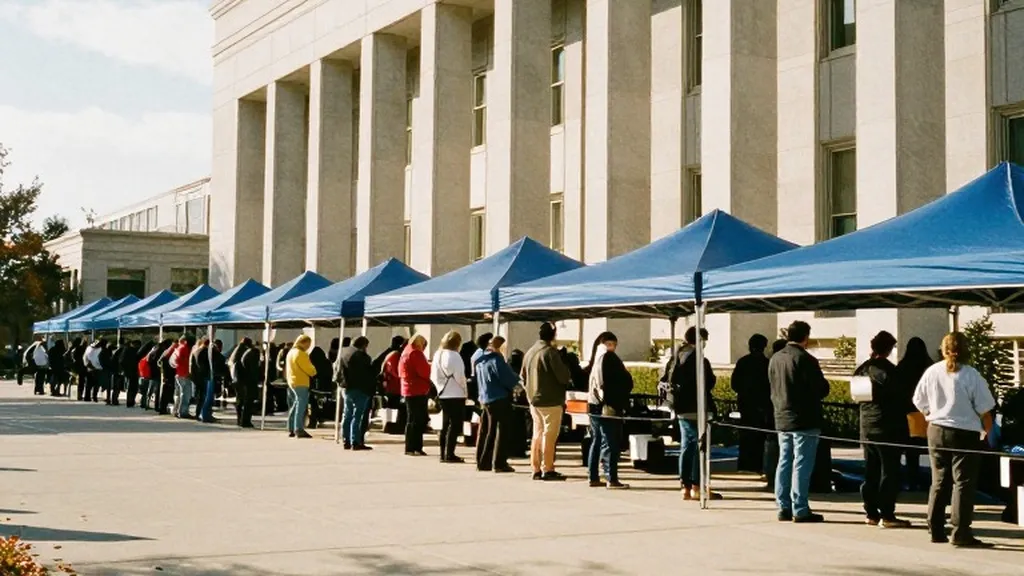
Voters across the nation are casting ballots in 36 governor races on Tuesday, a contest that begins with an even partisan split. Republicans currently hold 18 of the governorships on the ballot, and Democrats hold the other 18. This numerical parity sets the stage for a potential shift in state leadership that could alter the national balance of power, as Democrats need a net gain of two governorships to achieve a nationwide majority. Republicans have held this majority since 2010, making this election a critical opportunity for the opposition to regain a foothold in state executive offices.
The landscape of these races is significantly altered by the absence of incumbent officeholders. Nineteen of the 36 races feature no sitting governor on the ballot, a high number driven by term limits and strategic decisions by veteran leaders. Fifteen governors are term-limited and cannot seek reelection, while three others chose to step aside. Iowa Governor Kim Reynolds, Minnesota Governor Tim Walz, and Wisconsin Governor Tony Evers all opted not to run for another term. In Rhode Island, Governor Daniel McKee lost his primary challenge, adding to the number of open seats. These vacancies create fluid competitive environments where party loyalty and local issues often outweigh the influence of national brand recognition.
Nine states are identified as battlegrounds where the outcome remains uncertain: Alaska, Arizona, Georgia, Iowa, Kansas, Michigan, Nevada, Ohio, and Wisconsin. In these races, the margin of victory could be decided by narrow margins of voter turnout and local economic concerns. The Associated Press notes that the election serves as a referendum on President Donald Trump's second term, with voters expressing frustration over high prices and an unpopular war with Iran. This national mood is filtering down to state levels, where candidates are tailoring their messages to address cost-of-living crises and regional policy disputes.
Several specific matchups have drawn national attention for their potential to influence the broader political map. In Georgia, Republican health care executive Rick Jackson is competing against Democratic former Atlanta Mayor Keisha Lance Bottoms to succeed outgoing Governor Brian Kemp. The race in Nevada features incumbent Republican Governor Joe Lombardo against Democratic Attorney General Aaron Ford. In Ohio, Vivek Ramaswamy is running for the Republican nomination against Democrat Amy Acton, a contest marked by intense advertising and local media scrutiny. These races represent key tests for both parties as they look to consolidate their bases in states that swung in different directions during the 2024 presidential election.
Democrats are defending five governorships in states that President Trump won in 2024, including Arizona, Kansas, Michigan, Pennsylvania, and Wisconsin. These races are particularly high-stakes for the party, as holding onto these offices would signal resilience in areas that lean Republican at the presidential level. Conversely, Republicans are defending two governorships in states that former Vice President Kamala Harris won: New Hampshire and Vermont. The outcome in these defensive races will determine if either party can expand its territory or maintain its current geographic footprint in state capitols.
The financial dynamics of these campaigns reflect the broader trends in the 2026 midterm elections, which are likely to be the most expensive in history. Republican committees have outraised and outspent Democratic committees, bolstered by support from Trump-affiliated groups and prominent donors. However, at the candidate level, Democrats have managed to outraise their opponents in many of the governor races. This spending disparity highlights the complex funding landscape that candidates navigate as they seek to outmessage their rivals in the final days before polls close.
Election administration has also been a focal point, with legal challenges affecting how ballots are processed in certain states. A federal judge temporarily barred the Trump administration from implementing a plan to prevent noncitizen voting, a move that critics argued could disenfranchise eligible voters. Additionally, a judge ordered the administration to stop demanding that California election officials segregate ballots cast by individuals on lists of suspected noncitizens. These legal developments have added a layer of uncertainty to the counting process, prompting election officials to prepare for potential disputes over mail ballots and in-person votes.
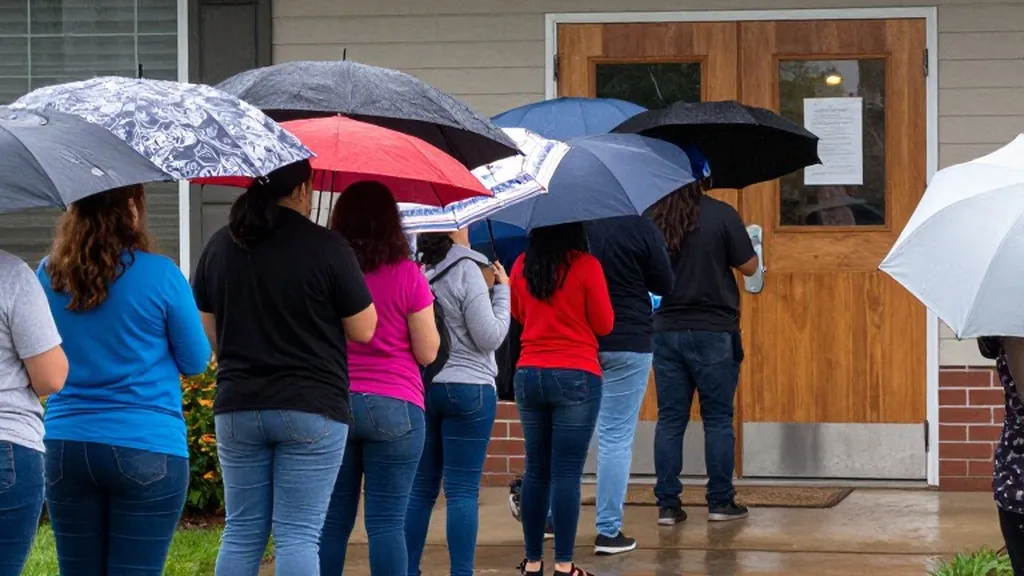
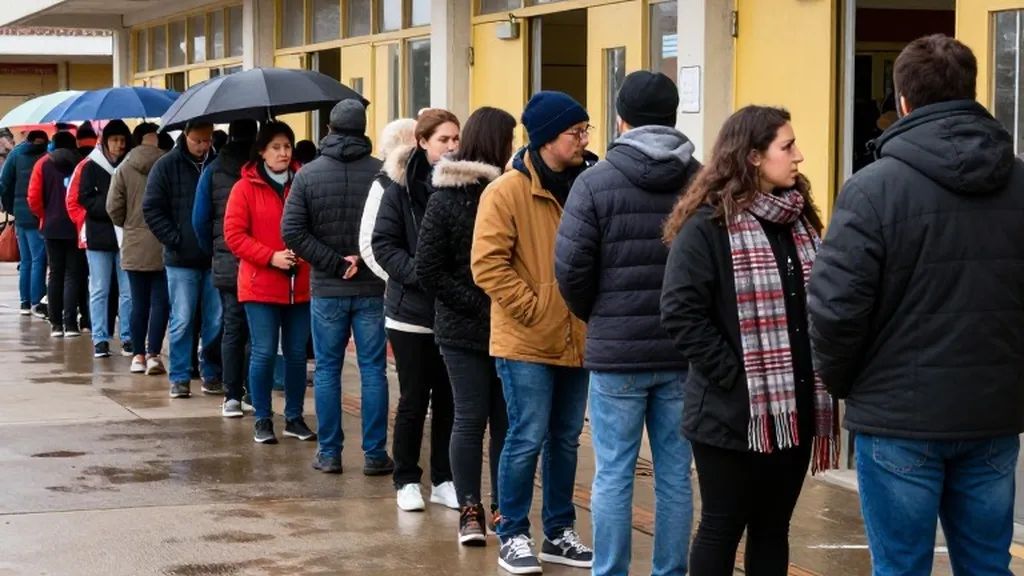
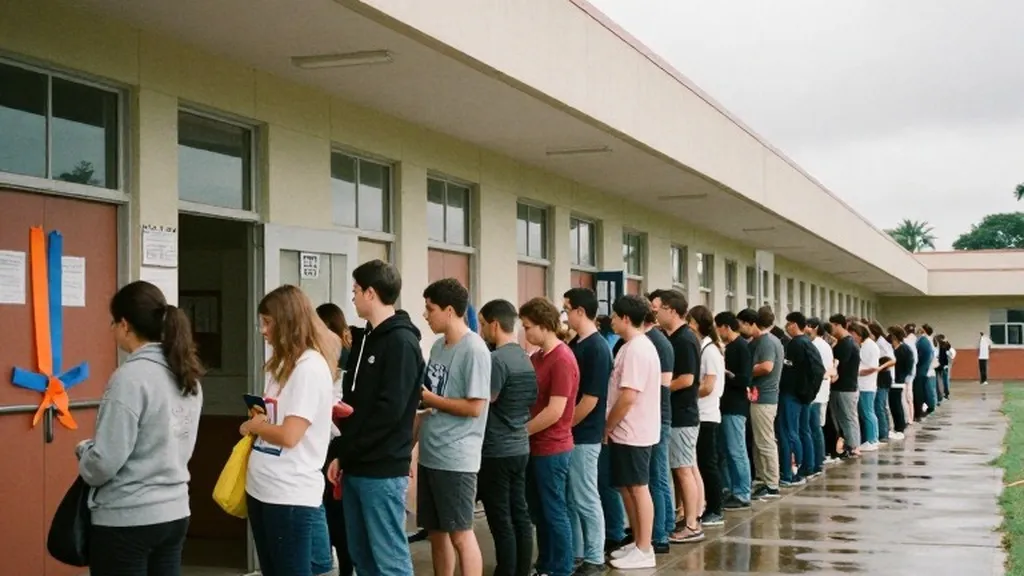
The mood among voters is one of heightened engagement, with more than 57 million people having already cast early votes, surpassing the totals from four years ago in many closely watched states. This early turnout surge suggests that voters are eager to have a say in the direction of their state governments. In Palm Beach Gardens, Florida, voter Mark Barker expressed confidence in the current administration's performance, while in Raleigh, North Carolina, librarian James Moore cited rising taxes and healthcare costs as primary motivators for his vote. These individual perspectives underscore the diverse set of concerns driving voter behavior across the country.
Republicans are bracing for the possibility of losing the House of Representatives while fighting to hold the Senate, a scenario that could leave them in a precarious position for the remainder of the presidential term. Democrats, meanwhile, are described as cautiously optimistic about their chances to gain control of at least one chamber of Congress. If Democrats win, investigations and oversight proceedings are likely to become more prominent, with House Democratic Leader Hakeem Jeffries potentially becoming the first Black speaker of the House. His outlined agenda focuses on the cost of living and government oversight, signaling a shift in legislative priorities if the party gains power.
The results of these 36 governor races will not only determine who leads the states but also provide a snapshot of the national political mood. With polls open and millions of ballots yet to be counted, the final tally will reveal whether voters are leaning toward continuity or change. The even split of current holdings, combined with the high number of open seats, makes this one of the most competitive cycles in recent memory. As the day progresses, the attention of the nation will remain fixed on the nine battleground states where the outcome of each race could tip the balance of state executive power.