Voters decide fate of Congress and 36 governorships
With 57 million ballots cast, the election determines control of the Senate and shifts in state leadership.
By Olivia Miller ·

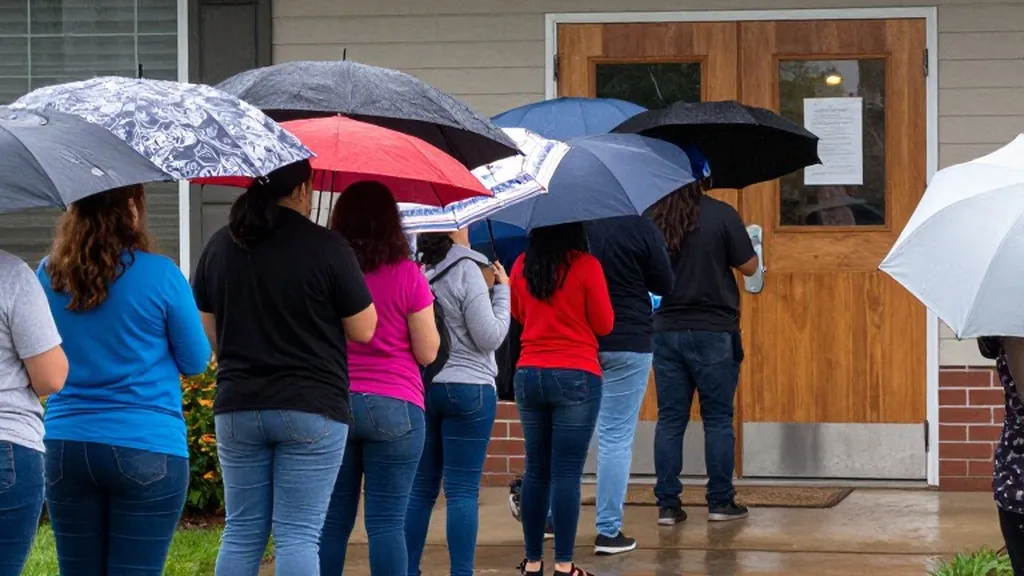
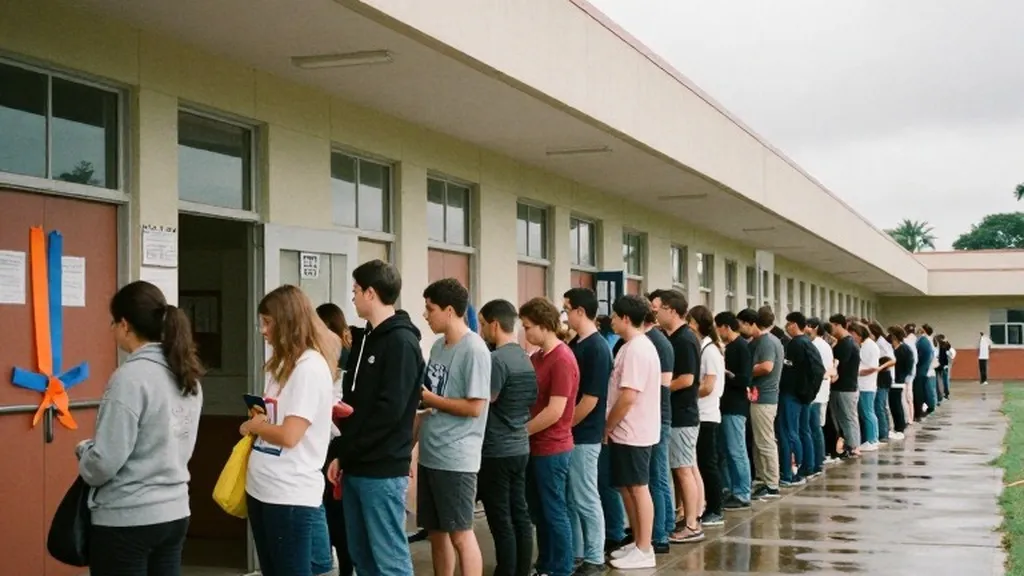
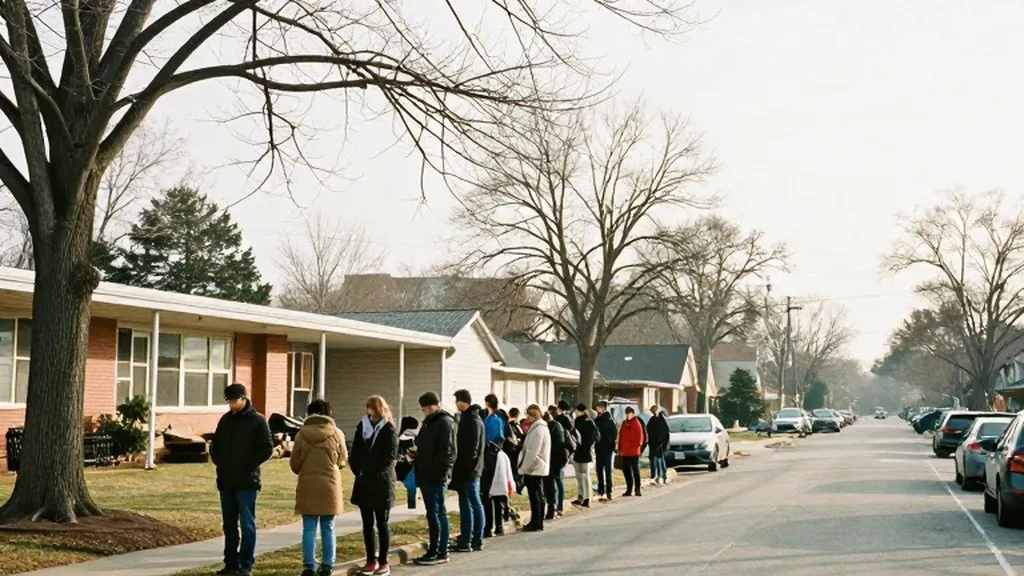
More than 57 million Americans had cast their ballots by Monday, setting the stage for Tuesday's general election that will determine control of the federal government for the final two years of President Donald Trump's second term. The Associated Press characterizes the vote as a referendum on the president's performance, citing voter frustration over high prices and the conflict with Iran. Early voting totals in many closely watched states have already surpassed figures from the 2022 cycle.
The United States Senate is deciding the fate of 35 of its 100 seats. This count includes 33 regular races and two special elections to complete the terms vacated by Marco Rubio and JD Vance. Republicans currently occupy 53 seats, while Democrats hold 45, joined by two independents who caucus with the minority party. Ballotpedia data indicates that Democrats must win four more seats than Republicans to secure a majority. Republicans can lose only two seats to maintain their current advantage. Eleven senators are stepping down, including four Democrats and seven Republicans. The winners will begin their six-year terms on January 3, 2027.
Thirteen Senate races are considered battlegrounds where the outcome could shift national power. In Maine, Republican Senator Susan Collins faces Democratic former state Senate President Troy Jackson amid economic strain. In Michigan, Democrat Abdul El-Sayed challenges Republican former Representative Mike Rogers for the seat left by retiring Senator Gary Peters. Ohio voters will choose between incumbent Republican Senator Jon Husted and Democratic former Senator Sherrod Brown in a special election. Texas presents a contentious contest between Republican Attorney General Ken Paxton and Democrat James Talarico, a race that intensified after Trump backed Paxton in the primary.
Other critical matchups include Georgia, where incumbent Democrat Jon Ossoff opposes Republican Representative Mike Collins. North Carolina features a contest between Democratic former Governor Roy Cooper and former Republican National Committee chair Michael Whatley. In New Hampshire, Democratic Representative Chris Pappas runs against former Republican Senator John E. Sununu for the seat of retiring Senator Jeanne Shaheen. Kansas remains a central focus for Senate control, while Alaska faces legal complexity after the Trump administration filed a lawsuit regarding the certification of the Senate result. Iowa offers an open seat following the retirement of Senator Joni Ernst, rated as a toss-up or a slight Republican tilt.
Voters in 36 states are also selecting new governors. Republicans hold 26 of these posts, while Democrats control 24. Ballotpedia notes that Democrats need a net gain of two governorships to achieve a nationwide majority, a milestone they have not reached since 2010. Nineteen of these races lack an incumbent on the ballot, driven by term limits or voluntary retirements. The Associated Press identifies Georgia, Nevada, and Ohio as pivotal races for state leadership.
In Georgia, Republican health care executive Rick Jackson runs against Democratic former Atlanta Mayor Keisha Lance Bottoms to succeed Brian Kemp. Nevada voters will choose between Republican Governor Joe Lombardo and Democratic Attorney General Aaron Ford. In Ohio, Republican Vivek Ramaswamy competes against Democrat Amy Acton, a race marked by backlash over an ad featuring Acton's estranged mother. Alaska's governor's race is competitive due to the state's strategic importance. Arizona Democratic Governor Katie Hobbs seeks re-election in a state Trump won in 2024, while Democrats in Wisconsin aim to hold their governorship in a key battleground.
An AP-NORC poll shows that 35% of U.S. adults approve of Trump's job performance, while only 25% approve of his economic handling. About seven in 10 adults say the country is heading in the wrong direction. Republican committees have outspent Democratic counterparts, aided by Trump-affiliated groups and Elon Musk. However, Democrats have outraised their opponents at the candidate level. RNC Chairman Joe Gruters stated that victory depends on turning out voters. DCCC Chair Representative Suzan DelBene countered that the American people are angry and want change.
Mark Barker of Palm Beach Gardens, Florida, said he has followed Trump closely and thinks he is doing an awesome job. James Moore, a 57-year-old librarian in Raleigh, North Carolina, noted that he is paying more in taxes, for health care, and for everything else. These individual sentiments reflect the national debate over the cost of living and the direction of the country.
More Politics · National news · Report a business · Got a Story?